Canggu's Transformation: From Surf Haven to Digital Nomad Epicenter
Canggu is evolving into a hotspot for digital nomads, shifting the landscape of Bali's tourism. This transition is reshaping local businesses and attracting a new wave of international visitors seeking work-life balance in paradise.

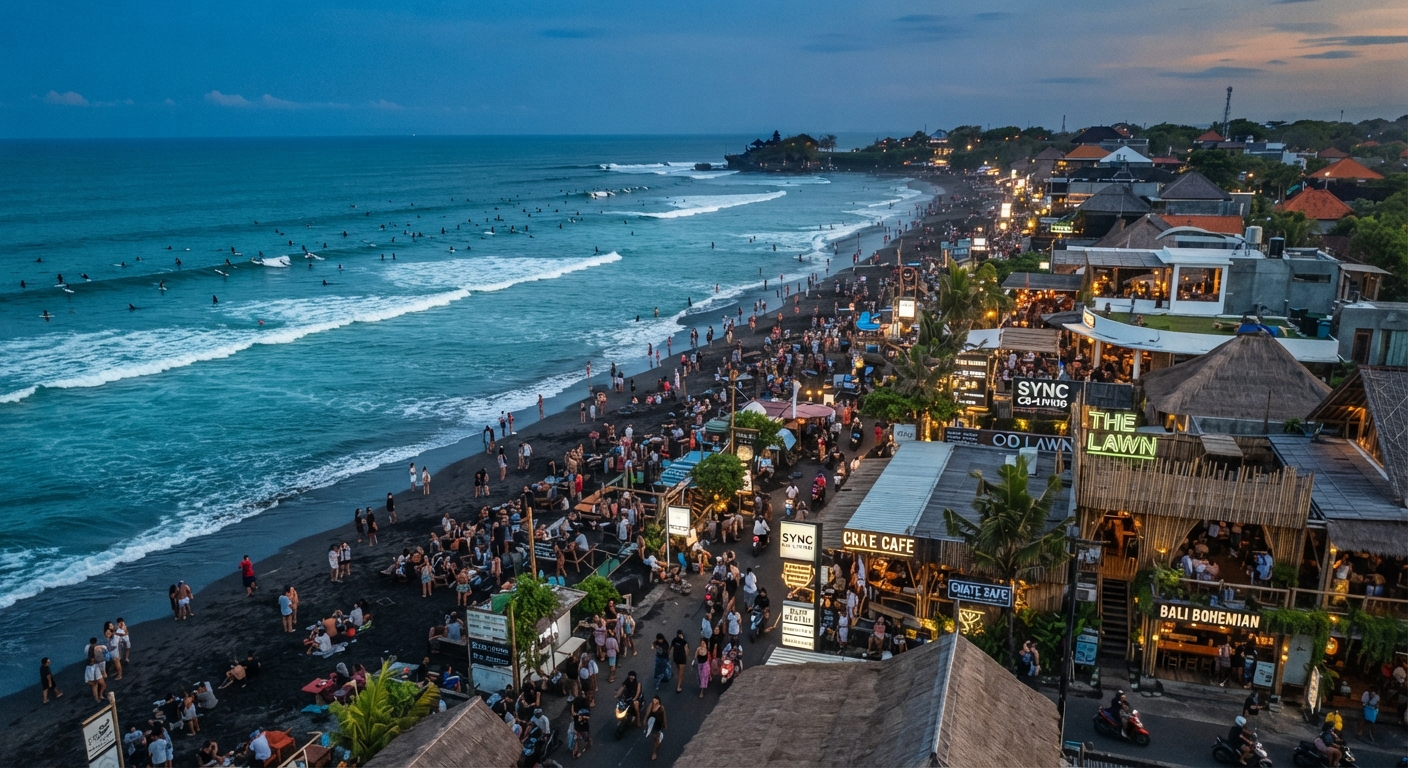
Canggu, once primarily known for its surf breaks and laid-back beach culture, is rapidly transforming into a vibrant hub for digital nomads. This shift is reshaping the local economy and altering the dynamics of Bali's tourism industry, as more international visitors flock to the area seeking both work and leisure.
A recent study by the Bali Tourism Board indicated that the number of digital nomads in Canggu has increased by over 30% in the last two years, driven by the rise of remote work opportunities and the allure of Bali's tropical climate. Popular coworking spaces, such as Dojo Bali and Outpost, report a surge in membership, catering specifically to this demographic.
Many digital nomads are drawn to Canggu not just for its beautiful beaches and surf culture, but for its well-established infrastructure that supports a work-life balance. Fast internet, affordable living, and a strong community of like-minded individuals make it an attractive destination for those looking to blend work with leisure.
Local businesses are adapting to this new trend. Cafes and restaurants are increasingly offering dedicated workspaces and high-speed Wi-Fi. Popular spots like Crate Cafe and The Avocado Factory have modified their layouts to accommodate remote workers, providing a conducive environment for productivity while enjoying Bali’s culinary delights.
This evolution has also sparked a change in the types of accommodations available. Traditional hotels are now competing with boutique co-living and co-working spaces that cater specifically to the needs of digital nomads. Properties like The Farm Hostel and The Hideout boast communal areas designed for networking and collaboration, attracting those who prefer a more social living experience.
However, this rapid transformation is not without its challenges. Long-time residents express concerns about rising living costs and the potential displacement of local culture. The influx of digital nomads has led to increased demand for housing, driving prices up and making it harder for local families to find affordable accommodations.
Local government officials, including the Head of the Canggu Village, are taking note of these changes. Plans are underway to manage the growing population of digital nomads while ensuring that the cultural integrity of the area remains intact. Initiatives include zoning regulations to control the types of businesses that can operate in the area and efforts to promote local heritage and cultural tourism.

Moreover, the rise of digital nomadism presents an opportunity for local artisans and entrepreneurs. Many nomads are eager to engage with the community, often seeking out local crafts and experiences. Workshops in traditional Balinese art, cooking classes, and yoga retreats are becoming increasingly popular among this demographic, fostering a sense of cultural exchange.
The shift towards a digital nomad-friendly environment in Canggu is expected to continue, with projections showing that the area could see further growth in this sector. As the global workforce increasingly embraces remote work, Bali stands to benefit from this trend, solidifying its reputation as a premier destination for tourists seeking a unique blend of work and play.
In conclusion, Canggu's evolution into a digital nomad epicenter is reshaping the landscape of Bali's tourism industry. While this transformation brings economic opportunities, it also requires careful management to preserve the cultural and social fabric of the community. As Canggu navigates this new chapter, it remains to be seen how local stakeholders will balance growth with sustainability.


Read Also from Other Categories

Jakarta's New Policies Spark Controversy Over Bali's Agricultural Future
Recent agricultural policies from Jakarta are causing a stir in Bali, raising concerns among local farmers about their livelihoods. The provincial government is pushing back against regulations perceived as detrimental to traditional practices and food security.
Investors Eye Bali's Eco-Tourism Ventures Amid Rising Global Consciousness
As eco-tourism gains traction worldwide, Bali emerges as a hotspot for investments in sustainable travel ventures. Local entrepreneurs and international investors alike are capitalizing on the island's natural beauty and cultural richness to promote environmental responsibility.

Emergency Preparedness in Bali: A Community Focus Amid Natural Threats
As climate change intensifies weather patterns, Bali's communities are stepping up emergency preparedness measures. Local authorities emphasize the importance of readiness as the island faces increased risks from natural disasters.

Innovative Water Management Strategies Address Bali's Scarcity Crisis
Bali's growing water scarcity has prompted local governments and communities to implement innovative water management strategies. These initiatives aim to balance the needs of agriculture, tourism, and the local population while preserving the island's natural resources.

Uncovering Bali's Hidden Job Market: Opportunities in Eco-Tourism and Beyond
Bali's job landscape is evolving, with eco-tourism and sustainability initiatives creating new employment opportunities. As local businesses adapt to environmental challenges, training programs are emerging to equip workers with the necessary skills.

In Ubud, the Intersection of Art and Technology Sparks New Culture
As artists in Ubud embrace digital platforms, a cultural renaissance unfolds that blends traditional Balinese artistry with modern technology. This shift is redefining not only art consumption but also local community dynamics.
Comments (0)
No comments yet. Be the first!