Governor Koster's New Strategy to Tackle Bali's Air Quality Crisis
Bali's air quality is under scrutiny as new government initiatives aim to tackle pollution. Governor Koster outlines a multi-faceted approach to improve environmental conditions across the island.
As the sun rises over the serene landscapes of Ubud, the air is filled with a mix of fresh morning dew and the faint scent of incense wafting from nearby temples. However, in recent months, a different aroma has been creeping into the air — one of concern. Bali's air quality has been declining, prompting Governor Wayan Koster to outline a comprehensive strategy to combat this pressing issue.
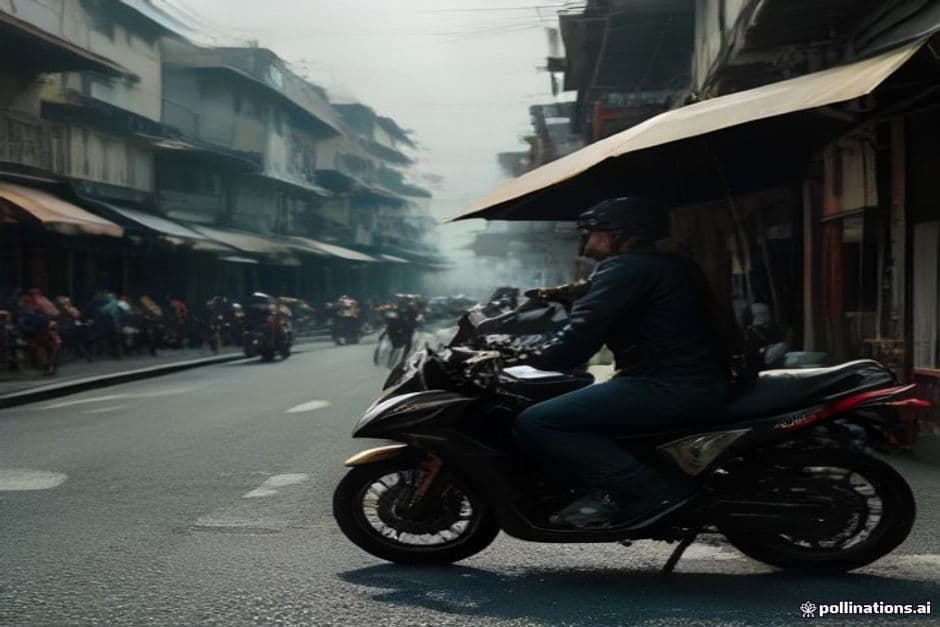
Walking through the bustling streets of Denpasar, the effects of air pollution are evident. Motorbikes zoom past, leaving behind trails of exhaust fumes that mingle with the tropical air. Local residents express their worries; a shopkeeper on Jalan Teuku Umar says, "The smoke from vehicles makes it hard to breathe, especially for children and the elderly. We need action now."
In response to these growing concerns, Governor Koster has announced a series of initiatives aimed at improving air quality across Bali. The strategy includes stricter regulations on vehicle emissions, a push for electric public transportation, and increased green spaces in urban areas. Koster stated, "We must prioritize the health of our people and the sustainability of our environment. This plan will set a precedent for future generations."
One key aspect of the initiative is the introduction of an Environmental Impact Assessment (EIA) for new construction projects. This regulation will ensure that all developments consider their potential effects on air quality. The Governor emphasized, "Every new project must align with our vision for a cleaner, healthier Bali."

Moreover, the government is partnering with local NGOs and environmental groups to promote awareness campaigns about air quality. Workshops and seminars are being held in schools and community centers to educate citizens about the importance of reducing emissions and adopting greener lifestyles. A local environmental activist, Dewi, shares her thoughts: "Education is vital. We need to teach our children how to take care of the environment, not just for today but for the future."
In addition to these regulations, the provincial government is investing in renewable energy projects. Solar panels are being installed on government buildings and schools, with the aim of reducing dependency on fossil fuels. This shift not only addresses air quality but also aligns with global sustainability efforts.
However, challenges remain. As reported by the Bali Environmental Agency, the island's air quality index (AQI) has fluctuated, often exceeding safe levels, particularly in urban areas. Traffic congestion, coupled with the rise of tourism, contributes significantly to this problem. A recent study indicated that vehicular emissions account for nearly 60% of the air pollution in Bali.
In response, the government is also exploring the introduction of a congestion charge in high-traffic areas like Kuta and Seminyak. Governor Koster noted, "This is a bold step, but we must manage our traffic and encourage the use of public transport. The health of our citizens is non-negotiable."
Moreover, ongoing discussions with the Ministry of Environment and Forestry are aiming to enhance policies regarding industrial emissions and waste management, which also play a critical role in air quality. The Governor has called for a collaborative approach, stating, "We need all sectors working together, from tourism to agriculture, to make a real impact."
As Bali moves forward, the community is hopeful. Local resident Made, who runs a small warung in Seminyak, commented, "I want my children to breathe clean air. If the government is serious, we will support these changes." The path to cleaner air may be challenging, but with collective effort and commitment, Bali could become a model for environmental resilience in Indonesia.


Read Also from Other Categories

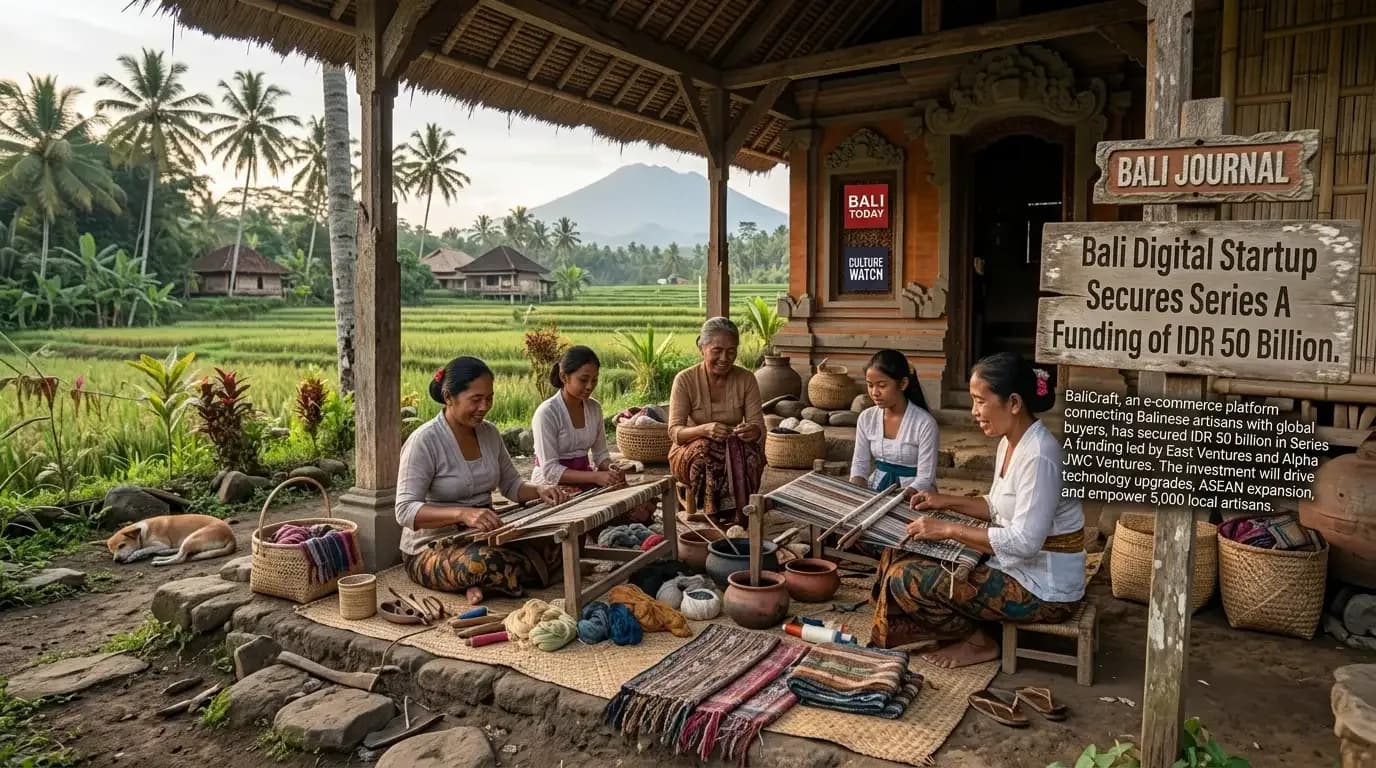
Reviving Bali's Traditional Arts: A Pathway to Sustainable Tourism Growth
Bali is witnessing a resurgence in traditional arts as local artisans embrace innovation to attract tourists. This revival not only supports cultural heritage but also contributes to the island's sustainable tourism goals.
Investors Eye Bali's Eco-Tourism Ventures Amid Rising Global Consciousness
As eco-tourism gains traction worldwide, Bali emerges as a hotspot for investments in sustainable travel ventures. Local entrepreneurs and international investors alike are capitalizing on the island's natural beauty and cultural richness to promote environmental responsibility.

Emergency Preparedness in Bali: A Community Focus Amid Natural Threats
As climate change intensifies weather patterns, Bali's communities are stepping up emergency preparedness measures. Local authorities emphasize the importance of readiness as the island faces increased risks from natural disasters.

Innovative Water Management Strategies Address Bali's Scarcity Crisis
Bali's growing water scarcity has prompted local governments and communities to implement innovative water management strategies. These initiatives aim to balance the needs of agriculture, tourism, and the local population while preserving the island's natural resources.
Skill Development Initiatives Spark Job Growth Across Bali's Industries
Bali is witnessing a surge in job training programs aimed at enhancing workforce skills. Local businesses and educational institutions are collaborating to address employment challenges and meet industry demands.

In Ubud, the Intersection of Art and Technology Sparks New Culture
As artists in Ubud embrace digital platforms, a cultural renaissance unfolds that blends traditional Balinese artistry with modern technology. This shift is redefining not only art consumption but also local community dynamics.
Comments (0)
No comments yet. Be the first!