Job Opportunities in Bali's Agriculture Sector: A Path to Sustainability
Bali's agriculture sector is undergoing a transformation, presenting new job opportunities to locals. With a focus on sustainable practices, training programs are paving the way for a greener future in employment.
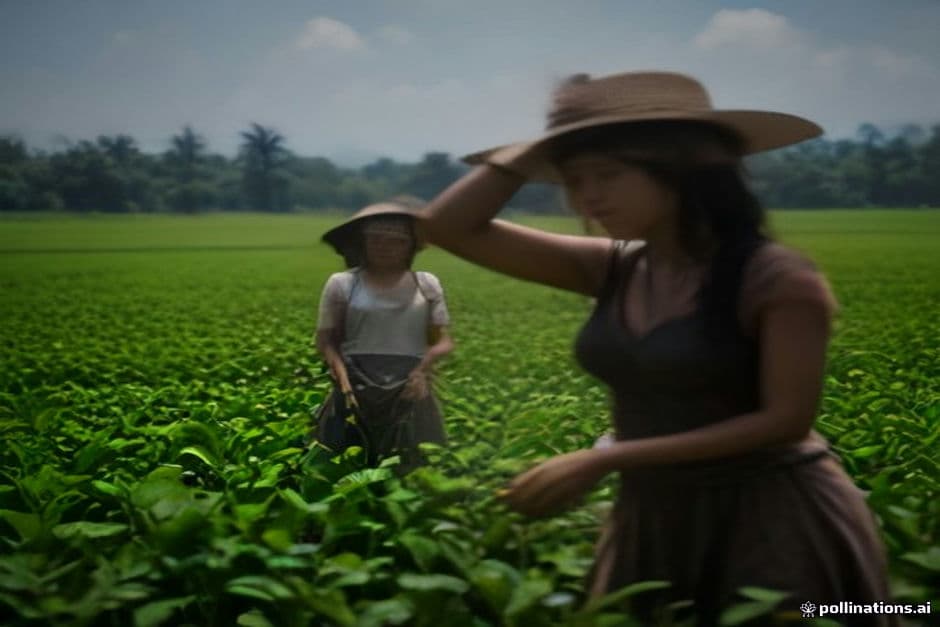
In a sun-drenched field just outside of Ubud, the rhythmic sound of hoe striking soil fills the air as local farmers work diligently, planting seedlings for a new crop season. Among them, 28-year-old Ayu is planting organic vegetables, a practice she began only a year ago after attending a local training program. "I never thought I could make a living from farming, but now I feel proud to contribute to sustainable practices while supporting my family," she says, her hands stained with rich, dark earth.
As Bali grapples with the repercussions of over-tourism and climate change, the agriculture sector is experiencing a renaissance. This shift is not just about growing food; it's about cultivating jobs, fostering sustainability, and nurturing the island's cultural heritage. Organizations like the Bali Agricultural Training Center are at the forefront of this movement, offering programs that equip locals with the skills needed to thrive in a changing job market.
According to recent statistics, the demand for jobs in the agriculture sector has surged by 25% in the last year, driven by an increasing emphasis on organic farming and sustainable practices. The head of the Bali Agricultural Department, Made Suardika, highlights the importance of this shift, stating, "Sustainable agriculture not only protects our environment but also provides a viable source of income for our communities. We are committed to training our farmers to adapt to modern techniques while respecting traditional methods."
The training programs offered are comprehensive, covering everything from organic farming techniques to business management. Participants learn about crop rotation, pest control without harmful chemicals, and how to market their products effectively. The goal is to create self-sufficient farmers who can contribute to both the local economy and the environment.

One of the standout initiatives is the 'Bali Green Jobs' program, launched in early 2026, which aims to create over 1,000 jobs in sustainable agriculture within the next three years. This initiative not only provides hands-on training but also connects farmers with local markets and eco-tourism businesses. For instance, a farm in Tegallalang recently partnered with a boutique hotel to supply fresh produce for their restaurant, creating a win-win situation for both parties.
Moreover, the impact of these programs extends beyond immediate job creation. They are fostering a community of environmentally conscious individuals who are passionate about preserving Bali's natural beauty. Workshops and community events have become platforms for sharing knowledge and encouraging collaboration among farmers, artisans, and local businesses.
Ayu, now well-versed in organic farming, is also involved in a cooperative that shares resources and knowledge among its members. "It's not just about me anymore; it's about all of us working together to create a sustainable future for Bali," she shares, her eyes sparkling with enthusiasm.

However, challenges remain. Many older farmers are hesitant to adapt to new techniques, fearing they will lose traditional methods that have been passed down through generations. To address this, the Bali Agricultural Training Center emphasizes the integration of modern practices with traditional wisdom, ensuring that the cultural heritage of Balinese agriculture is preserved.
Looking forward, the Bali government plans to invest further in agricultural innovation, with initiatives aimed at developing technology that can assist farmers while minimizing environmental impact. The hope is that, by combining technology with organic practices, Bali can emerge as a leader in sustainable agriculture.
As the sun sets over the verdant fields of Ubud, the sound of laughter and chatter fills the air as local farmers gather for an evening workshop. This community of aspiring agriculturalists is not just working to improve their livelihoods; they are sowing the seeds for a sustainable future, where the harmony between economic growth and environmental stewardship can thrive.



Read Also from Other Categories

Ubud's Thriving Spiritual Tourism: A New Chapter in Visitor Engagement
Ubud is emerging as a key player in Bali's spiritual tourism scene, attracting visitors seeking authentic experiences. With a focus on local traditions and wellness, the area is redefining how tourists engage with Balinese culture.

Transforming Bali's Public Services: AI Integration Gains Momentum
The Bali provincial government is ramping up efforts to integrate artificial intelligence into public services, aiming for a more efficient administrative process. This shift reflects a growing trend across Indonesia as local governments adopt digital solutions to enhance service delivery.

Emerging Trends in Bali's Investment Landscape: The Rise of Impact Startups
Bali is witnessing a significant shift in investment trends as impact startups gain traction. With a focus on social and environmental benefits, these ventures are attracting both local and international funding in unprecedented ways.

Unexpected Water Supply Crisis Hits Bali Amid Rising Demand and Climate Change
Bali faces a critical water supply shortage, with demand increasing by 25% year-over-year. Local officials are mobilizing to address the crisis as climate change exacerbates existing challenges.
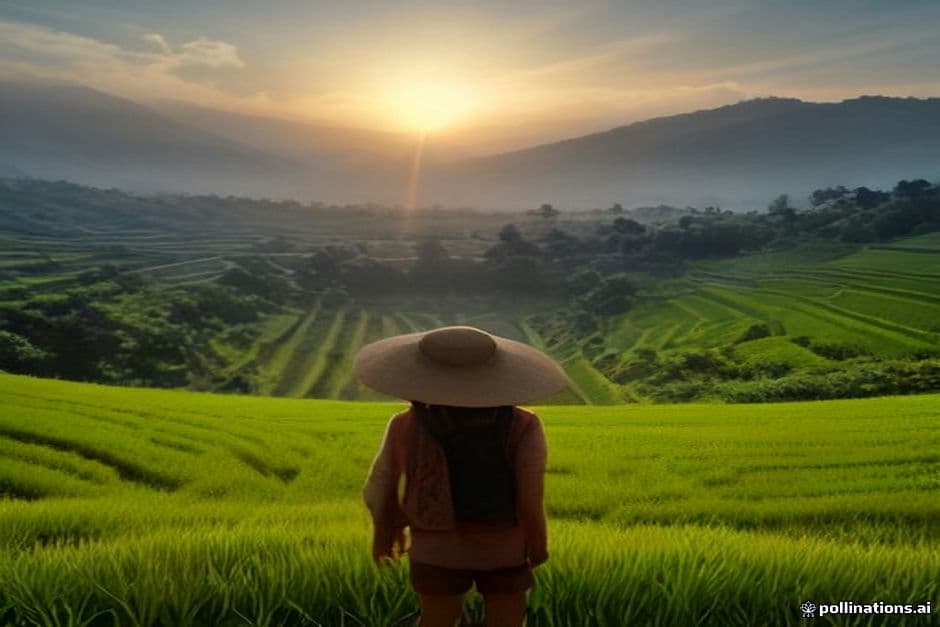
Local Farmers Transition to Agro-Tourism Amidst Climate Challenges
As climate change impacts agriculture, Bali's farmers are embracing agro-tourism to sustain their livelihoods. This shift not only preserves local culture but also enhances community engagement and economic resilience.
Rethinking Bali's Digital Nomad Policies: A Call for Sustainable Integration
Bali's digital nomad community has surged by 35% in the past year, prompting discussions on the need for more structured policies. Experts argue that without strategic planning, the influx could strain local resources and cultural integrity.
Comments (0)
No comments yet. Be the first!