Local Farmers Transition to Agro-Tourism Amidst Climate Challenges
As climate change impacts agriculture, Bali's farmers are embracing agro-tourism to sustain their livelihoods. This shift not only preserves local culture but also enhances community engagement and economic resilience.

In the face of increasing climate challenges, local farmers in Bali are pivoting towards agro-tourism as a sustainable means of livelihood. This trend is gaining traction particularly in regions like Ubud and Tabanan, where agricultural practices are deeply intertwined with cultural heritage.
The transition is marked by a growing number of farms opening their doors to tourists, offering immersive experiences that highlight traditional farming methods and organic produce. These initiatives not only attract visitors but also foster a deeper appreciation for Balinese culture and sustainable practices.
One such initiative is the Agro-Tourism Farm in Ubud, which allows visitors to participate in rice planting and harvesting. The farm, run by a cooperative of local farmers, aims to educate tourists about the significance of rice in Balinese culture while providing a supplementary income stream for its members.
“By welcoming tourists, we can share our way of life and secure a future for our children,” said Ketut Suardana, a local farmer involved in the initiative. “It’s about preserving our culture and ensuring our farms remain viable despite the climate crisis.”
According to recent reports, the agro-tourism sector in Bali has seen a noticeable increase, with visitor numbers rising by 30% in the last year alone. This growth reflects a broader trend towards experiential travel, where tourists seek authentic interactions with local communities.

The local government has recognized this shift and is actively supporting agro-tourism development. Programs aimed at enhancing infrastructure, such as roads and signage leading to agro-tourism sites, are being prioritized in the Bali Tourism Development Plan. This support is crucial in ensuring that these initiatives can thrive and provide economic benefits to local communities.
In addition to economic advantages, agro-tourism is playing a vital role in environmental conservation. Many farmers are adopting organic practices to appeal to eco-conscious travelers, which in turn helps improve soil health and biodiversity. These practices are essential as Bali faces significant challenges from climate change, including unpredictable weather patterns and increased pest infestations.
Moreover, agro-tourism is fostering community engagement. Local farmers are collaborating to create joint marketing efforts, promoting their unique offerings collectively. This sense of community not only strengthens social ties but also enhances the overall tourist experience as visitors can enjoy a variety of activities across multiple farms.
As the agro-tourism movement grows, challenges remain. Farmers must navigate the delicate balance between commercial viability and cultural preservation. There are concerns that an influx of tourists could lead to the commodification of their cultural practices, potentially undermining the authenticity of their traditions.

“We want to share our culture, but we also need to protect it,” said Made Wayan, a farmer and cultural leader in Tabanan. “It’s a fine line we have to walk.”
Looking ahead, the success of agro-tourism in Bali will depend on the commitment of both the local community and government to promote sustainable practices and responsible tourism. As more farmers embrace this model, Bali stands to benefit not only economically but also culturally, showcasing the resilience and ingenuity of its people in the face of adversity.
In conclusion, the transition to agro-tourism represents a significant step for Bali’s farmers as they adapt to the realities of climate change. With ongoing support and engagement, this initiative could ensure the sustainability of both their livelihoods and the rich cultural heritage of Bali for generations to come.



Read Also from Other Categories

Ubud's Thriving Spiritual Tourism: A New Chapter in Visitor Engagement
Ubud is emerging as a key player in Bali's spiritual tourism scene, attracting visitors seeking authentic experiences. With a focus on local traditions and wellness, the area is redefining how tourists engage with Balinese culture.

Transforming Bali's Public Services: AI Integration Gains Momentum
The Bali provincial government is ramping up efforts to integrate artificial intelligence into public services, aiming for a more efficient administrative process. This shift reflects a growing trend across Indonesia as local governments adopt digital solutions to enhance service delivery.

Emerging Trends in Bali's Investment Landscape: The Rise of Impact Startups
Bali is witnessing a significant shift in investment trends as impact startups gain traction. With a focus on social and environmental benefits, these ventures are attracting both local and international funding in unprecedented ways.

Unexpected Water Supply Crisis Hits Bali Amid Rising Demand and Climate Change
Bali faces a critical water supply shortage, with demand increasing by 25% year-over-year. Local officials are mobilizing to address the crisis as climate change exacerbates existing challenges.
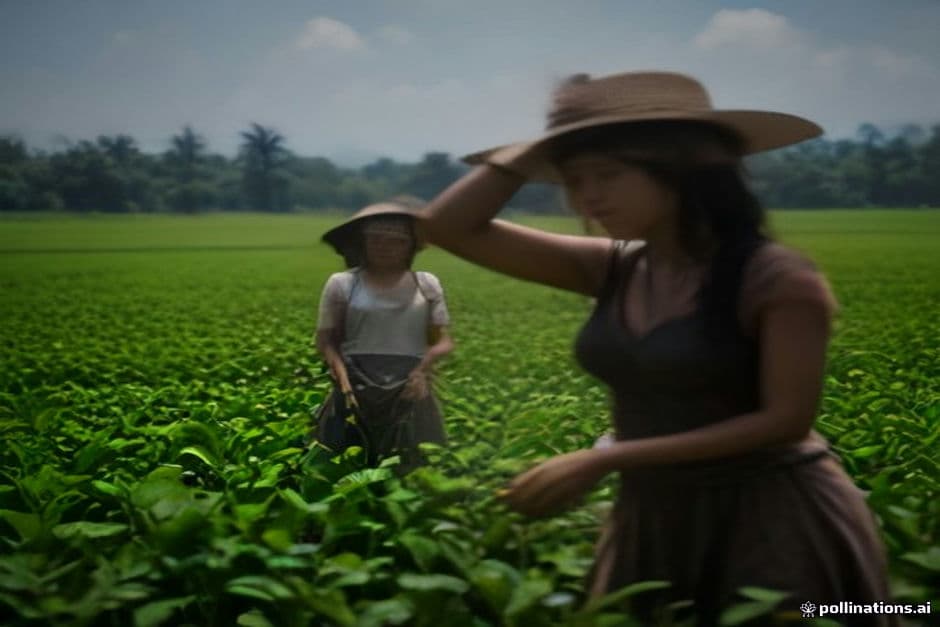
Job Opportunities in Bali's Agriculture Sector: A Path to Sustainability
Bali's agriculture sector is undergoing a transformation, presenting new job opportunities to locals. With a focus on sustainable practices, training programs are paving the way for a greener future in employment.

Rethinking Bali's Digital Nomad Policies: A Call for Sustainable Integration
Bali's digital nomad community has surged by 35% in the past year, prompting discussions on the need for more structured policies. Experts argue that without strategic planning, the influx could strain local resources and cultural integrity.
Comments (0)
No comments yet. Be the first!