Rethinking Bali's Digital Nomad Policies: A Call for Sustainable Integration
Bali's digital nomad community has surged by 35% in the past year, prompting discussions on the need for more structured policies. Experts argue that without strategic planning, the influx could strain local resources and cultural integrity.
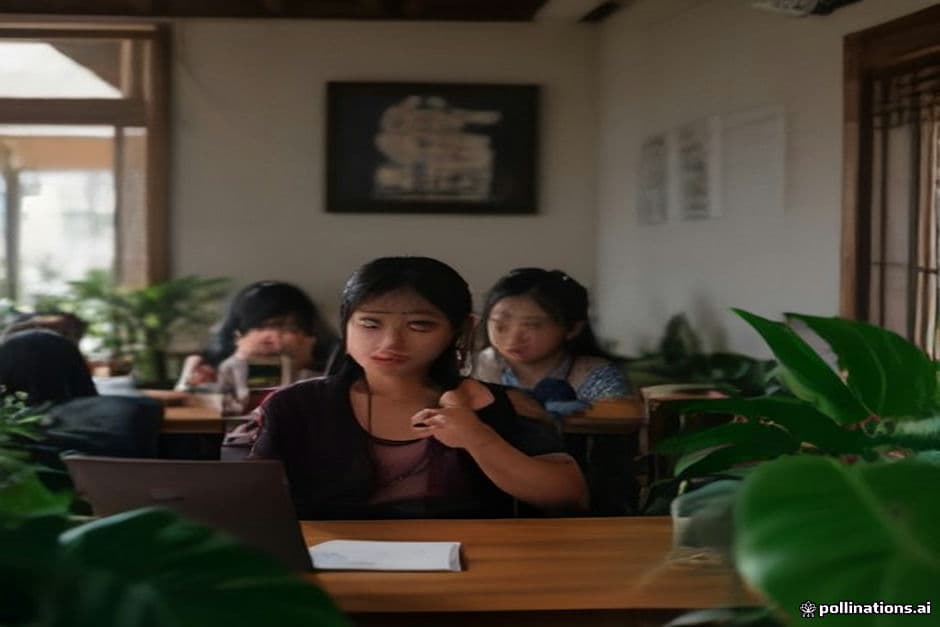
Bali's digital nomad community has experienced a remarkable surge, with recent data indicating a 35% increase in the number of remote workers residing on the island in the past year alone. This growth, largely fueled by the global shift towards remote work, has sparked a critical dialogue regarding the sustainability of such a trend and its long-term implications for both the island's economy and cultural heritage.
According to estimates from the Bali Tourism Board, the current number of digital nomads residing in Bali has reached approximately 100,000, a significant jump from 74,000 in the previous year. This influx is not just a statistic; it represents a demographic shift that is reshaping Bali's socio-economic landscape, contributing to both opportunities and challenges.
Many digital nomads are drawn to Bali for its affordable cost of living, vibrant culture, and appealing lifestyle. However, the rapid increase in this population has raised concerns among local residents and policymakers alike. In particular, issues such as rising rental prices, increased traffic congestion, and the strain on local infrastructure are becoming more pronounced. For instance, the average rental price in Canggu has reportedly risen by 20% since last year, largely attributed to the high demand from expatriates and remote workers.
Local residents are expressing apprehension over the implications of this demographic shift. A recent survey conducted by the Bali Residents Association indicated that 62% of locals believe that the influx of digital nomads is negatively impacting their quality of life. Concerns about cultural dilution, loss of community, and increased competition for resources are prevalent. As one resident noted, "It feels like our neighborhoods are changing too fast, and we are losing the essence of what makes Bali special."

In response to these challenges, experts are advocating for a more structured approach to integrating digital nomads into Bali's socio-economic fabric. This includes the development of targeted policies that would not only accommodate this growing demographic but also ensure that local communities are not left behind. Suggestions include establishing designated co-working spaces, implementing a digital nomad visa that encourages longer stays while promoting cultural exchange, and creating community engagement initiatives that foster interaction between locals and expatriates.
The success of such initiatives can be seen in other regions around the world, such as Portugal's Madeira, which has implemented a digital nomad visa program that successfully balances the needs of local residents with those of incoming workers. Experts suggest that Bali could benefit from a similar model, one that encourages sustainable living practices and collaboration between digital nomads and local communities.
Furthermore, the Bali government has been urged to recognize the economic potential of this demographic. With the average digital nomad reportedly spending around $1,500 per month on living expenses, this influx could significantly contribute to the local economy if managed responsibly. The challenge lies in creating a framework that supports sustainable economic growth while preserving the cultural integrity that attracts these nomads in the first place.

Moreover, the environmental impact of the growing digital nomad community cannot be overlooked. The increase in population density has raised questions about waste management, transportation, and the sustainability of local ecosystems. Initiatives aimed at promoting eco-friendly practices among residents and visitors alike are essential to mitigating these impacts. For instance, encouraging the use of electric scooters and promoting recycling programs could alleviate some of the environmental pressures associated with increased tourism.
As Bali navigates this complex landscape, the role of local governance will be crucial. Policymakers must engage in active dialogue with both local residents and the digital nomad community to create policies that reflect the needs and aspirations of all stakeholders. This collaborative approach could pave the way for a more harmonious coexistence that benefits both locals and newcomers.
In conclusion, while the rise of digital nomads presents significant opportunities for Bali, it also poses considerable challenges. A proactive and strategic approach to policy development is essential to ensure that the benefits of this demographic shift are realized without compromising the cultural and environmental integrity of the island. By fostering collaboration between digital nomads and local communities, Bali can create a sustainable model that embraces change while honoring its rich heritage.



Read Also from Other Categories

Ubud's Thriving Spiritual Tourism: A New Chapter in Visitor Engagement
Ubud is emerging as a key player in Bali's spiritual tourism scene, attracting visitors seeking authentic experiences. With a focus on local traditions and wellness, the area is redefining how tourists engage with Balinese culture.

Transforming Bali's Public Services: AI Integration Gains Momentum
The Bali provincial government is ramping up efforts to integrate artificial intelligence into public services, aiming for a more efficient administrative process. This shift reflects a growing trend across Indonesia as local governments adopt digital solutions to enhance service delivery.

Emerging Trends in Bali's Investment Landscape: The Rise of Impact Startups
Bali is witnessing a significant shift in investment trends as impact startups gain traction. With a focus on social and environmental benefits, these ventures are attracting both local and international funding in unprecedented ways.

Unexpected Water Supply Crisis Hits Bali Amid Rising Demand and Climate Change
Bali faces a critical water supply shortage, with demand increasing by 25% year-over-year. Local officials are mobilizing to address the crisis as climate change exacerbates existing challenges.

Local Farmers Transition to Agro-Tourism Amidst Climate Challenges
As climate change impacts agriculture, Bali's farmers are embracing agro-tourism to sustain their livelihoods. This shift not only preserves local culture but also enhances community engagement and economic resilience.

Job Opportunities in Bali's Agriculture Sector: A Path to Sustainability
Bali's agriculture sector is undergoing a transformation, presenting new job opportunities to locals. With a focus on sustainable practices, training programs are paving the way for a greener future in employment.
Comments (0)
No comments yet. Be the first!