Rising Concerns Over Bali's Transportation System Amid Growing Visitor Numbers
Bali's transportation system faces increased scrutiny as visitor numbers surge, with a projected 12% rise in tourists this year. With the province welcoming over 6 million visitors, the need for effective transport solutions has never been more critical.
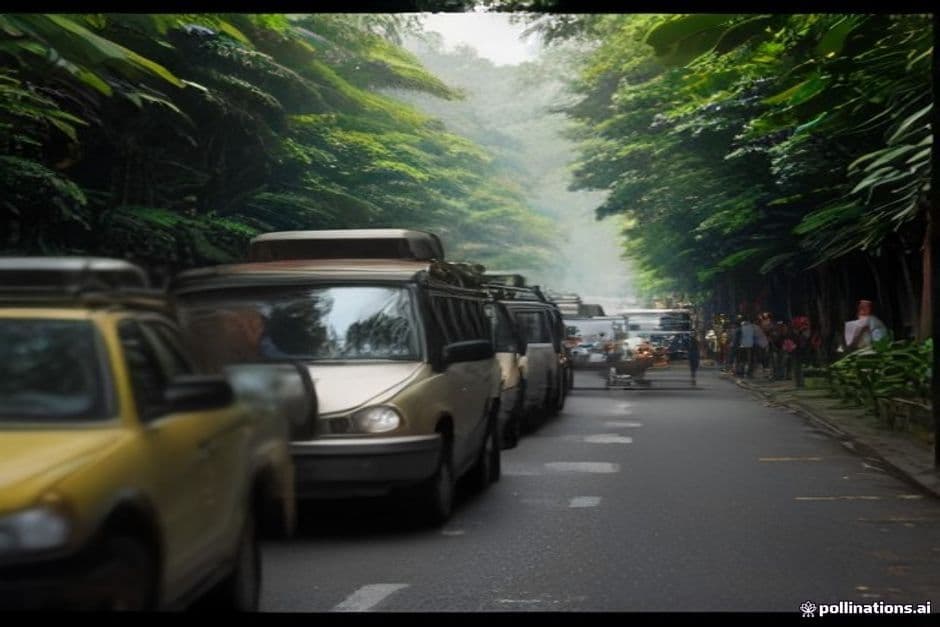
Bali's transportation system is under increasing pressure as the island braces for a projected 12% rise in tourist arrivals this year, bringing the total to over 6 million visitors. This influx has raised significant concerns regarding the adequacy of current transport infrastructure, as both locals and tourists grapple with traffic congestion and accessibility issues.
Recent reports indicate that Bali's roads are already experiencing average traffic speeds of just 15 km/h during peak hours, a stark contrast to the recommended speed of 30 km/h for urban areas. This slow pace is indicative of deeper systemic issues within the transportation network, exacerbated by the island's narrow roads and insufficient public transport options.
Government data reveals that the number of registered vehicles in Bali has surged to approximately 4 million, a 20% increase compared to the previous year. This surge in vehicle ownership has intensified traffic congestion, particularly in popular tourist areas such as Seminyak and Ubud. Local authorities are now challenged to find sustainable solutions that can cater to both the growing local population and the influx of tourists.
In response, the Bali provincial government has initiated discussions around expanding public transport options, including the introduction of electric buses and improved ride-sharing services. This initiative aims to reduce the reliance on private vehicles and alleviate the burden on Bali's already strained roadways. The provincial government plans to implement these measures by mid-2024, with the goal of achieving a 30% reduction in traffic congestion by the end of the year.

Comparatively, neighboring regions like Jakarta have successfully integrated mass transit systems that have significantly improved urban mobility. Bali's government is now looking to these models as potential blueprints for addressing its transportation challenges. Experts suggest that a comprehensive transport strategy, including dedicated bus lanes and increased cycling infrastructure, could lead to a more efficient system.
Additionally, the Bali Tourism Board has emphasized the importance of sustainable transport solutions to enhance the overall visitor experience. Public surveys indicate that 65% of tourists expressed dissatisfaction with current transport options, highlighting a critical gap that needs to be addressed to maintain Bali's reputation as a premier travel destination.
There is also a push for improved accessibility in rural areas, where transportation options are limited. The provincial government is considering partnerships with local ride-sharing companies to extend services beyond urban centers, ensuring that all visitors can access key attractions.

As Bali seeks to revamp its transportation landscape, stakeholders are calling for community engagement to ensure that solutions meet the needs of both residents and tourists. Community forums are being organized to gather input and feedback on proposed initiatives, reflecting a collaborative approach to urban planning.
In summary, as Bali prepares for a surge in visitors, addressing its transportation challenges is paramount. With strategic planning and community involvement, the provincial government has the opportunity to transform Bali's transport system into a model of efficiency and sustainability.



Read Also from Other Categories

Reviving Bali's Traditional Arts: A Pathway to Sustainable Tourism Growth
Bali is witnessing a resurgence in traditional arts as local artisans embrace innovation to attract tourists. This revival not only supports cultural heritage but also contributes to the island's sustainable tourism goals.
Investors Eye Bali's Eco-Tourism Ventures Amid Rising Global Consciousness
As eco-tourism gains traction worldwide, Bali emerges as a hotspot for investments in sustainable travel ventures. Local entrepreneurs and international investors alike are capitalizing on the island's natural beauty and cultural richness to promote environmental responsibility.

Emergency Preparedness in Bali: A Community Focus Amid Natural Threats
As climate change intensifies weather patterns, Bali's communities are stepping up emergency preparedness measures. Local authorities emphasize the importance of readiness as the island faces increased risks from natural disasters.

Innovative Water Management Strategies Address Bali's Scarcity Crisis
Bali's growing water scarcity has prompted local governments and communities to implement innovative water management strategies. These initiatives aim to balance the needs of agriculture, tourism, and the local population while preserving the island's natural resources.
Skill Development Initiatives Spark Job Growth Across Bali's Industries
Bali is witnessing a surge in job training programs aimed at enhancing workforce skills. Local businesses and educational institutions are collaborating to address employment challenges and meet industry demands.

In Ubud, the Intersection of Art and Technology Sparks New Culture
As artists in Ubud embrace digital platforms, a cultural renaissance unfolds that blends traditional Balinese artistry with modern technology. This shift is redefining not only art consumption but also local community dynamics.
Comments (0)
No comments yet. Be the first!