Cultural Heritage Drives Growth in Bali's Tourism Sector
Bali's tourism industry is witnessing a remarkable transformation, with a 20% increase in visitors participating in cultural experiences over the past year. This surge is reshaping the landscape of tourism, highlighting the importance of cultural heritage in attracting travelers.
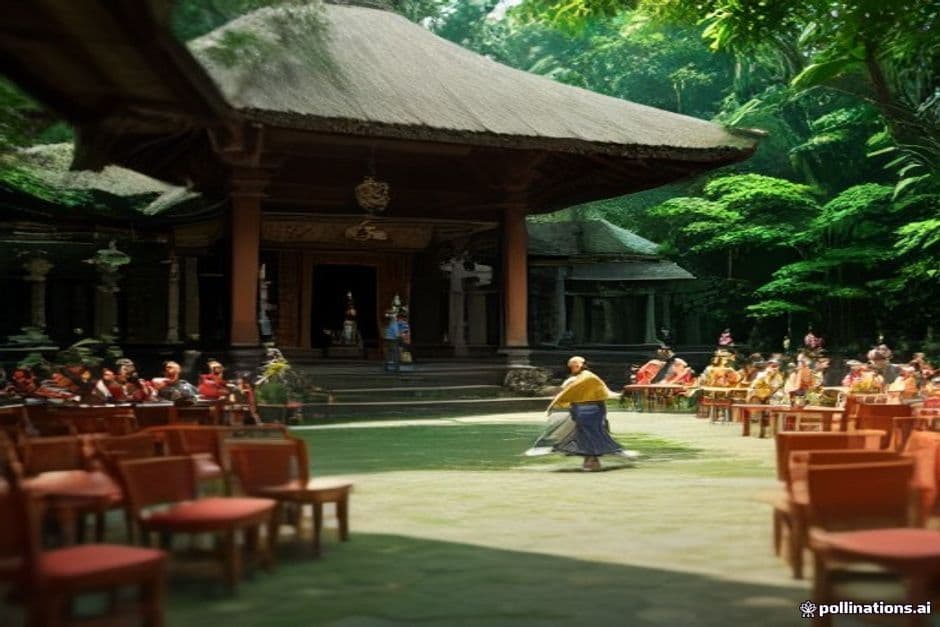
In 2026, Bali's tourism industry is experiencing a notable shift, with 20% more visitors engaging in cultural experiences compared to the previous year. This trend underscores the growing importance of cultural heritage in attracting tourists to the island, as travelers seek authentic and immersive experiences that connect them to the local traditions and practices.
The Bali Tourism Agency reported that cultural tourism has become a significant driver of growth, contributing to an estimated 30% increase in revenue from tourism-related activities. This rise can be attributed to a combination of factors, including the success of cultural festivals, workshops, and traditional performances that resonate with both international and domestic tourists.
One of the standout events contributing to this cultural renaissance is the Bali Arts Festival, which has seen attendance grow by 25% this year, drawing over 100,000 visitors. The festival showcases local artists, traditional music, and dance performances, providing a platform for Balinese culture to shine on a global stage. The event not only celebrates the island's rich heritage but also stimulates the local economy by supporting artisans and cultural practitioners.

Additionally, hotels and resorts are adapting to this cultural trend by incorporating traditional elements into their offerings. Many establishments are now providing guests with opportunities to participate in Balinese cooking classes, traditional dance workshops, and guided tours to historical sites such as temples and ancient villages. This approach not only enhances the visitor experience but also fosters a deeper appreciation for Balinese culture among tourists.
According to a survey conducted by the Bali Tourism Board, 78% of tourists expressed a desire for more cultural experiences during their visits, indicating a clear demand for activities that allow them to engage with the island's heritage. This aligns with a broader global trend where travelers are increasingly prioritizing cultural immersion as a key factor in their travel decisions.
Moreover, local communities are actively involved in this cultural tourism movement, with many artisans and performers benefiting from the increased interest in traditional crafts and performances. Initiatives that promote community-led tourism are gaining traction, as they empower locals to share their stories and preserve their cultural practices while generating income.
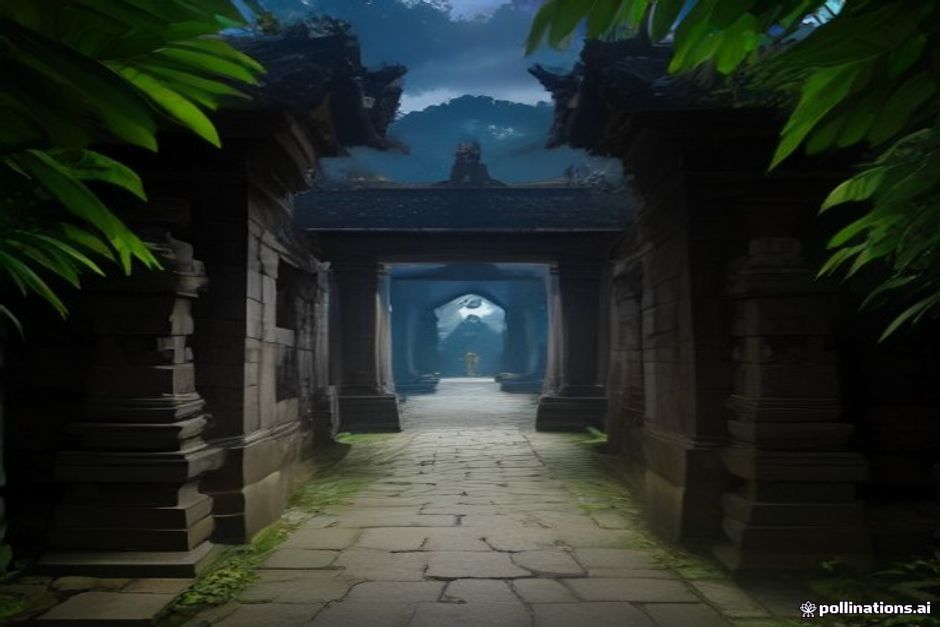
However, this growth in cultural tourism also presents challenges, particularly concerning the sustainability of cultural heritage. As the number of visitors rises, there is a pressing need to ensure that cultural practices are preserved and not commodified for profit. Stakeholders, including the government and local organizations, are working together to establish guidelines that protect the integrity of cultural expressions while still allowing for tourism development.
In conclusion, Bali's tourism industry is witnessing a cultural renaissance, with a significant increase in visitors seeking authentic and immersive experiences. This trend not only benefits the local economy but also fosters a deeper understanding and appreciation of Balinese culture among tourists. As the industry continues to evolve, maintaining a balance between tourism growth and cultural preservation will be crucial for sustaining this positive trajectory.



Read Also from Other Categories

Public Health Policy Overhaul: Bali's Bold Steps Toward Enhanced Services
Bali's provincial government is set to revamp its public health policies, aiming for a 30% increase in healthcare accessibility by 2025. This initiative, announced by Governor Wayan Koster, focuses on improving infrastructure and community health programs across the island.

Investment Landscape Shifts as Bali Attracts Tech-Focused Funds
Bali is witnessing a significant influx of investment in tech startups, reshaping its economic landscape. This trend highlights the island's growing reputation as a hub for innovation and digital solutions.
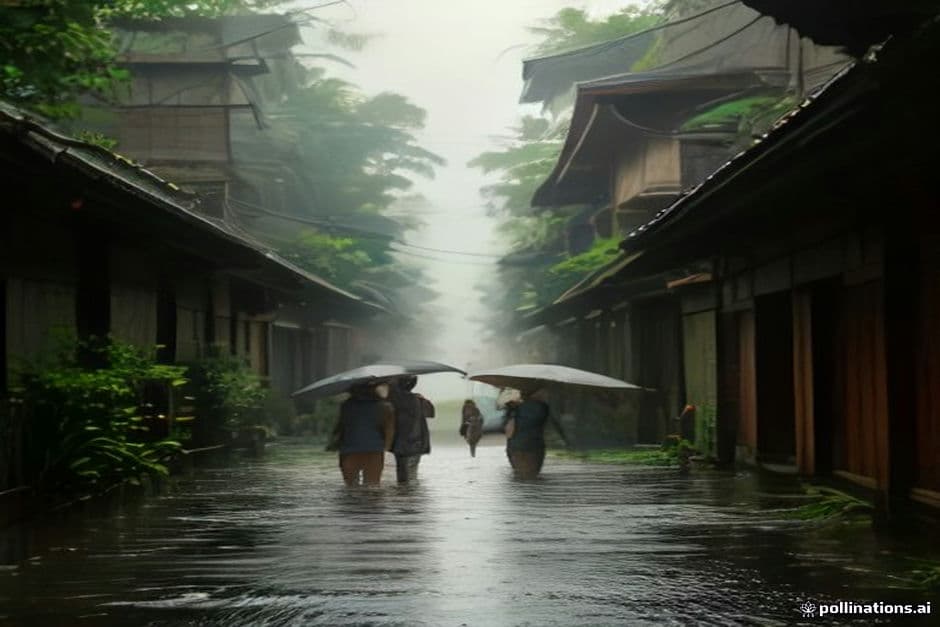
Rescue Teams Mobilize as Bali Faces Increased Flood Risks Amid Seasonal Rains
As heavy seasonal rains batter Bali, local authorities are intensifying flood preparedness measures. With communities on high alert, the challenge lies in balancing safety and daily life.

Local Artists Collaborate to Preserve Bali's Cultural Heritage Amid Modernization
A new initiative in Bali sees local artists and cultural groups uniting to promote traditional arts and crafts in the face of rapid modernization. This collaborative effort aims to engage younger generations while ensuring the survival of Bali's unique cultural identity.

Emerging Career Paths: Bali's Focus on Digital Skills and Local Talent
Bali is witnessing a significant shift towards digital skills training to meet the demands of its evolving job market. Local initiatives are empowering residents, particularly youth, with the necessary tools to thrive in an increasingly competitive economy.

Cultural Clash: The Impact of Bali's Tourism Boom on Local Livelihoods
As Bali's tourism industry rebounds post-pandemic, local communities face challenges in preserving their cultural identity. This article explores the growing tension between cultural preservation and the rising demand for authentic experiences from visitors.
Comments (0)
No comments yet. Be the first!