Bali Grapples with Increasing Risks of Infrastructure Failures Amid Heavy Rains
As Bali experiences a surge in heavy rainfall, infrastructure failures are becoming a pressing concern for both residents and authorities. Emergency services are mobilizing resources to address the challenges posed by deteriorating roads and flooding in key areas.

With the onset of the rainy season, Bali is confronting a series of infrastructure failures that have raised alarm among residents and local authorities. Reports indicate that heavy rainfall has led to significant road damage, flooding, and landslides, straining emergency services across the island.
In recent weeks, several key roads in Ubud and Canggu have been rendered impassable due to flooding and debris. Local authorities report that the situation has led to delays in emergency response times, prompting the Bali Disaster Management Agency (BPBD) to issue warnings to residents living in vulnerable areas. "We are advising people in affected regions to stay alert and avoid non-essential travel," stated a BPBD official.
The impact of these infrastructure failures has been particularly pronounced in rural areas where access to emergency services is already limited. In villages such as Taro and Pejeng, residents have been cut off from essential supplies and medical services due to blocked roads and fallen trees. The local government is currently assessing the damage and planning to deploy additional resources to clear the roads.
According to meteorological data, Bali has recorded an unprecedented amount of rainfall this month, with some areas experiencing up to 300 millimeters in just a few days. The Bali Meteorology Agency has warned that these conditions are expected to persist, raising concerns of further flooding and infrastructure deterioration.

In response to the situation, the provincial government has begun implementing emergency protocols, including the allocation of funds for immediate repairs to critical infrastructure. "We are prioritizing the restoration of major roads and drainage systems to mitigate the impact of future storms," said the Head of Public Works, I Wayan Suardika.
However, the challenges extend beyond immediate repairs. Experts have raised concerns about the long-term resilience of Bali's infrastructure in the face of climate change. Increased rainfall and rising sea levels pose significant risks, and there is a growing call for comprehensive infrastructure planning that takes these factors into account.
Community leaders have also voiced their concerns. In Canggu, local residents are advocating for more sustainable infrastructure solutions, such as improved drainage systems and flood barriers. "We need to think long-term and invest in infrastructure that can withstand the changing climate," said a Canggu community representative.

The impact of these infrastructure failures is not only a concern for residents but also for the tourism industry, which is a critical component of Bali's economy. Tourist attractions are becoming less accessible as roads are blocked, leading to a decline in visitor numbers. The Bali Tourism Board is closely monitoring the situation and has advised tourists to check travel conditions before planning their trips.
As Bali navigates these challenges, the collaboration between government agencies, local communities, and environmental experts will be crucial in addressing the urgent infrastructure needs. The ongoing rainfall serves as a stark reminder of the vulnerabilities posed by climate change and the importance of proactive measures to safeguard Bali's future.
With the rainy season expected to continue for several months, residents and authorities alike are bracing for further challenges. Immediate action is needed to repair critical infrastructure and to develop long-term strategies to enhance resilience in the face of increasingly severe weather patterns.



Read Also from Other Categories

Exploring Bali's Culinary Festivals: A Feast for Tourists and Locals Alike
Bali's culinary festivals are transforming the island into a gastronomic paradise, drawing food lovers from around the globe. These vibrant events not only celebrate local cuisine but also boost tourism and engage the community.

Public Health Policy Overhaul: Bali's Bold Steps Toward Enhanced Services
Bali's provincial government is set to revamp its public health policies, aiming for a 30% increase in healthcare accessibility by 2025. This initiative, announced by Governor Wayan Koster, focuses on improving infrastructure and community health programs across the island.

Investment Landscape Shifts as Bali Attracts Tech-Focused Funds
Bali is witnessing a significant influx of investment in tech startups, reshaping its economic landscape. This trend highlights the island's growing reputation as a hub for innovation and digital solutions.
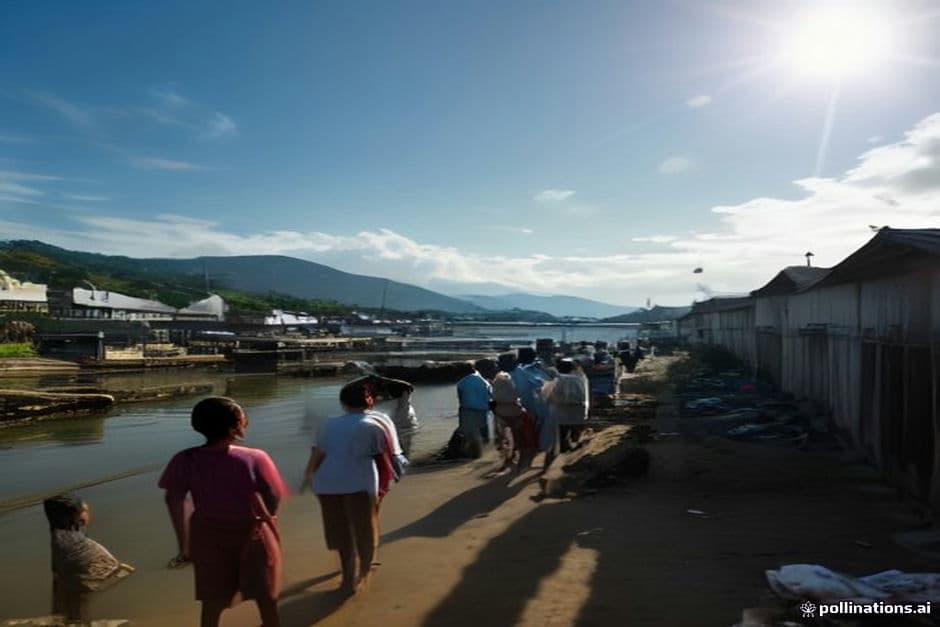
Residents Rally for Improved Sanitation in North Bali's Singaraja
In Singaraja, local residents are banding together to address long-standing sanitation issues in their neighborhoods. This community-driven initiative aims to enhance public health and environmental conditions through collaborative efforts with local government agencies.

Emerging Career Paths: Bali's Focus on Digital Skills and Local Talent
Bali is witnessing a significant shift towards digital skills training to meet the demands of its evolving job market. Local initiatives are empowering residents, particularly youth, with the necessary tools to thrive in an increasingly competitive economy.

Cultural Clash: The Impact of Bali's Tourism Boom on Local Livelihoods
As Bali's tourism industry rebounds post-pandemic, local communities face challenges in preserving their cultural identity. This article explores the growing tension between cultural preservation and the rising demand for authentic experiences from visitors.
Comments (0)
No comments yet. Be the first!