Cultural Clash: The Impact of Bali's Tourism Boom on Local Livelihoods
As Bali's tourism industry rebounds post-pandemic, local communities face challenges in preserving their cultural identity. This article explores the growing tension between cultural preservation and the rising demand for authentic experiences from visitors.
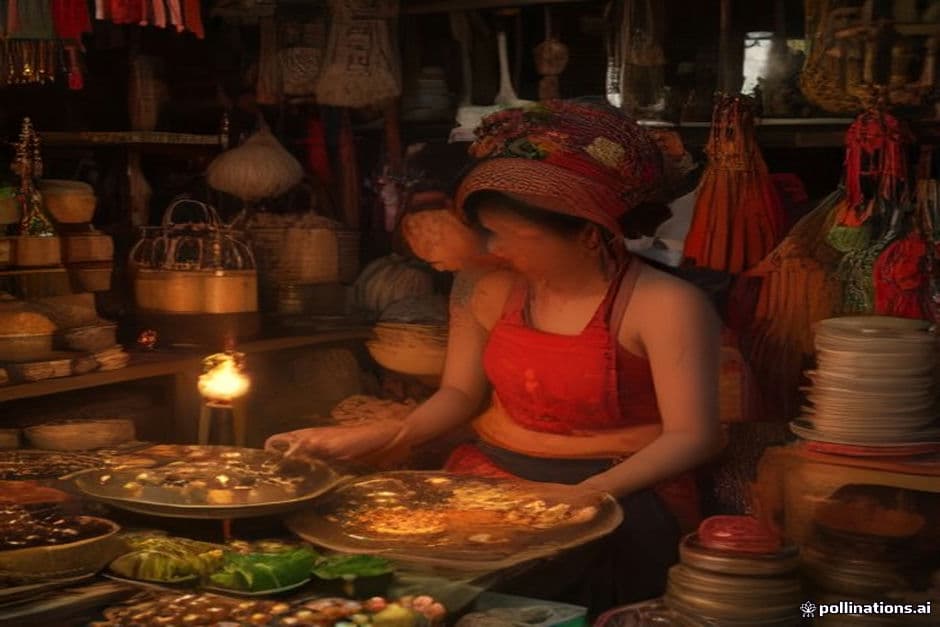
Bali's tourism sector is experiencing a significant resurgence as international travel restrictions ease, drawing millions of visitors back to the island. However, this influx poses a dilemma for local communities, which find themselves grappling with the preservation of their cultural heritage amidst a booming economy driven by tourism.
In 2023, Bali welcomed over 6 million tourists, a sharp increase from the pandemic years when numbers dwindled to a mere fraction. This growth is not only fueling the local economy but also intensifying the cultural clash between traditional practices and the demands of modern tourism. Many locals express concerns that their unique cultural identity is being overshadowed by the commercial aspects of tourism.
For instance, in Ubud, known for its rich artistic heritage, local artisans are increasingly pressured to produce items that appeal to tourists rather than maintaining traditional craftsmanship. A local artist, Nyoman Sari, shared, "We feel the need to adapt to what tourists want, but in doing so, we risk losing our authenticity and traditions that have been passed down through generations." This sentiment is echoed throughout the island, where traditional ceremonies and art forms are being altered to cater to foreign expectations.
The Balinese culture is deeply rooted in spirituality and community, and many locals argue that the commercialization of these elements threatens their way of life. Traditional ceremonies, which often involve elaborate rituals and offerings, are being simplified or modified for tourist entertainment. Critics argue this not only dilutes the cultural significance but also commodifies sacred practices.

Moreover, the rise in demand for cultural experiences has led to an increase in cultural appropriation, where aspects of Balinese culture are taken out of context and presented in a way that misrepresents their original meaning. This has sparked debates within the community about who has the right to represent Balinese culture and how it should be portrayed to outsiders.
The local government, recognizing these challenges, has initiated programs aimed at promoting cultural education and sustainable tourism practices. The Bali Tourism Board has emphasized the importance of involving local communities in tourism planning and decision-making processes. However, the effectiveness of these initiatives remains to be seen, as many locals feel their voices are still not adequately represented.
In response to the growing tensions, some community leaders have begun advocating for a more balanced approach to tourism development. They argue for a model that respects and preserves cultural heritage while still allowing for economic growth. This includes encouraging tourists to engage more meaningfully with local customs and traditions rather than merely observing them from a distance.

Efforts to create cultural awareness programs for tourists are also gaining traction. These initiatives aim to educate visitors about the significance of Balinese culture, encouraging them to participate in traditional ceremonies and workshops that provide authentic experiences without exploiting local customs. Such programs not only benefit tourists but also help locals sustain their cultural practices in an economically viable manner.
As Bali continues to navigate the complexities of a post-pandemic tourism landscape, the challenge will be finding a way to harmonize economic growth with cultural preservation. The dialogue between local communities and tourism stakeholders must remain open, as both sides have a stake in the island's future. Without careful consideration, Bali risks losing the very essence that attracts visitors in the first place: its rich culture and traditions.



Read Also from Other Categories

Exploring Bali's Culinary Festivals: A Feast for Tourists and Locals Alike
Bali's culinary festivals are transforming the island into a gastronomic paradise, drawing food lovers from around the globe. These vibrant events not only celebrate local cuisine but also boost tourism and engage the community.

Public Health Policy Overhaul: Bali's Bold Steps Toward Enhanced Services
Bali's provincial government is set to revamp its public health policies, aiming for a 30% increase in healthcare accessibility by 2025. This initiative, announced by Governor Wayan Koster, focuses on improving infrastructure and community health programs across the island.

Investment Landscape Shifts as Bali Attracts Tech-Focused Funds
Bali is witnessing a significant influx of investment in tech startups, reshaping its economic landscape. This trend highlights the island's growing reputation as a hub for innovation and digital solutions.

Bali Grapples with Increasing Risks of Infrastructure Failures Amid Heavy Rains
As Bali experiences a surge in heavy rainfall, infrastructure failures are becoming a pressing concern for both residents and authorities. Emergency services are mobilizing resources to address the challenges posed by deteriorating roads and flooding in key areas.
Residents Rally for Improved Sanitation in North Bali's Singaraja
In Singaraja, local residents are banding together to address long-standing sanitation issues in their neighborhoods. This community-driven initiative aims to enhance public health and environmental conditions through collaborative efforts with local government agencies.

Emerging Career Paths: Bali's Focus on Digital Skills and Local Talent
Bali is witnessing a significant shift towards digital skills training to meet the demands of its evolving job market. Local initiatives are empowering residents, particularly youth, with the necessary tools to thrive in an increasingly competitive economy.
Comments (0)
No comments yet. Be the first!