New Training Centers in Bali Target Growing Demand for Skilled Workers
Bali's job market is witnessing a shift as new training centers open to address the rising demand for skilled workers. These initiatives aim to equip job seekers with essential skills tailored to the evolving industries in the region.
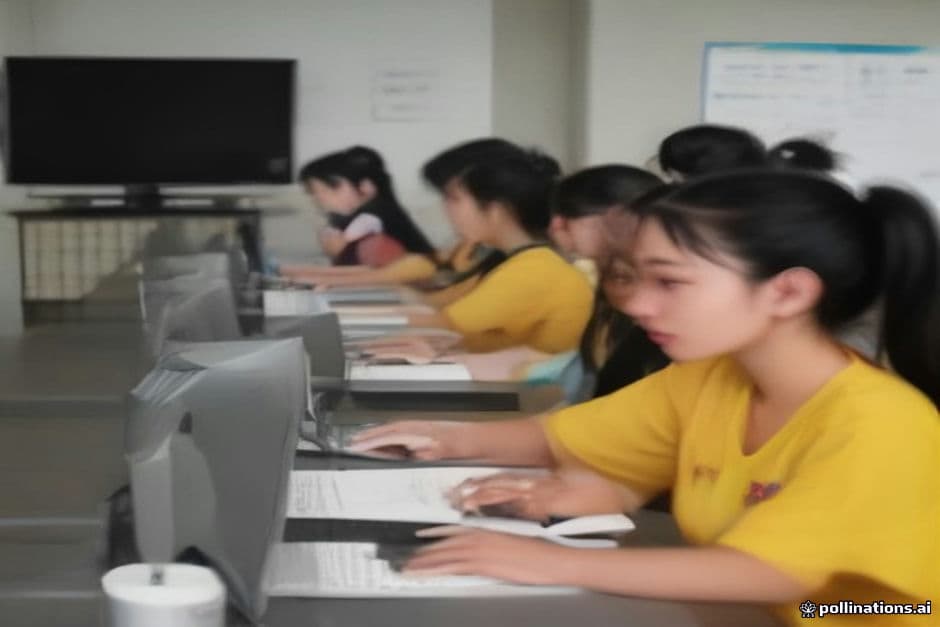
Bali's job market is adapting to the changing economic landscape, with new training centers emerging to support the growing demand for skilled workers. As industries evolve, particularly in technology and green sectors, these institutions aim to bridge the skills gap and prepare locals for a competitive workforce.
The recent establishment of training centers, such as the Bali Skills Academy in Denpasar, is a direct response to employers seeking qualified candidates. These centers offer programs focusing on digital literacy, IT skills, and sustainable practices, vital for meeting the needs of modern businesses. According to the Bali Employment Agency, the demand for skilled labor in sectors like technology and renewable energy has increased by over 30% in the past year alone.
One notable program is the collaboration between the Bali Skills Academy and local universities, providing students with hands-on training and internships with local companies. This partnership aims to align educational outcomes with market needs, ensuring that graduates are job-ready. The academy’s director, I Wayan Suardika, stated that "the goal is to create a workforce that can thrive in Bali's growing economic sectors. We want our students to be equipped with the skills that employers are looking for."
In addition to technical skills, these training centers emphasize soft skills such as communication, teamwork, and problem-solving, which are increasingly valued by employers. The focus on holistic training reflects a broader trend in the job market, where the ability to adapt and collaborate is as crucial as technical knowledge.

The rise of remote work opportunities has also influenced the type of training being offered. Many centers are now including modules on remote work best practices, digital communication tools, and project management skills. This shift caters to a demographic of job seekers interested in freelance and remote positions, which have become more prevalent since the pandemic.
Job fairs are another vital component of this evolving landscape. The recent job fair held at the Bali Convention Center attracted over 2,000 job seekers and featured more than 100 companies looking to fill positions across various sectors. Organizers reported a significant increase in interest from both employers and job seekers compared to previous years, highlighting a renewed confidence in Bali's economic recovery.
Government support plays a crucial role in these developments. The Bali Provincial Government has launched initiatives to fund vocational training programs and promote partnerships between educational institutions and local businesses. Governor Wayan Koster emphasized the importance of equipping Bali's workforce with the skills necessary to meet the demands of the 21st century economy.

As Bali continues to recover from the impacts of the pandemic, the emphasis on skills training and workforce development is expected to grow. Experts believe that by investing in human capital, Bali can not only improve employment rates but also enhance the overall economic resilience of the island.
In summary, the establishment of new training centers and the rise of job fairs reflect a proactive approach to addressing the skills gap in Bali's labor market. With a focus on both technical and soft skills, these initiatives aim to empower local job seekers and meet the demands of an evolving economy, ensuring a brighter future for Bali's workforce.



Read Also from Other Categories

Exploring Bali's Culinary Festivals: A Feast for Tourists and Locals Alike
Bali's culinary festivals are transforming the island into a gastronomic paradise, drawing food lovers from around the globe. These vibrant events not only celebrate local cuisine but also boost tourism and engage the community.

Public Health Policy Overhaul: Bali's Bold Steps Toward Enhanced Services
Bali's provincial government is set to revamp its public health policies, aiming for a 30% increase in healthcare accessibility by 2025. This initiative, announced by Governor Wayan Koster, focuses on improving infrastructure and community health programs across the island.

Investment Landscape Shifts as Bali Attracts Tech-Focused Funds
Bali is witnessing a significant influx of investment in tech startups, reshaping its economic landscape. This trend highlights the island's growing reputation as a hub for innovation and digital solutions.

Bali Grapples with Increasing Risks of Infrastructure Failures Amid Heavy Rains
As Bali experiences a surge in heavy rainfall, infrastructure failures are becoming a pressing concern for both residents and authorities. Emergency services are mobilizing resources to address the challenges posed by deteriorating roads and flooding in key areas.
Residents Rally for Improved Sanitation in North Bali's Singaraja
In Singaraja, local residents are banding together to address long-standing sanitation issues in their neighborhoods. This community-driven initiative aims to enhance public health and environmental conditions through collaborative efforts with local government agencies.

Cultural Clash: The Impact of Bali's Tourism Boom on Local Livelihoods
As Bali's tourism industry rebounds post-pandemic, local communities face challenges in preserving their cultural identity. This article explores the growing tension between cultural preservation and the rising demand for authentic experiences from visitors.
Comments (0)
No comments yet. Be the first!