Revitalizing Agrotourism: Bali's New Trend in Sustainable Visitor Experiences
Bali is witnessing a significant surge in agrotourism, attracting visitors eager to connect with local farming practices and sustainable living. This trend not only promotes environmental awareness but also supports the local economy and cultural heritage.

Bali's tourism landscape is undergoing a transformation as agrotourism emerges as a popular attraction for both domestic and international travelers. With a growing emphasis on sustainability and authentic experiences, tourists are increasingly drawn to the island's rich agricultural heritage and the opportunity to engage with local farming practices.
The rise of agrotourism in Bali can be attributed to several factors, including a heightened awareness of environmental issues, a desire for authentic experiences, and a growing interest in sustainable living. Visitors are now seeking more than just relaxation on the beach; they are looking for meaningful connections with the land and the communities that cultivate it.
One notable destination leading this trend is the Tabanan region, often referred to as Bali's rice bowl. The area is home to lush rice paddies, traditional farming methods, and a variety of local produce. Tourists can participate in rice planting, harvesting, and even cooking classes that utilize fresh ingredients sourced directly from local farms. Such experiences allow visitors to gain insights into Balinese culture while supporting the local economy.
Another significant player in Bali's agrotourism scene is the growing number of organic farms and eco-friendly retreats. Many of these establishments offer hands-on experiences, such as picking fruits and vegetables, learning about permaculture, and understanding the principles of organic farming. For instance, Ubud's Green Village provides workshops on sustainable building practices and organic gardening, appealing to eco-conscious travelers eager to learn.

Local farmers are also adapting to the influx of tourists by offering farm stays, where guests can immerse themselves in daily agricultural life. This not only enhances the visitor experience but also provides farmers with an additional income stream. As a result, many families are investing in their properties to create inviting accommodations that showcase the beauty of rural Bali.
The Bali government has recognized the potential of agrotourism as a way to diversify the island's tourism offerings and reduce the dependence on traditional beach tourism. Initiatives are being implemented to promote agrotourism through marketing campaigns and the development of infrastructure that supports rural tourism. The Bali Tourism Board is actively collaborating with local farmers and communities to create a cohesive agrotourism experience that highlights the island's agricultural bounty.
Moreover, the agrotourism trend aligns well with Bali's commitment to sustainability. By promoting local produce and sustainable farming practices, the tourism industry can contribute to environmental conservation while providing visitors with authentic experiences. This approach not only benefits tourists but also fosters a sense of pride among local communities, as they share their traditions and knowledge with the world.

As agrotourism continues to gain traction, several challenges remain. Balancing the needs of tourists with the preservation of local culture and the environment is crucial. The influx of visitors can put pressure on natural resources and disrupt traditional practices. Therefore, ongoing collaboration between stakeholders, including local communities, government agencies, and the tourism industry, is essential to ensure sustainable growth.
In conclusion, Bali's emerging agrotourism scene presents a unique opportunity for visitors to engage with the island's agricultural heritage while supporting sustainable practices. As travelers seek deeper connections with the places they visit, agrotourism offers a pathway to experience Bali's rich culture and natural beauty in a responsible and meaningful way. With continued support and collaboration, this trend has the potential to shape the future of Bali's tourism industry.



Read Also from Other Categories

Public Health Policy Overhaul: Bali's Bold Steps Toward Enhanced Services
Bali's provincial government is set to revamp its public health policies, aiming for a 30% increase in healthcare accessibility by 2025. This initiative, announced by Governor Wayan Koster, focuses on improving infrastructure and community health programs across the island.

Investment Landscape Shifts as Bali Attracts Tech-Focused Funds
Bali is witnessing a significant influx of investment in tech startups, reshaping its economic landscape. This trend highlights the island's growing reputation as a hub for innovation and digital solutions.

Bali Grapples with Increasing Risks of Infrastructure Failures Amid Heavy Rains
As Bali experiences a surge in heavy rainfall, infrastructure failures are becoming a pressing concern for both residents and authorities. Emergency services are mobilizing resources to address the challenges posed by deteriorating roads and flooding in key areas.
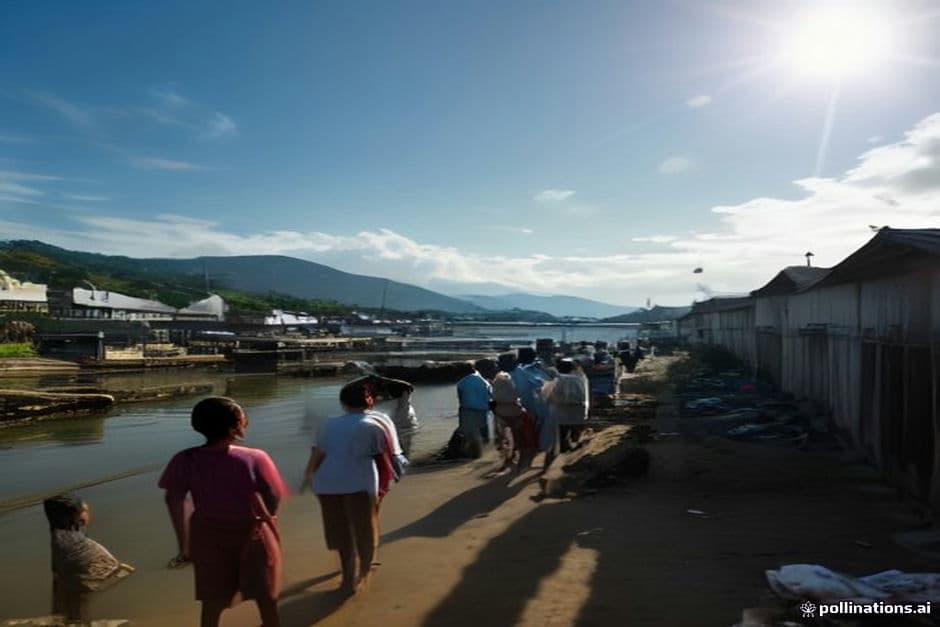
Residents Rally for Improved Sanitation in North Bali's Singaraja
In Singaraja, local residents are banding together to address long-standing sanitation issues in their neighborhoods. This community-driven initiative aims to enhance public health and environmental conditions through collaborative efforts with local government agencies.

Emerging Career Paths: Bali's Focus on Digital Skills and Local Talent
Bali is witnessing a significant shift towards digital skills training to meet the demands of its evolving job market. Local initiatives are empowering residents, particularly youth, with the necessary tools to thrive in an increasingly competitive economy.
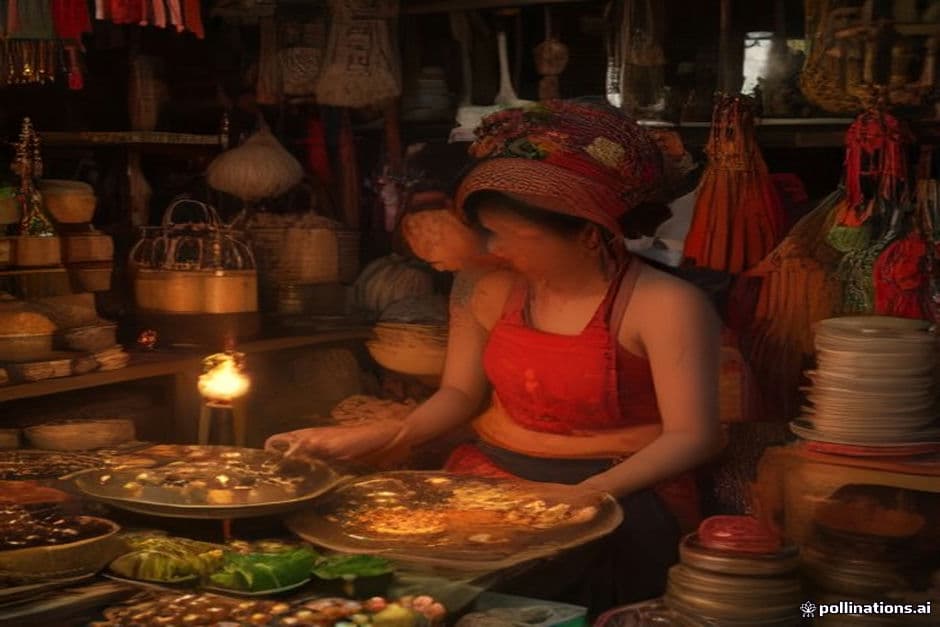
Cultural Clash: The Impact of Bali's Tourism Boom on Local Livelihoods
As Bali's tourism industry rebounds post-pandemic, local communities face challenges in preserving their cultural identity. This article explores the growing tension between cultural preservation and the rising demand for authentic experiences from visitors.
Comments (0)
No comments yet. Be the first!