Bali's Community-Led Initiatives Drive Urban Green Spaces Growth
Bali is witnessing a significant increase in urban green spaces, with over 30 new community gardens launched in the past year. These initiatives are fostering community engagement and environmental sustainability across the island.
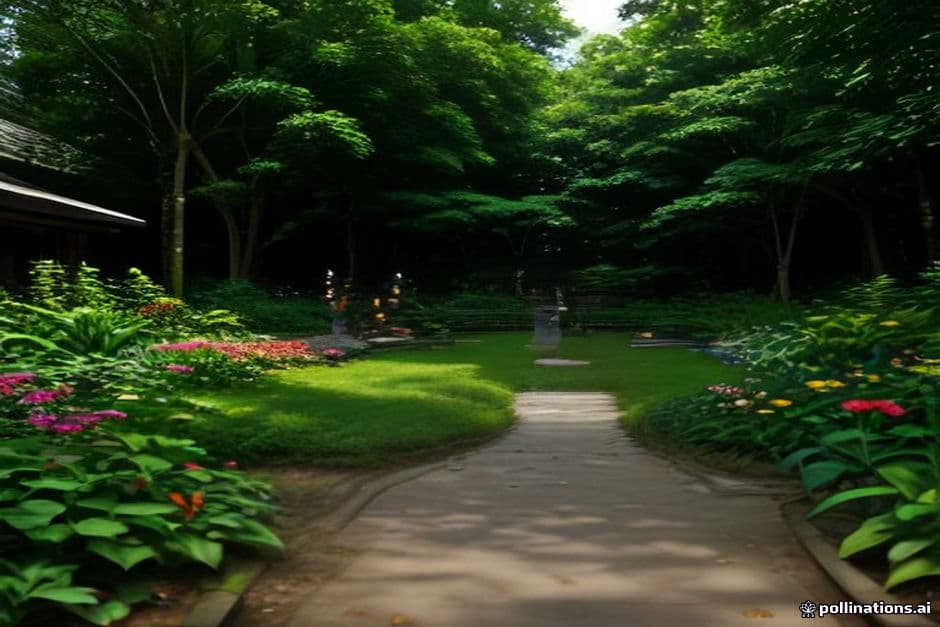
In a remarkable shift towards sustainability, Bali has seen a 40% increase in urban green spaces over the past year, with the establishment of over 30 new community gardens across various districts. These initiatives not only enhance the island's greenery but also promote community cohesion, environmental education, and local food production.
The trend is driven by a coalition of local governments, non-profit organizations, and citizen activists, emphasizing the importance of green spaces in urban settings. For example, Denpasar has led the way, transforming vacant lots and underutilized public areas into vibrant gardens that serve as both recreational and educational hubs. The city’s initiative has resulted in the creation of five new community gardens, directly benefiting over 1,500 residents.
One notable project is the "Green Corner" initiative, launched in early 2023, which encourages residents to cultivate their own plots within community gardens. This program has attracted participation from various demographics, including families, schools, and local businesses. According to the Denpasar Environment Agency, the initiative has led to a 25% increase in community engagement in environmental activities, showcasing the effectiveness of grassroots movements in fostering sustainability.
Moreover, these gardens are not just about beautification; they play a crucial role in addressing food security issues. With rising food prices and supply chain disruptions, local production has become essential. The community gardens provide fresh produce, reducing dependency on external sources, and promoting healthier eating habits. A recent survey indicated that 70% of participants reported an improvement in their dietary habits due to access to fresh vegetables and fruits.

In addition to food security, these green spaces contribute significantly to biodiversity conservation. By planting native species, communities are restoring natural habitats that support local wildlife. Eco-activist groups have noted a resurgence in local bird populations and pollinators in areas surrounding community gardens. This not only enhances urban biodiversity but also raises awareness about the importance of preserving native flora and fauna.
On the cultural front, these gardens serve as venues for community events, workshops, and educational programs. Local schools have begun organizing field trips to these gardens, where students learn about sustainable farming practices and the importance of environmental stewardship. Such initiatives are crucial for instilling a sense of responsibility towards nature in the younger generation, ensuring the longevity of these efforts.
However, the growth of urban green spaces is not without challenges. Limited funding and land availability pose significant barriers to the expansion of these initiatives. Local governments are urged to allocate more resources towards the maintenance and development of existing gardens. Collaboration with private sectors and NGOs is also essential to secure funding and expertise for these projects.

Looking ahead, community leaders and environmental advocates are calling for a strategic plan that prioritizes the creation of green spaces in urban development projects. They emphasize that integrating nature into urban planning can improve air quality, reduce heat islands, and enhance overall quality of life for residents. As Bali continues to evolve, the push for greener cities is becoming increasingly vital, ensuring that the island remains a sustainable paradise for generations to come.
In conclusion, Bali's community-led urban green spaces are a testament to the power of collective action in addressing local challenges. With the support of local governments and active community participation, the island is setting a precedent for sustainable urban living that could inspire similar initiatives across Indonesia.



Read Also from Other Categories
Canggu's Culinary Scene Redefines Dining as Tourists Seek Unique Flavors
Canggu is experiencing a culinary renaissance, attracting food enthusiasts eager for authentic dining experiences. The fusion of local ingredients with international cuisine is reshaping the area's gastronomic landscape, drawing both tourists and locals alike.

Transforming Bali's Public Services: AI Integration Gains Momentum
The Bali provincial government is ramping up efforts to integrate artificial intelligence into public services, aiming for a more efficient administrative process. This shift reflects a growing trend across Indonesia as local governments adopt digital solutions to enhance service delivery.

Investment Landscape Shifts as Bali Attracts Tech-Focused Funds
Bali is witnessing a significant influx of investment in tech startups, reshaping its economic landscape. This trend highlights the island's growing reputation as a hub for innovation and digital solutions.

Unexpected Water Supply Crisis Hits Bali Amid Rising Demand and Climate Change
Bali faces a critical water supply shortage, with demand increasing by 25% year-over-year. Local officials are mobilizing to address the crisis as climate change exacerbates existing challenges.

Job Opportunities in Bali's Agriculture Sector: A Path to Sustainability
Bali's agriculture sector is undergoing a transformation, presenting new job opportunities to locals. With a focus on sustainable practices, training programs are paving the way for a greener future in employment.
Rethinking Bali's Digital Nomad Policies: A Call for Sustainable Integration
Bali's digital nomad community has surged by 35% in the past year, prompting discussions on the need for more structured policies. Experts argue that without strategic planning, the influx could strain local resources and cultural integrity.
Comments (0)
No comments yet. Be the first!