Balinese Village Tourism: A New Trend in Authentic Visitor Experiences
In the heart of Bali, local villages are emerging as prime destinations for tourists seeking authentic experiences. These hidden gems offer a unique glimpse into Balinese culture, from traditional crafts to community-led tours.
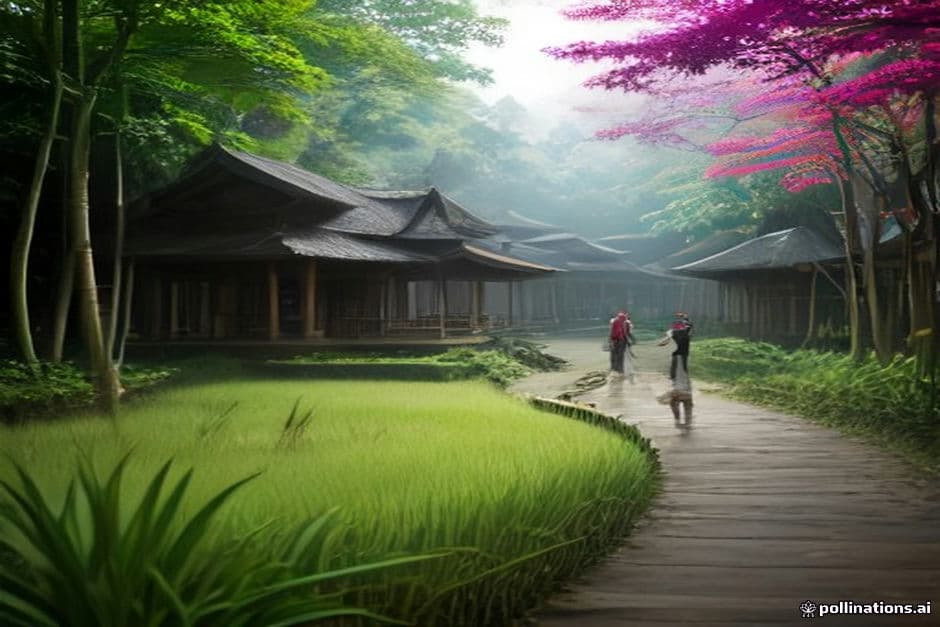
Nestled among the lush rice paddies and serene temples of central Bali, the village of Penglipuran is transforming into a vibrant hub for tourism, drawing visitors eager for authentic cultural experiences. As tourists increasingly seek connections to local traditions, Penglipuran’s community is stepping up, showcasing their unique way of life to the world. Walking through the village's pristine bamboo pathways, the air is filled with the scent of incense, and the sounds of gamelan music create a welcoming atmosphere that invites exploration.
"We want to share our culture and traditions, not just sell souvenirs," says Made Suardika, a local artisan who crafts traditional bamboo handicrafts. His workshop, adorned with intricate designs, has become a must-visit for tourists looking to understand the art behind each piece. As he demonstrates the crafting process, visitors gather around, captivated by the skill and passion that goes into each creation.
This shift towards village tourism is not only beneficial for visitors but also for the local economy. In the past year, Penglipuran has seen a 40% increase in tourist arrivals, with many travelers opting for homestays that allow them to immerse themselves in daily Balinese life. The local government has recognized this trend and is actively promoting village tourism as part of a broader strategy to diversify Bali's tourism offerings.
Surrounding villages such as Trunyan and Tegalalang are also embracing this movement. Trunyan, known for its unique burial practices and ancient traditions, offers guided tours that provide insight into its ceremonial rites, allowing visitors to witness customs passed down through generations. Meanwhile, Tegalalang, famous for its iconic rice terraces, has introduced workshops where tourists can learn about traditional farming techniques and participate in planting activities.

The impact of this trend is palpable. Local businesses are thriving, with small eateries serving traditional Balinese dishes seeing a boost in customers. Warung Makan Sari, a quaint family-run restaurant in Tegalalang, has reported a 50% increase in sales since they began offering cooking classes alongside their meals. "Tourists love to learn how to make our dishes, and they come back to eat after the class," shares owner Nyoman Wayan.
However, this rapid growth brings challenges as well. The influx of tourists has raised concerns about sustainability and the potential dilution of local culture. Community leaders are aware of the fine line they must tread. "We want to welcome visitors but also protect our traditions and way of life," says Ketut Arimbawa, the village head of Penglipuran. The village has implemented measures to limit the number of visitors during peak times and promote responsible tourism practices.
As more villages in Bali adopt similar initiatives, the landscape of tourism is shifting. Local festivals, such as the annual Taro Festival in Tabanan, are being revitalized, drawing both tourists and locals together to celebrate Balinese culture. This festival, which showcases traditional dance, music, and food, has seen a surge in participation, with attendance doubling over the past three years.

The rise of village tourism aligns with global trends favoring experiential travel. According to a recent study by the UN World Tourism Organization, 62% of travelers are now looking for authentic experiences that connect them to local cultures. Bali’s villages are uniquely positioned to meet this demand, offering visitors a chance to participate in daily life rather than simply observing from a distance.
As the sun sets over the rice fields, casting a golden hue across the landscape, it becomes clear that the future of Bali's tourism lies not in crowded beaches or luxury resorts, but in the heart of its villages. Here, the warmth of Balinese hospitality and the richness of cultural heritage await those willing to explore beyond the traditional tourist paths.



Read Also from Other Categories

Public Health Policy Overhaul: Bali's Bold Steps Toward Enhanced Services
Bali's provincial government is set to revamp its public health policies, aiming for a 30% increase in healthcare accessibility by 2025. This initiative, announced by Governor Wayan Koster, focuses on improving infrastructure and community health programs across the island.

Investment Landscape Shifts as Bali Attracts Tech-Focused Funds
Bali is witnessing a significant influx of investment in tech startups, reshaping its economic landscape. This trend highlights the island's growing reputation as a hub for innovation and digital solutions.

Bali Grapples with Increasing Risks of Infrastructure Failures Amid Heavy Rains
As Bali experiences a surge in heavy rainfall, infrastructure failures are becoming a pressing concern for both residents and authorities. Emergency services are mobilizing resources to address the challenges posed by deteriorating roads and flooding in key areas.
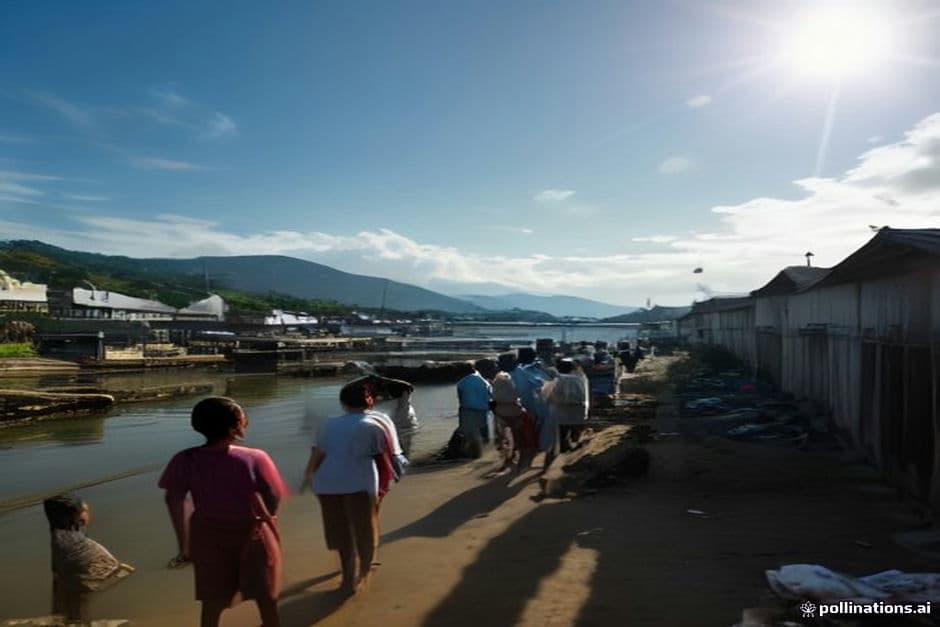
Residents Rally for Improved Sanitation in North Bali's Singaraja
In Singaraja, local residents are banding together to address long-standing sanitation issues in their neighborhoods. This community-driven initiative aims to enhance public health and environmental conditions through collaborative efforts with local government agencies.

Emerging Career Paths: Bali's Focus on Digital Skills and Local Talent
Bali is witnessing a significant shift towards digital skills training to meet the demands of its evolving job market. Local initiatives are empowering residents, particularly youth, with the necessary tools to thrive in an increasingly competitive economy.
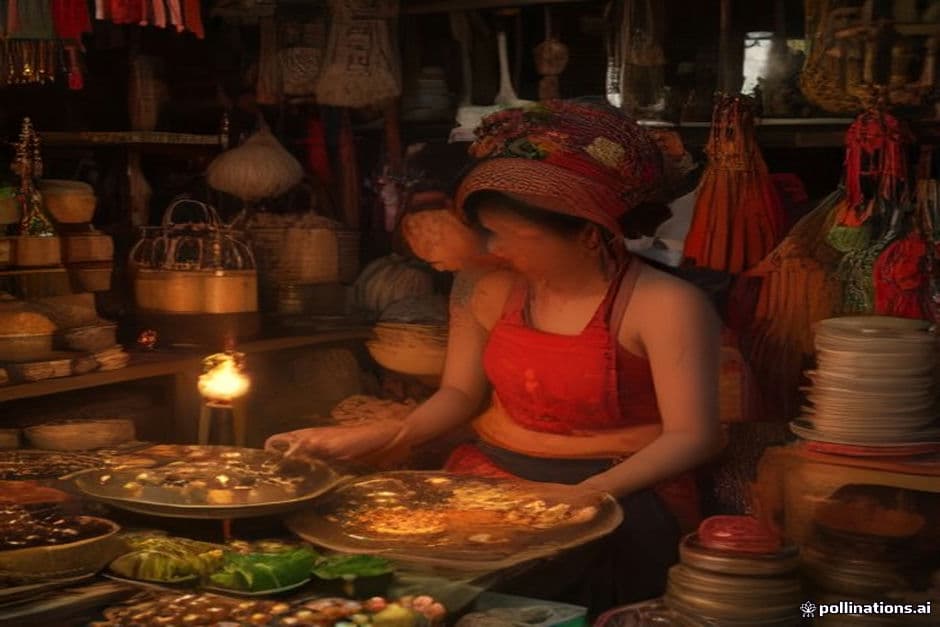
Cultural Clash: The Impact of Bali's Tourism Boom on Local Livelihoods
As Bali's tourism industry rebounds post-pandemic, local communities face challenges in preserving their cultural identity. This article explores the growing tension between cultural preservation and the rising demand for authentic experiences from visitors.
Comments (0)
No comments yet. Be the first!