Emerging Career Paths: Bali's Focus on Digital Skills and Local Talent
Bali is witnessing a significant shift towards digital skills training to meet the demands of its evolving job market. Local initiatives are empowering residents, particularly youth, with the necessary tools to thrive in an increasingly competitive economy.
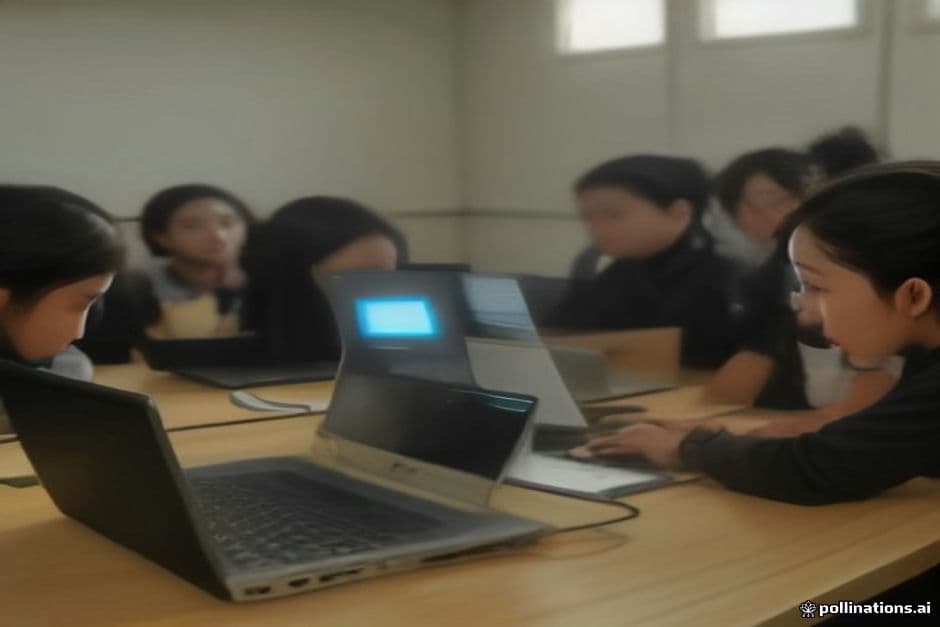
Bali's job market is evolving rapidly, driven by a clear focus on digital skills training and the empowerment of local talent. As the island continues to recover from the impacts of the pandemic, various institutions and organizations are stepping up to provide training programs aimed at enhancing the employability of residents, especially the youth.
In recent months, there has been a notable surge in demand for digital skills across multiple sectors, including tech, tourism, and creative industries. This shift is largely attributed to the growing reliance on technology in business operations and the increasing presence of digital nomads in Bali, who bring a wealth of expertise and opportunities. As a result, local job seekers are finding themselves at a crossroads where traditional skills may no longer suffice.
To address this gap, several educational institutions, including Udayana University and local vocational schools, have launched tailored programs focused on digital marketing, software development, graphic design, and e-commerce. These initiatives aim to equip students and job seekers with practical skills that align with current market demands. According to a recent report from the Bali Manpower Agency, over 4,000 training spots have been made available across various programs in the last year alone.
Moreover, community-based organizations have also joined the effort to foster local talent. Initiatives such as the Bali Digital Hub in Denpasar are providing free workshops and mentorship opportunities for aspiring entrepreneurs and freelancers. The hub focuses on teaching essential skills like coding, social media management, and content creation, which are critical in today's job market.

In addition to training programs, local governments are collaborating with private sectors to host job fairs aimed at connecting trained individuals with potential employers. The Bali Employment Fair, held annually in Denpasar, recently featured over 100 companies looking to hire local talent. The fair not only highlights available job opportunities but also serves as a platform for networking and skill enhancement.
As Bali's economy continues to diversify, particularly with the influx of digital nomads and remote workers, the need for a highly skilled workforce is becoming increasingly evident. Employers are actively seeking candidates who possess a blend of technical skills and cultural awareness. This creates a unique opportunity for local residents to harness their cultural background while adapting to modern business practices.
The push for digital skills is also supported by government initiatives aimed at fostering entrepreneurship among the youth. Programs providing microloans and business training are gaining traction, with many young Balinese now venturing into startups that cater to both local and international markets. The Bali Startup Network, for instance, has seen a 30% increase in applications from young entrepreneurs in the past year.

However, challenges remain. Despite the growth in training opportunities, there is still a significant gap in access to technology and high-quality internet services in rural areas. Local authorities are working to bridge this digital divide, recognizing that equitable access to resources is essential for sustainable economic development.
In conclusion, Bali's concerted effort to enhance digital skills among its population is paving the way for a more resilient job market. As local initiatives continue to flourish, the emphasis on empowering residents with the necessary tools to succeed in the digital economy will be crucial. The future of Bali's workforce looks promising, provided that the momentum of training and development is sustained in the coming years.



Read Also from Other Categories

Exploring Bali's Culinary Festivals: A Feast for Tourists and Locals Alike
Bali's culinary festivals are transforming the island into a gastronomic paradise, drawing food lovers from around the globe. These vibrant events not only celebrate local cuisine but also boost tourism and engage the community.

Public Health Policy Overhaul: Bali's Bold Steps Toward Enhanced Services
Bali's provincial government is set to revamp its public health policies, aiming for a 30% increase in healthcare accessibility by 2025. This initiative, announced by Governor Wayan Koster, focuses on improving infrastructure and community health programs across the island.

Investment Landscape Shifts as Bali Attracts Tech-Focused Funds
Bali is witnessing a significant influx of investment in tech startups, reshaping its economic landscape. This trend highlights the island's growing reputation as a hub for innovation and digital solutions.

Bali Grapples with Increasing Risks of Infrastructure Failures Amid Heavy Rains
As Bali experiences a surge in heavy rainfall, infrastructure failures are becoming a pressing concern for both residents and authorities. Emergency services are mobilizing resources to address the challenges posed by deteriorating roads and flooding in key areas.
Residents Rally for Improved Sanitation in North Bali's Singaraja
In Singaraja, local residents are banding together to address long-standing sanitation issues in their neighborhoods. This community-driven initiative aims to enhance public health and environmental conditions through collaborative efforts with local government agencies.

Cultural Clash: The Impact of Bali's Tourism Boom on Local Livelihoods
As Bali's tourism industry rebounds post-pandemic, local communities face challenges in preserving their cultural identity. This article explores the growing tension between cultural preservation and the rising demand for authentic experiences from visitors.
Comments (0)
No comments yet. Be the first!