Innovative Water Management Strategies Address Bali's Scarcity Crisis
Bali's growing water scarcity has prompted local governments and communities to implement innovative water management strategies. These initiatives aim to balance the needs of agriculture, tourism, and the local population while preserving the island's natural resources.

Bali is facing a critical water scarcity crisis that has intensified due to rapid tourism growth and climate change. In response, local governments and community groups have launched innovative water management strategies aimed at conserving resources and ensuring sustainable access to clean water for residents and visitors alike.
The island’s water supply has been under significant stress, particularly in tourist-heavy areas like Seminyak and Canggu, where the demand for water has skyrocketed. According to the Bali Water Authority, the island's water consumption has surged by over 30% in the last decade, driven largely by the booming tourism sector and agricultural demands. This alarming trend has prompted officials to explore comprehensive strategies to improve water conservation and management.
One such initiative is the introduction of rainwater harvesting systems in local communities. These systems, designed to capture and store rainwater for use during the dry season, have been implemented in various villages across the island. The program, supported by the local government and NGOs, aims to educate residents about sustainable water practices and reduce dependency on groundwater sources, which are rapidly depleting. In Ubud, for instance, community workshops have been held to demonstrate how to install and maintain these systems, helping households save on water bills while contributing to the island's overall water sustainability.
In addition to rainwater harvesting, the Bali government has initiated a pilot project aimed at revitalizing traditional irrigation practices known as Subak. This ancient system, which dates back centuries, utilizes a network of canals to distribute water efficiently to rice fields. As part of the revitalization effort, the government has allocated funds to repair and maintain existing canals, ensuring that water reaches agricultural areas effectively. This not only supports local farmers but also preserves an essential aspect of Balinese culture and heritage.

Local businesses and hotels are also getting involved in these water management efforts. Many establishments have begun implementing water-saving technologies, such as low-flow fixtures and greywater recycling systems. For example, a leading resort in Nusa Dua has reported a 40% reduction in water usage by adopting these measures, which not only helps the environment but also reduces operational costs. Such practices are becoming increasingly popular as more businesses recognize the importance of sustainability in attracting eco-conscious travelers.
However, the success of these initiatives largely depends on community involvement and awareness. The Bali Water Authority has emphasized the need for public education campaigns to inform residents about the importance of water conservation. Recent surveys indicate that while many residents are aware of the water crisis, a significant portion remains uninformed about effective conservation practices. To address this gap, local government officials are collaborating with educational institutions to integrate water management topics into school curricula.
Environmentalists and community leaders have expressed optimism about the future of Bali’s water resources. They believe that with continued collaboration between the government, local communities, and businesses, the island can overcome its water challenges. As one local environmental advocate noted, “By working together, we can create a sustainable future where both our people and our environment thrive.”

Looking ahead, Bali's government plans to expand its water management initiatives further. Upcoming projects include the installation of smart water meters to monitor usage and pinpoint leaks, as well as partnerships with international organizations to explore advanced desalination technologies. These efforts aim to create a robust framework for managing water resources that can adapt to the changing climate and increasing population.
As Bali continues to navigate its water scarcity challenges, the commitment to innovative solutions and community involvement will be critical. The island's ability to harmonize the demands of its booming tourism industry with the needs of its residents will ultimately determine the success of these initiatives and the sustainability of its precious water resources.

Read Also from Other Categories

Reviving Bali's Traditional Arts: A Pathway to Sustainable Tourism Growth
Bali is witnessing a resurgence in traditional arts as local artisans embrace innovation to attract tourists. This revival not only supports cultural heritage but also contributes to the island's sustainable tourism goals.

Jakarta's New Policies Spark Controversy Over Bali's Agricultural Future
Recent agricultural policies from Jakarta are causing a stir in Bali, raising concerns among local farmers about their livelihoods. The provincial government is pushing back against regulations perceived as detrimental to traditional practices and food security.
Investors Eye Bali's Eco-Tourism Ventures Amid Rising Global Consciousness
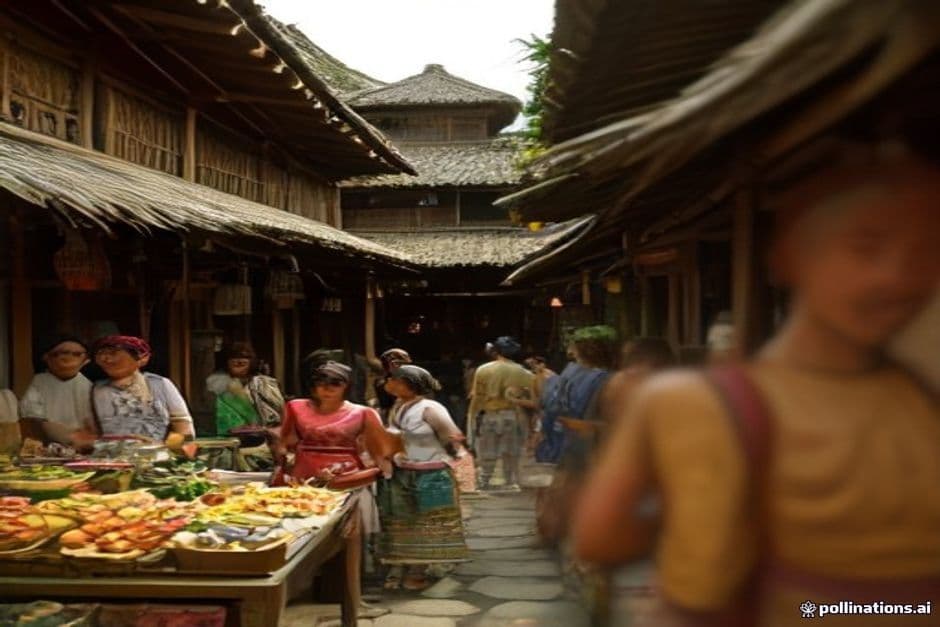
As eco-tourism gains traction worldwide, Bali emerges as a hotspot for investments in sustainable travel ventures. Local entrepreneurs and international investors alike are capitalizing on the island's natural beauty and cultural richness to promote environmental responsibility.

Emergency Preparedness in Bali: A Community Focus Amid Natural Threats
As climate change intensifies weather patterns, Bali's communities are stepping up emergency preparedness measures. Local authorities emphasize the importance of readiness as the island faces increased risks from natural disasters.
Skill Development Initiatives Spark Job Growth Across Bali's Industries
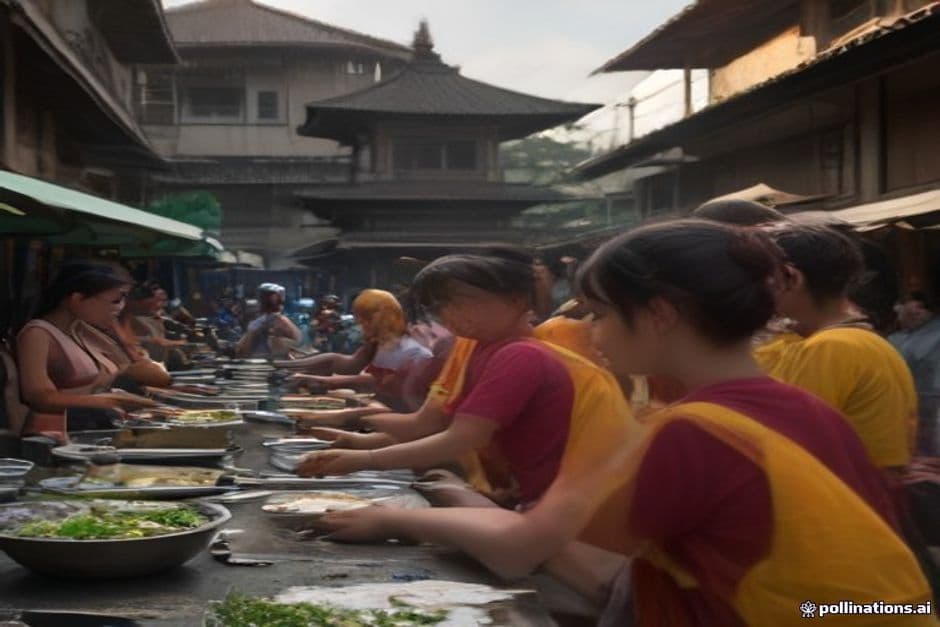
Bali is witnessing a surge in job training programs aimed at enhancing workforce skills. Local businesses and educational institutions are collaborating to address employment challenges and meet industry demands.

In Ubud, the Intersection of Art and Technology Sparks New Culture
As artists in Ubud embrace digital platforms, a cultural renaissance unfolds that blends traditional Balinese artistry with modern technology. This shift is redefining not only art consumption but also local community dynamics.
Comments (0)
No comments yet. Be the first!