Exploring Bali's Rebirth: How Local Communities Shape Tourism's Future
Bali's tourism is undergoing a transformation as local communities increasingly take the reins of cultural and eco-tourism initiatives. This shift not only enriches the visitor experience but also empowers Balinese residents, ensuring a sustainable future for the island's tourism industry.

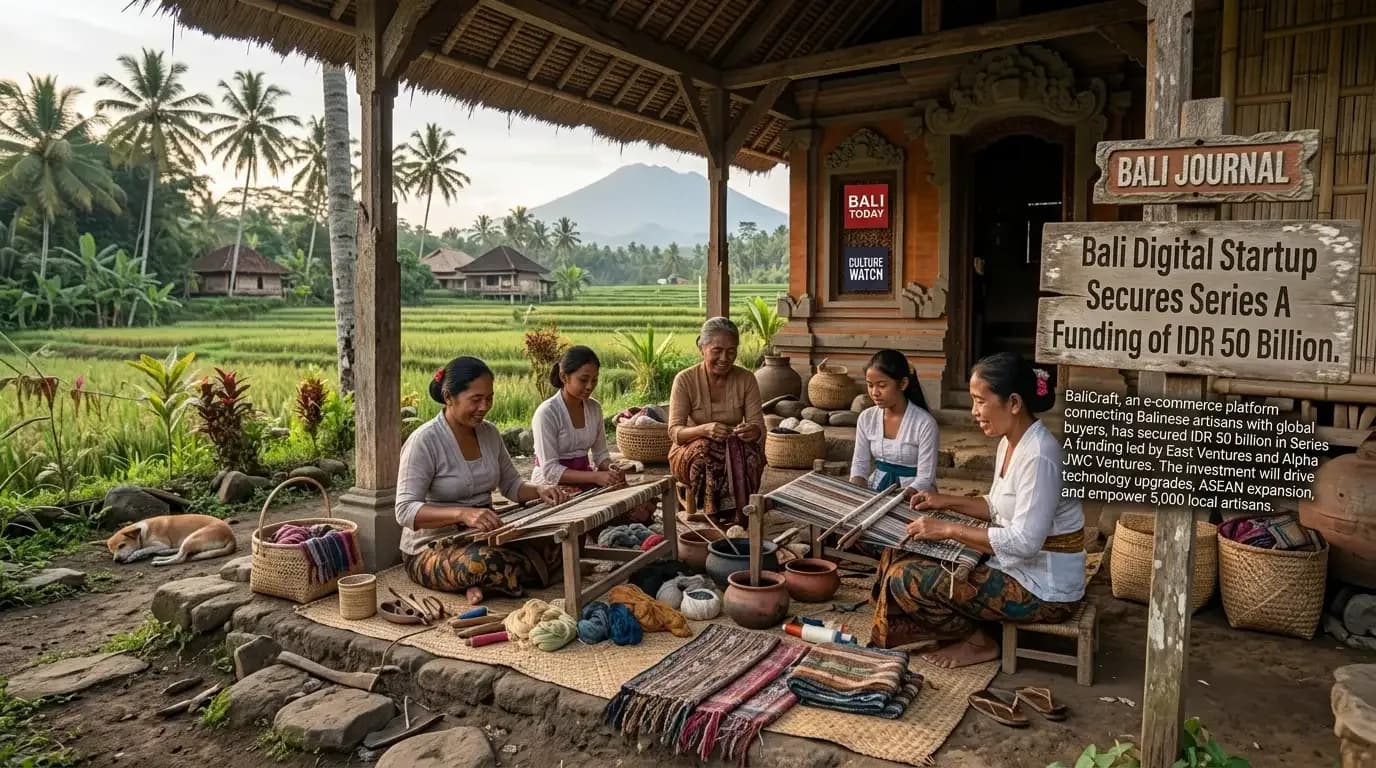
As the sun rises over the lush rice terraces of Ubud, the sound of roosters crowing fills the air, accompanied by the faint hum of cicadas. In the heart of a small village, a group of locals gathers near a traditional balé, or pavilion, preparing for the day’s activities. They are not just farmers or artisans; they are the vanguard of a new wave of tourism that prioritizes local culture and sustainability.
This scene epitomizes a broader trend sweeping through Bali’s tourism industry: a grassroots movement that empowers local communities to shape the tourist experience. With increasing awareness among travelers about the impacts of their visits, there is a growing demand for authentic experiences that connect them to the culture and people of the destinations they visit.
The Balinese community has long relied on tourism as a primary source of income. However, the past few years have seen a significant shift in the dynamics of this relationship. Instead of merely catering to tourists, local residents are now taking the initiative to curate experiences that reflect their heritage, beliefs, and lifestyles. From guided village tours to traditional cooking classes, these offerings provide visitors with a genuine taste of Balinese life.
One such initiative is the “Bali Community Experience” program, which was launched in 2025. This program connects tourists with local families willing to share their customs and daily routines. “We want visitors to leave with more than just photos; we want them to carry a piece of our culture with them,” says Wayan, a local guide who leads these immersive experiences. His passion for his heritage is palpable as he explains the rituals surrounding rice cultivation and the significance of offerings in Balinese Hinduism.

Hotel and restaurant owners are also recognizing the economic and social benefits of supporting local artisans and farmers. For example, the newly opened Hotel Taksu in Canggu has committed to sourcing all its ingredients from local producers, ensuring that their guests enjoy fresh, authentic Balinese cuisine while supporting the community. “It’s about creating a symbiotic relationship,” explains the hotel manager. “When our guests enjoy the local flavors, they also help sustain the livelihoods of the people who produce them.”
The impact of these local initiatives is evident in the rising number of visitors seeking out authentic experiences. In 2025, approximately 30% of tourists opted for community-driven tours, a significant increase from previous years. This trend is not just about cultural enrichment; it also addresses the pressing need for sustainability in Bali’s tourism sector. As the island grapples with the challenges of over-tourism, community-led initiatives are proving to be a viable solution.
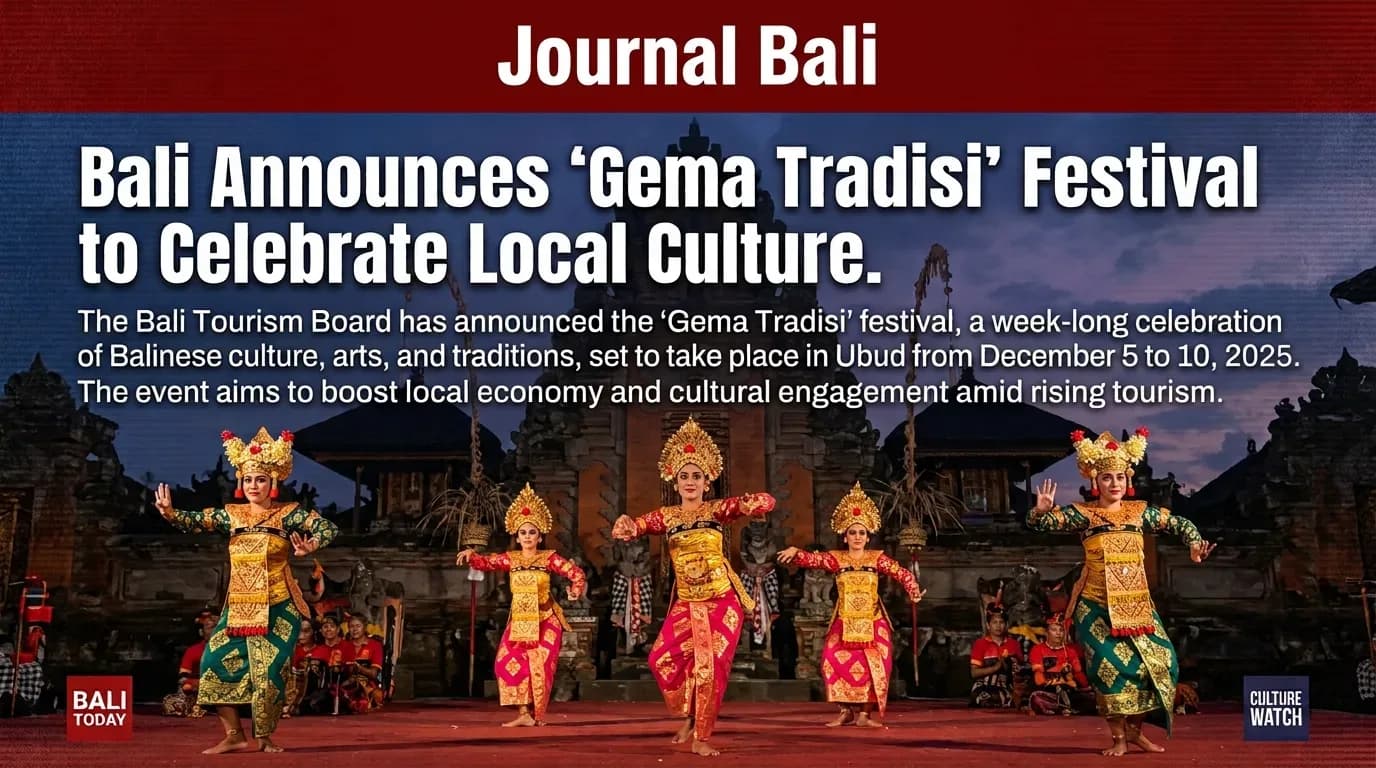
Moreover, festivals and cultural events are being reimagined to include more local participation. The Bali Arts Festival, for instance, has expanded its program to feature performances from local artists and musicians, showcasing the rich tapestry of Balinese culture. This shift not only enhances the festival’s authenticity but also supports local talent. “It’s important for us to celebrate our culture in a way that includes everyone,” says one organizer. “We want our visitors to feel like they are part of the celebration, not just spectators.”

However, with this new paradigm comes challenges. The influx of tourists can lead to tensions between traditional practices and modern tourism demands. In some areas, locals are concerned that the commercialization of their culture may dilute its authenticity. Efforts to strike a balance are crucial, as community leaders work to establish guidelines that protect their cultural heritage while embracing the opportunities tourism brings.
As Bali continues to evolve, the role of local communities in shaping the tourism landscape will be paramount. By fostering genuine connections between visitors and locals, the island not only enhances the tourist experience but also creates a more sustainable and equitable future for its residents. This transformative approach to tourism is a testament to the resilience and adaptability of the Balinese people, ensuring that their culture remains vibrant and alive for generations to come.
Looking ahead, the challenge will be to sustain this momentum. Local communities need ongoing support from both the government and the tourism sector to thrive. Initiatives focused on education and capacity building for locals will be essential in empowering them to manage their own tourism offerings. As travelers become more discerning, the demand for authentic, community-driven experiences will likely continue to grow, paving the way for a new era in Bali’s tourism industry.

Read Also from Other Categories

Jakarta's New Policies Spark Controversy Over Bali's Agricultural Future
Recent agricultural policies from Jakarta are causing a stir in Bali, raising concerns among local farmers about their livelihoods. The provincial government is pushing back against regulations perceived as detrimental to traditional practices and food security.
Investors Eye Bali's Eco-Tourism Ventures Amid Rising Global Consciousness
As eco-tourism gains traction worldwide, Bali emerges as a hotspot for investments in sustainable travel ventures. Local entrepreneurs and international investors alike are capitalizing on the island's natural beauty and cultural richness to promote environmental responsibility.

Emergency Preparedness in Bali: A Community Focus Amid Natural Threats
As climate change intensifies weather patterns, Bali's communities are stepping up emergency preparedness measures. Local authorities emphasize the importance of readiness as the island faces increased risks from natural disasters.

Innovative Water Management Strategies Address Bali's Scarcity Crisis
Bali's growing water scarcity has prompted local governments and communities to implement innovative water management strategies. These initiatives aim to balance the needs of agriculture, tourism, and the local population while preserving the island's natural resources.
Skill Development Initiatives Spark Job Growth Across Bali's Industries
Bali is witnessing a surge in job training programs aimed at enhancing workforce skills. Local businesses and educational institutions are collaborating to address employment challenges and meet industry demands.

In Ubud, the Intersection of Art and Technology Sparks New Culture
As artists in Ubud embrace digital platforms, a cultural renaissance unfolds that blends traditional Balinese artistry with modern technology. This shift is redefining not only art consumption but also local community dynamics.
Comments (0)
No comments yet. Be the first!