Jakarta's New Policies Spark Controversy Over Bali's Agricultural Future
Recent agricultural policies from Jakarta are causing a stir in Bali, raising concerns among local farmers about their livelihoods. The provincial government is pushing back against regulations perceived as detrimental to traditional practices and food security.

In the heart of Ubud, the rhythmic sound of a rice thresher echoes through the lush green fields as local farmers gather to process their harvest. The warm morning sun casts a golden hue over the landscape, but beneath this picturesque scene lies a growing tension that could reshape Bali's agricultural future.
As Jakarta rolls out new agricultural policies aimed at modernizing food production across Indonesia, many in Bali are voicing their apprehensions. Farmers, accustomed to traditional methods passed down through generations, find themselves at a crossroads as regulations threaten to overshadow their practices. Governor Wayan Koster has been vocal about his concerns, asserting that these policies could undermine local agriculture.
“Our farmers have cultivated these lands for centuries,” Koster stated during a recent press conference in Renon. “We cannot allow external policies to dictate how we manage our resources and our heritage.” His sentiments resonate with many Balinese who fear losing their cultural identity amid a sweeping modernization agenda.
One of the contentious points is the mandated shift towards monoculture practices, which Jakarta believes will boost productivity. However, this approach is met with fierce resistance from local agricultural experts who argue that it compromises biodiversity and the resilience of Bali's ecosystems. “Traditional polyculture not only supports a variety of crops but also strengthens soil health,” explains Dr. Made Suardika, an agronomist at Udayana University. “If these policies go through, we risk losing our agricultural diversity.”
With Bali’s economy heavily reliant on agriculture, especially rice production, the stakes are high. Approximately 80% of the local population depends on agriculture for their livelihood. The fear of losing this vital source of income is palpable among farmers in places like Tabanan and Jembrana, where rice paddies stretch as far as the eye can see.

Recent surveys conducted by local agricultural associations indicate that nearly 65% of farmers oppose the new regulatory framework, citing concerns over production costs and the potential for increased dependency on chemical inputs. Many farmers are already facing challenges such as rising costs and climate change impacts, making them wary of further regulatory burdens.
In response to mounting pressure, the Bali provincial government has initiated discussions with Jakarta to advocate for a more tailored approach that respects local traditions and practices. The proposed Bali Agricultural Policy aims to incorporate sustainable practices while addressing the needs of both local farmers and national food security goals.
“We are not against modernization, but it must be done in a way that honors our agricultural traditions,” Koster emphasized. “We need policies that empower our farmers, not ones that alienate them.”
As these discussions unfold, the provincial government is also exploring alternative funding sources to support farmers transitioning to sustainable practices. Initiatives such as community-supported agriculture and organic farming workshops are being rolled out to equip local farmers with the necessary skills and resources.

The tension between local needs and national directives is not new in Bali. Similar conflicts have arisen in the past around tourism development and land use policies. However, the agricultural sector is particularly sensitive, given its deep-rooted cultural significance.
As the sun sets over the rice fields, casting long shadows across the landscape, farmers continue to toil, determined to preserve their way of life. The outcome of this ongoing dialogue with Jakarta holds significant implications for the future of farming in Bali, as well as for the island’s cultural heritage.
Looking ahead, the stakes remain high for Bali's farmers. Will Jakarta's policies adapt to respect local practices, or will they push Bali's agricultural heritage to the brink of extinction? Only time will tell, but for now, the farmers of Bali remain resolute, standing firm against a tide of regulation that threatens their livelihoods.

Read Also from Other Categories

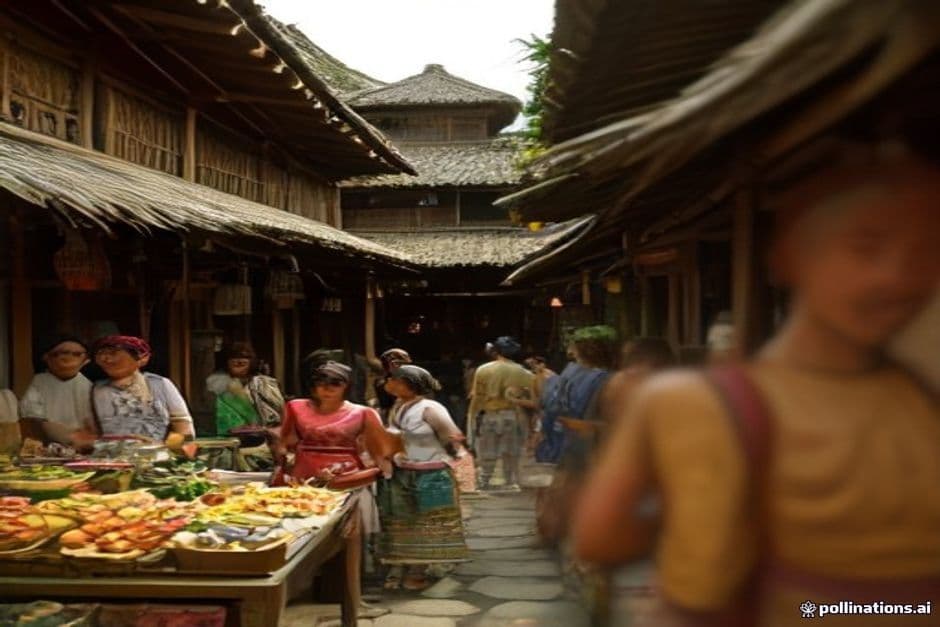
Reviving Bali's Traditional Arts: A Pathway to Sustainable Tourism Growth
Bali is witnessing a resurgence in traditional arts as local artisans embrace innovation to attract tourists. This revival not only supports cultural heritage but also contributes to the island's sustainable tourism goals.
Investors Eye Bali's Eco-Tourism Ventures Amid Rising Global Consciousness
As eco-tourism gains traction worldwide, Bali emerges as a hotspot for investments in sustainable travel ventures. Local entrepreneurs and international investors alike are capitalizing on the island's natural beauty and cultural richness to promote environmental responsibility.

Emergency Preparedness in Bali: A Community Focus Amid Natural Threats
As climate change intensifies weather patterns, Bali's communities are stepping up emergency preparedness measures. Local authorities emphasize the importance of readiness as the island faces increased risks from natural disasters.

Innovative Water Management Strategies Address Bali's Scarcity Crisis
Bali's growing water scarcity has prompted local governments and communities to implement innovative water management strategies. These initiatives aim to balance the needs of agriculture, tourism, and the local population while preserving the island's natural resources.
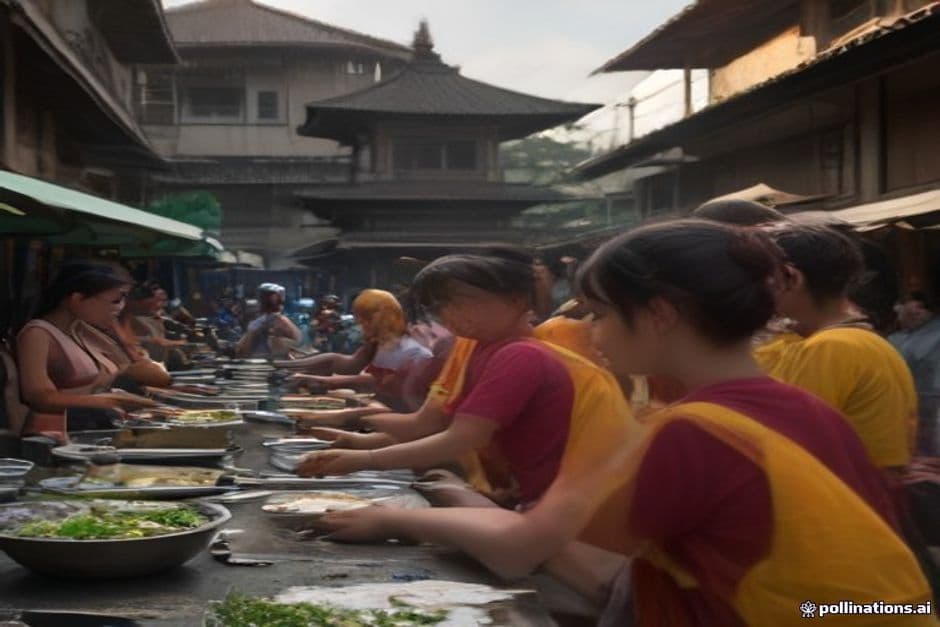
Skill Development Initiatives Spark Job Growth Across Bali's Industries
Bali is witnessing a surge in job training programs aimed at enhancing workforce skills. Local businesses and educational institutions are collaborating to address employment challenges and meet industry demands.
In Ubud, the Intersection of Art and Technology Sparks New Culture
As artists in Ubud embrace digital platforms, a cultural renaissance unfolds that blends traditional Balinese artistry with modern technology. This shift is redefining not only art consumption but also local community dynamics.
Comments (0)
No comments yet. Be the first!