Job Training Programs Innovate Bali's Workforce Development Landscape
Bali's job training programs are evolving to meet the demands of a changing economy, focusing on tech and service sectors. These initiatives aim to enhance employability and support local communities in navigating the post-pandemic job market.
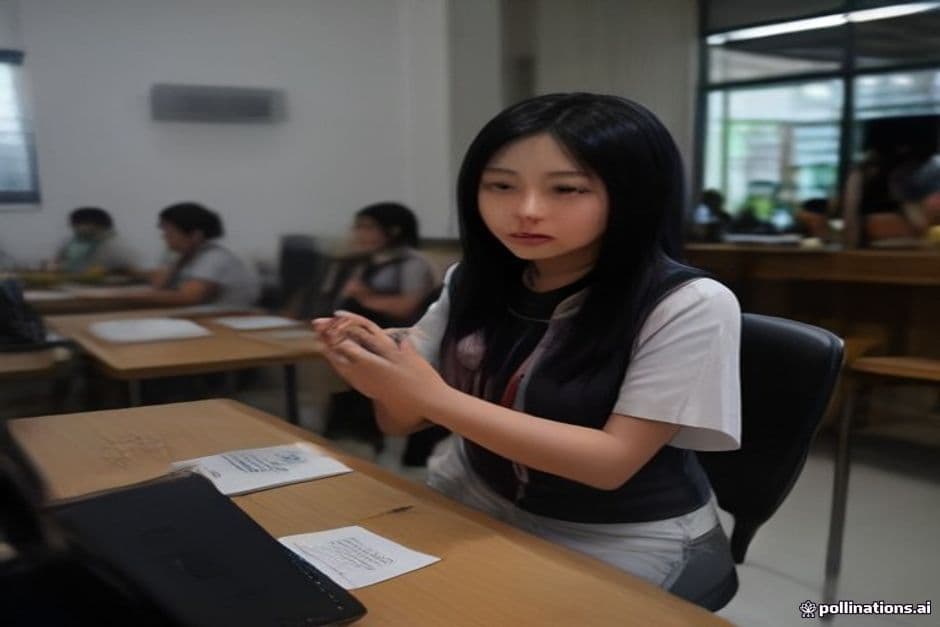
Bali is witnessing a transformation in its workforce development landscape as job training programs adapt to the evolving economic needs. With a focus on both the technology and service sectors, these initiatives are not only enhancing employability but also supporting local communities in navigating the complexities of a post-pandemic job market. The integration of new training curriculums is essential as Bali seeks to provide its residents with the skills necessary to thrive in the modern economy.
In recent months, local government and private organizations have collaborated to launch a series of comprehensive training programs aimed at various demographics, including youth and underemployed individuals. Notably, the Bali Manpower Office has spearheaded efforts to create targeted training modules that respond to the skills gap in emerging industries, such as digital marketing, hospitality management, and IT support. The initiative has gained traction, attracting participants from across the island.
One such program is the “Future Ready Bali” initiative, which offers workshops designed to equip participants with essential skills, such as coding and digital literacy. Launched in early 2026, the program has seen over 500 participants enroll in its first few months. Community centers in areas like Denpasar and Canggu have hosted these workshops, providing accessible venues for training and development.
“Our aim is to prepare our workforce for the future,” said Head of the Bali Manpower Office, I Made Suwena. “By focusing on digital skills, we are not only improving employability but also encouraging entrepreneurship among our youth.” This emphasis on entrepreneurship is crucial, as many young people are looking to create their own opportunities in a competitive job market.

Furthermore, the Bali Provincial Government has partnered with various educational institutions to develop vocational training programs tailored to local industries. For instance, Udayana University has collaborated with the tourism sector to offer specialized courses in sustainable tourism practices, ensuring that graduates are well-prepared for the current demands of the industry. This partnership aims to produce a workforce that not only meets the needs of employers but also emphasizes sustainability and responsible tourism.
The hospitality industry, a cornerstone of Bali's economy, is also adapting to these changes. Training programs focusing on customer service excellence and digital marketing strategies have been implemented at several local hotels and restaurants. These programs are designed to enhance the skills of existing staff while also providing opportunities for new hires. With the anticipated influx of tourists in the upcoming holiday season, such training initiatives are timely and necessary.
In addition to job readiness, these training programs are also addressing broader social goals, such as reducing unemployment rates in Bali. According to recent statistics, unemployment rates in Bali have fluctuated, but targeted training efforts are expected to yield positive results in the coming months. The collaboration between government entities and the private sector is pivotal in creating a robust support system for job seekers.

As the economy continues to recover from the impacts of the pandemic, these initiatives are vital in ensuring that Bali’s workforce is not only prepared for current demands but is also resilient in the face of future challenges. Training programs will likely evolve further as feedback from participants and employers shapes their development.
Looking ahead, stakeholders in Bali's economic landscape are optimistic. With a commitment to continual improvement and adaptation, the island's workforce development strategies are poised to foster a thriving job market. The coordinated efforts of various sectors reflect a shared vision of a sustainable and prosperous future for Bali's residents.


Read Also from Other Categories

Shifting Sands: How Bali's Beachfront Hotels Are Adapting to Climate Change
Bali's beachfront hotels face increasing threats from climate change, prompting a significant shift in operational strategies. As rising sea levels and extreme weather become more prevalent, the hospitality sector is innovating to ensure sustainability and guest satisfaction.

Jakarta's New Policies Spark Controversy Over Bali's Agricultural Future
Recent agricultural policies from Jakarta are causing a stir in Bali, raising concerns among local farmers about their livelihoods. The provincial government is pushing back against regulations perceived as detrimental to traditional practices and food security.
Investors Eye Bali's Eco-Tourism Ventures Amid Rising Global Consciousness
As eco-tourism gains traction worldwide, Bali emerges as a hotspot for investments in sustainable travel ventures. Local entrepreneurs and international investors alike are capitalizing on the island's natural beauty and cultural richness to promote environmental responsibility.

Emergency Preparedness in Bali: A Community Focus Amid Natural Threats
As climate change intensifies weather patterns, Bali's communities are stepping up emergency preparedness measures. Local authorities emphasize the importance of readiness as the island faces increased risks from natural disasters.

Innovative Water Management Strategies Address Bali's Scarcity Crisis
Bali's growing water scarcity has prompted local governments and communities to implement innovative water management strategies. These initiatives aim to balance the needs of agriculture, tourism, and the local population while preserving the island's natural resources.
In Ubud, the Intersection of Art and Technology Sparks New Culture
As artists in Ubud embrace digital platforms, a cultural renaissance unfolds that blends traditional Balinese artistry with modern technology. This shift is redefining not only art consumption but also local community dynamics.
Comments (0)
No comments yet. Be the first!