Reviving Bali's Traditional Arts: A Pathway to Sustainable Tourism Growth
Bali is witnessing a resurgence in traditional arts as local artisans embrace innovation to attract tourists. This revival not only supports cultural heritage but also contributes to the island's sustainable tourism goals.

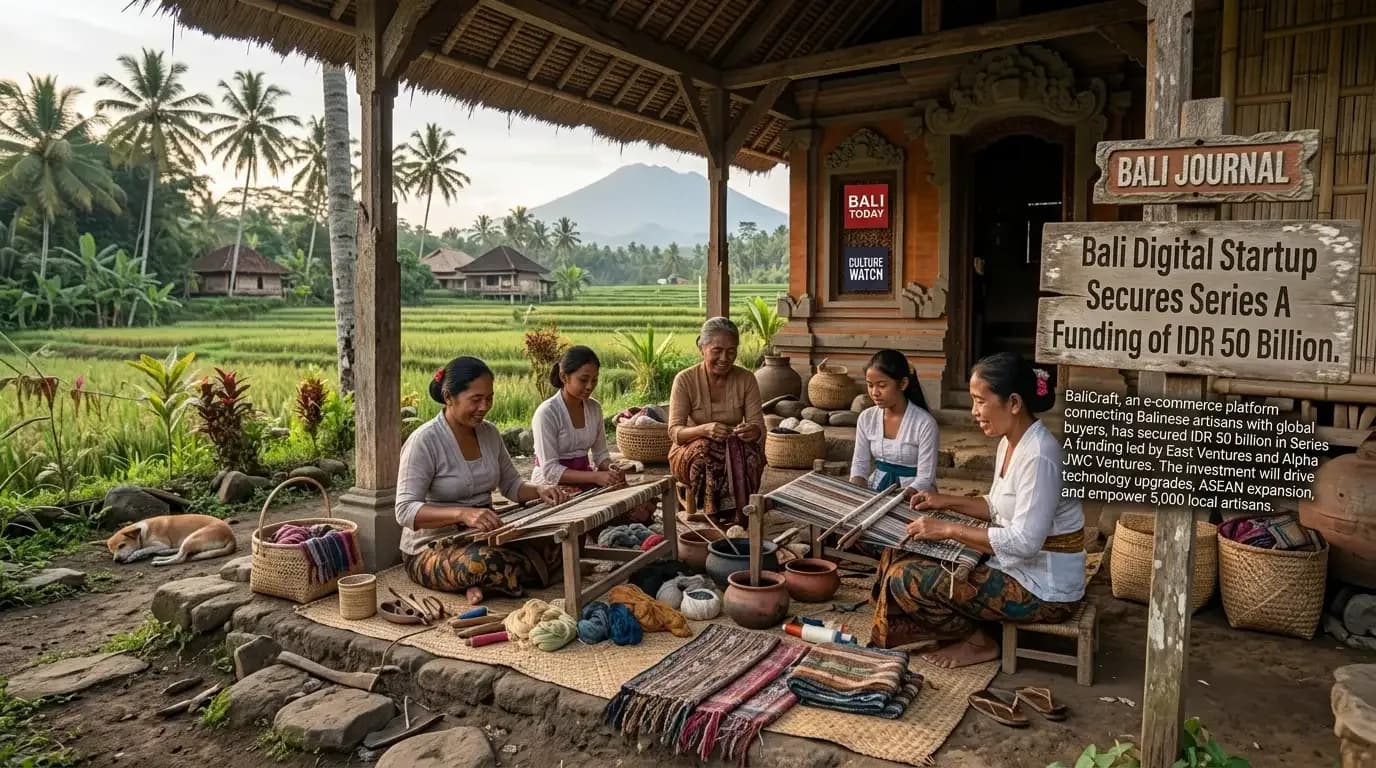
Bali's tourism industry is undergoing a significant transformation, with a renewed focus on traditional arts and crafts as a means to enhance visitor experiences while promoting sustainability. Local artisans are increasingly utilizing modern techniques to preserve age-old traditions, creating a unique blend of heritage and innovation that appeals to both domestic and international tourists.
In recent years, the Balinese government has recognized the importance of cultural heritage in driving tourism. Initiatives aimed at reviving traditional arts are gaining traction, with various programs designed to support local artisans and promote their crafts to a broader audience. This movement not only seeks to enhance the cultural fabric of Bali but also aims to create economic opportunities for local communities.
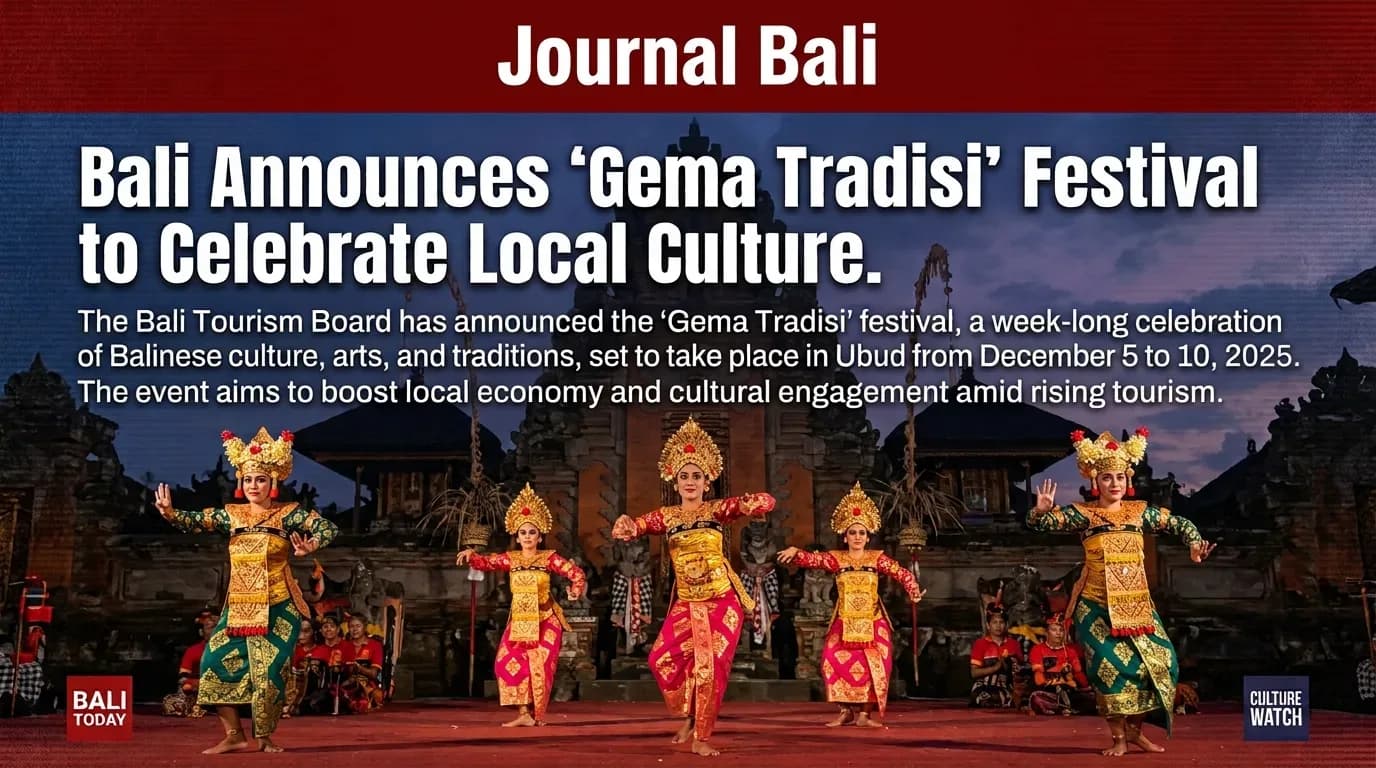
One such initiative is the Bali Arts Festival, which showcases a variety of traditional performances, crafts, and culinary delights. The festival attracts thousands of visitors each year, providing a platform for local artists to demonstrate their skills and connect with tourists. Many artisans report increased interest in their work during the festival, leading to direct sales and commissions.
Artisans like Wayan Suardika, who specializes in traditional wood carving, have embraced new marketing strategies to reach a wider audience. Suardika notes, "Social media has opened up new avenues for us. We can now showcase our work to potential buyers around the world, not just in Bali." This shift towards digital marketing is crucial for artisans looking to expand their reach beyond local markets.

Moreover, workshops and classes have become popular among tourists eager to learn traditional crafts. From batik painting to silver jewelry making, these hands-on experiences allow visitors to engage directly with the local culture. Tourists are not just observers; they are participants in the living traditions of Bali, which enhances their overall travel experience.
As Bali moves towards more sustainable tourism practices, the revival of traditional arts plays a pivotal role. According to the Bali Tourism Board, cultural tourism is expected to grow significantly, with an estimated 30% increase in visitors seeking authentic cultural experiences by 2027. This trend aligns with global preferences for responsible travel, where tourists prioritize experiences that benefit local communities.
Local government officials are also recognizing the economic potential of preserving traditional arts. The Head of the Bali Cultural Office, Nyoman Sujana, stated, "Investing in our cultural heritage is not just about preserving history; it's about creating jobs and ensuring that our traditions continue to thrive for future generations." This sentiment is echoed by many within the tourism sector, who see cultural preservation as integral to Bali's identity.
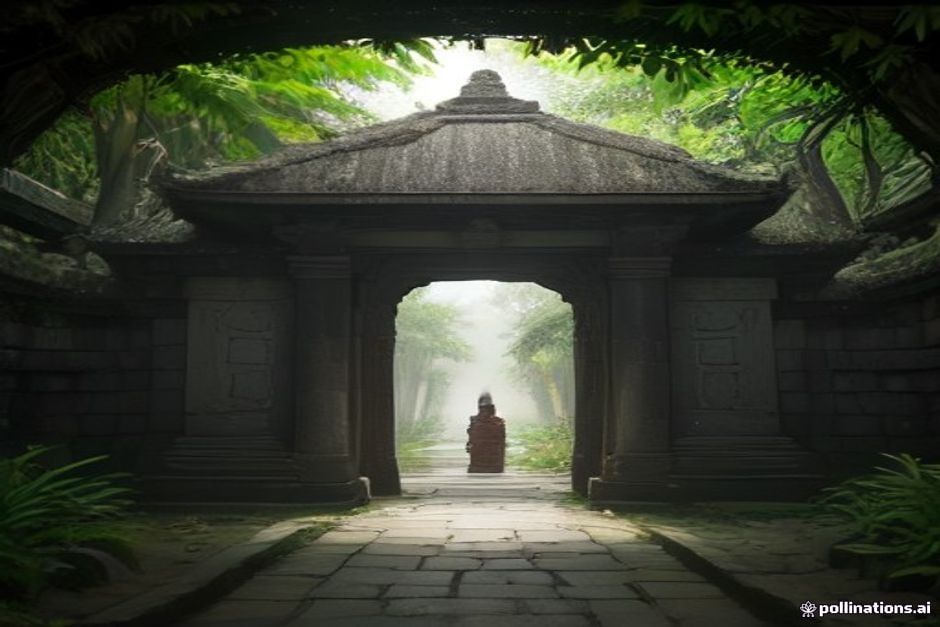
However, challenges remain. The influx of tourists can sometimes lead to the commodification of culture, where traditional practices are altered to cater to tourist expectations. Artisans are navigating this delicate balance, striving to maintain authenticity while also appealing to a global market. It is crucial for local stakeholders to collaborate in ensuring that cultural representation is respectful and genuine.
Additionally, the rise of digital platforms has introduced competition from artisans across Indonesia and beyond. To remain relevant, Balinese artisans must continue to innovate while staying true to their roots. This ongoing evolution is essential not only for the survival of traditional arts but also for the sustainable growth of Bali's tourism industry.
Looking ahead, the future of Bali's tourism will heavily depend on how effectively traditional arts can be integrated into the broader tourism strategy. The ongoing support from local and regional governments, combined with the creativity of artisans, will play a crucial role in shaping this narrative. As Bali continues to attract millions of visitors each year, the island's commitment to preserving and promoting its cultural heritage remains a vital component of its tourism success.

Read Also from Other Categories

Jakarta's New Policies Spark Controversy Over Bali's Agricultural Future
Recent agricultural policies from Jakarta are causing a stir in Bali, raising concerns among local farmers about their livelihoods. The provincial government is pushing back against regulations perceived as detrimental to traditional practices and food security.
Investors Eye Bali's Eco-Tourism Ventures Amid Rising Global Consciousness
As eco-tourism gains traction worldwide, Bali emerges as a hotspot for investments in sustainable travel ventures. Local entrepreneurs and international investors alike are capitalizing on the island's natural beauty and cultural richness to promote environmental responsibility.

Emergency Preparedness in Bali: A Community Focus Amid Natural Threats
As climate change intensifies weather patterns, Bali's communities are stepping up emergency preparedness measures. Local authorities emphasize the importance of readiness as the island faces increased risks from natural disasters.

Innovative Water Management Strategies Address Bali's Scarcity Crisis
Bali's growing water scarcity has prompted local governments and communities to implement innovative water management strategies. These initiatives aim to balance the needs of agriculture, tourism, and the local population while preserving the island's natural resources.
Skill Development Initiatives Spark Job Growth Across Bali's Industries
Bali is witnessing a surge in job training programs aimed at enhancing workforce skills. Local businesses and educational institutions are collaborating to address employment challenges and meet industry demands.
In Ubud, the Intersection of Art and Technology Sparks New Culture
As artists in Ubud embrace digital platforms, a cultural renaissance unfolds that blends traditional Balinese artistry with modern technology. This shift is redefining not only art consumption but also local community dynamics.
Comments (0)
No comments yet. Be the first!