Tourism Growth in Bali: A Deep Dive into Visitor Trends and Preferences
Bali's tourism sector is experiencing a significant transformation, driven by changing visitor demographics and preferences. This article explores the latest trends influencing the island's appeal to both domestic and international tourists.
In 2026, Bali recorded a staggering 6.95 million foreign tourists, a remarkable 12% increase from the previous year. This surge is attributed to a combination of factors, including enhanced marketing efforts, improved infrastructure, and a growing interest in diverse tourism experiences. The Bali Tourism Board noted that this growth is not merely a rebound from pandemic lows but a clear shift in the types of visitors flocking to the island.
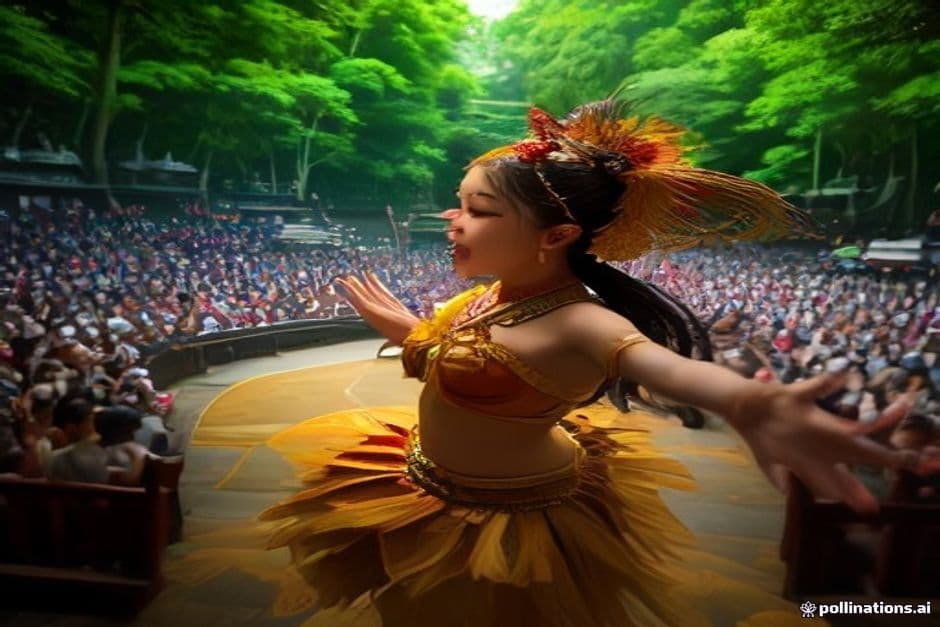
One of the most notable trends is the increasing number of travelers seeking cultural experiences. According to a recent survey by the Bali Travel Association, 47% of tourists now prioritize cultural immersion activities, such as traditional dance performances and artisan workshops, over relaxation and leisure. This shift highlights a desire for authentic experiences that connect visitors with the rich heritage of the island.
Additionally, the rise of eco-tourism in Bali is reshaping the landscape, with 36% of visitors indicating a preference for sustainable travel options. Eco-friendly accommodations, such as those certified by the Green Hotel Association, have seen a 30% increase in occupancy rates, as tourists are more inclined to support businesses that align with their values. This trend is evident in areas like Ubud, where eco-resorts and organic eateries are thriving.
Furthermore, the demographic profile of Bali's tourists is evolving. The average age of international visitors has decreased from 45 to 38 in the past few years, with millennials and Gen Z travelers making up a significant portion of the tourist base. This younger demographic is more tech-savvy and seeks unique experiences that can be shared on social media platforms. As a result, Bali's tourism operators are increasingly focusing on Instagrammable locations and experiences, catering to the desires of this digital generation.
In terms of accommodation trends, the luxury villa market has seen a substantial uptick, with a 25% increase in bookings for high-end private villas in 2026. Tourists are now opting for privacy and exclusive services, with many luxury properties offering personalized experiences, such as private chefs and curated tours. This shift towards high-end travel is also reflected in the growing trend of wellness retreats, which combine luxury with holistic health practices.
The government has recognized these changes and is actively promoting Bali as a year-round destination. Strategies include extending visa services to attract long-term visitors, particularly digital nomads, and enhancing the island's appeal as a MICE (Meetings, Incentives, Conferences, and Exhibitions) destination. The Bali Convention Center is expected to host over 100 events in 2026, signaling a commitment to diversifying the tourism offerings beyond leisure travel.
Moreover, festivals continue to play a crucial role in attracting visitors, with the Bali Arts Festival witnessing a 15% increase in attendance this year. These cultural events not only boost tourism but also provide a platform for local artisans and performers, reinforcing the island's cultural identity.
However, this rapid growth comes with challenges. Local communities have expressed concerns over the environmental impact and cultural dilution associated with mass tourism. Initiatives aimed at promoting responsible tourism practices are essential to balance economic benefits with community interests. The Bali Tourism Board is engaging with local leaders to ensure that tourism development aligns with sustainable practices and community welfare.
In conclusion, Bali's tourism landscape is undergoing a significant transformation, characterized by a shift towards cultural immersion, eco-consciousness, and luxury experiences. As the island continues to attract millions of visitors, it must navigate the complexities of growth while preserving its unique cultural heritage and natural beauty. The future of Bali tourism will depend on its ability to adapt to changing preferences and implement sustainable practices that benefit both visitors and locals alike.



Read Also from Other Categories

Transforming Bali's Public Services: AI Integration Gains Momentum
The Bali provincial government is ramping up efforts to integrate artificial intelligence into public services, aiming for a more efficient administrative process. This shift reflects a growing trend across Indonesia as local governments adopt digital solutions to enhance service delivery.

Emerging Trends in Bali's Investment Landscape: The Rise of Impact Startups
Bali is witnessing a significant shift in investment trends as impact startups gain traction. With a focus on social and environmental benefits, these ventures are attracting both local and international funding in unprecedented ways.

Unexpected Water Supply Crisis Hits Bali Amid Rising Demand and Climate Change
Bali faces a critical water supply shortage, with demand increasing by 25% year-over-year. Local officials are mobilizing to address the crisis as climate change exacerbates existing challenges.
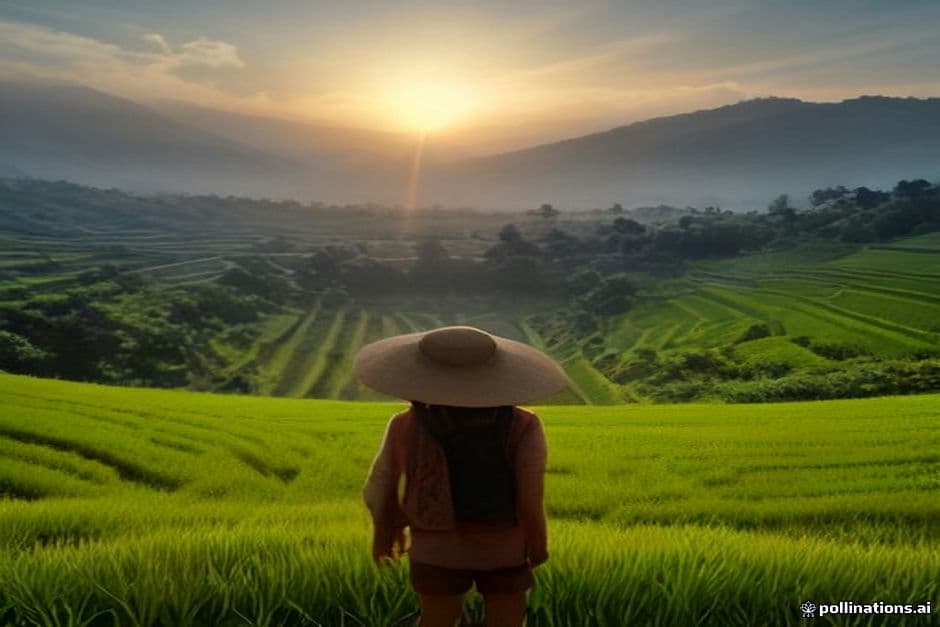
Local Farmers Transition to Agro-Tourism Amidst Climate Challenges
As climate change impacts agriculture, Bali's farmers are embracing agro-tourism to sustain their livelihoods. This shift not only preserves local culture but also enhances community engagement and economic resilience.
Job Opportunities in Bali's Agriculture Sector: A Path to Sustainability
Bali's agriculture sector is undergoing a transformation, presenting new job opportunities to locals. With a focus on sustainable practices, training programs are paving the way for a greener future in employment.
Rethinking Bali's Digital Nomad Policies: A Call for Sustainable Integration
Bali's digital nomad community has surged by 35% in the past year, prompting discussions on the need for more structured policies. Experts argue that without strategic planning, the influx could strain local resources and cultural integrity.
Comments (0)
No comments yet. Be the first!