Investors Eye Bali's Eco-Tourism Ventures Amid Rising Global Consciousness
As eco-tourism gains traction worldwide, Bali emerges as a hotspot for investments in sustainable travel ventures. Local entrepreneurs and international investors alike are capitalizing on the island's natural beauty and cultural richness to promote environmental responsibility.
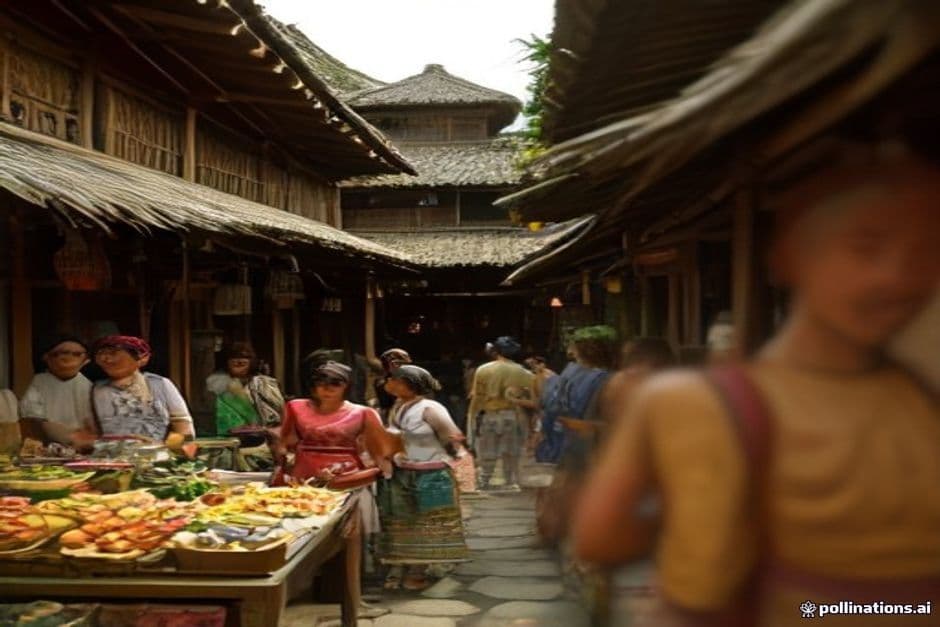
On a sunlit morning in Ubud, a group of tourists meanders through the vibrant local market, their laughter mingling with the sounds of traditional Balinese gamelan music. Nearby, a small eco-lodge constructed from sustainable materials welcomes its guests with the promise of an authentic and environmentally friendly experience. This scene reflects a broader trend in Bali, where eco-tourism is not just a buzzword but a burgeoning sector attracting significant investment.
In recent months, Bali has witnessed a surge in funding for eco-friendly startups focused on sustainable travel and hospitality. With global travelers increasingly seeking environmentally conscious options, investors are keen to tap into this market, viewing Bali as a prime destination for eco-tourism initiatives. According to the Bali Tourism Board, eco-tourism is projected to grow at a rate of 15% annually over the next five years, driven by changing consumer preferences.
One standout project is the Green Oasis Eco-Resort in Canggu, which recently secured IDR 100 billion in funding from both local and foreign investors. This resort aims to provide a luxury experience while implementing sustainable practices, such as solar energy, organic gardens, and waste reduction programs. Founder and CEO, Made Suardana, expressed excitement about the project’s potential impact, stating, "We are not just offering a place to stay; we are creating a lifestyle that prioritizes the environment and the local community."
As Bali's eco-tourism sector expands, so do the opportunities for innovation. Startups such as Bali Eco Cycling and Green Bike Bali are gaining traction, offering eco-friendly transportation and tours that showcase the island’s natural beauty while minimizing environmental footprints. These companies are not only appealing to eco-conscious tourists but also attracting venture capitalists eager to support sustainable initiatives. In a recent funding round, Bali Eco Cycling raised IDR 25 billion to expand its operations and enhance its service offerings.
The demand for eco-tourism is also prompting local governments to support initiatives that promote sustainability. The Bali provincial government has implemented policies encouraging businesses to adopt eco-friendly practices, offering tax incentives for green projects. Governor Wayan Koster emphasized the importance of sustainability in tourism, stating, "Bali's future relies on our ability to protect our environment while still welcoming visitors. We are committed to fostering eco-friendly investments that benefit our island and its people."
This shift towards sustainability is not without its challenges. Some investors and entrepreneurs face bureaucratic hurdles and regulatory complexities that can hinder the speed of project implementation. However, the growing interest in eco-tourism has prompted discussions among stakeholders, including local businesses and government officials, to streamline processes and encourage green initiatives.
Additionally, the rise of eco-tourism has ignited conversations about balancing development with conservation. Environmental activists express concerns over the potential for over-tourism in pristine areas. They advocate for responsible practices that ensure the preservation of Bali’s natural resources while promoting economic growth. Organizations like the Bali Institute for Sustainable Tourism are actively working to educate both tourists and locals about sustainable practices and the importance of preserving the island’s unique ecosystem.

Moreover, the global pandemic has shifted perspectives on travel, with many people prioritizing health and safety alongside environmental concerns. As a result, eco-tourism is becoming synonymous with responsible travel, leading to a re-evaluation of traditional tourism practices. The surge in demand for eco-friendly options is a testament to this shift, as travelers increasingly choose to support businesses that align with their values.
Bali’s eco-tourism landscape is set to evolve further as more investors recognize the potential for sustainable ventures. The combination of natural beauty, cultural richness, and a commitment to environmental responsibility positions Bali as a leading destination for eco-conscious travelers. As local entrepreneurs and international investors continue to collaborate, the island may well become the benchmark for eco-tourism worldwide.
Looking ahead, the prospects for Bali’s eco-tourism sector appear bright. With continued investment, innovative startups, and supportive policies, the island is poised to redefine the tourism experience for generations to come. As tourists seek meaningful connections with the places they visit, Bali stands ready to offer an authentic journey that honors both the environment and its rich cultural heritage.


Read Also from Other Categories

Reviving Bali's Traditional Arts: A Pathway to Sustainable Tourism Growth
Bali is witnessing a resurgence in traditional arts as local artisans embrace innovation to attract tourists. This revival not only supports cultural heritage but also contributes to the island's sustainable tourism goals.

Jakarta's New Policies Spark Controversy Over Bali's Agricultural Future
Recent agricultural policies from Jakarta are causing a stir in Bali, raising concerns among local farmers about their livelihoods. The provincial government is pushing back against regulations perceived as detrimental to traditional practices and food security.

Emergency Preparedness in Bali: A Community Focus Amid Natural Threats
As climate change intensifies weather patterns, Bali's communities are stepping up emergency preparedness measures. Local authorities emphasize the importance of readiness as the island faces increased risks from natural disasters.

Innovative Water Management Strategies Address Bali's Scarcity Crisis
Bali's growing water scarcity has prompted local governments and communities to implement innovative water management strategies. These initiatives aim to balance the needs of agriculture, tourism, and the local population while preserving the island's natural resources.

Skill Development Initiatives Spark Job Growth Across Bali's Industries
Bali is witnessing a surge in job training programs aimed at enhancing workforce skills. Local businesses and educational institutions are collaborating to address employment challenges and meet industry demands.

In Ubud, the Intersection of Art and Technology Sparks New Culture
As artists in Ubud embrace digital platforms, a cultural renaissance unfolds that blends traditional Balinese artistry with modern technology. This shift is redefining not only art consumption but also local community dynamics.
Comments (0)
No comments yet. Be the first!