Jakarta's New Tax Policies Raise Concerns Among Bali's Business Owners
Recent tax reforms introduced by Jakarta have sparked apprehension among Bali's local business community, especially in tourism and hospitality. As businesses navigate these changes, the implications for economic growth and employment remain uncertain.
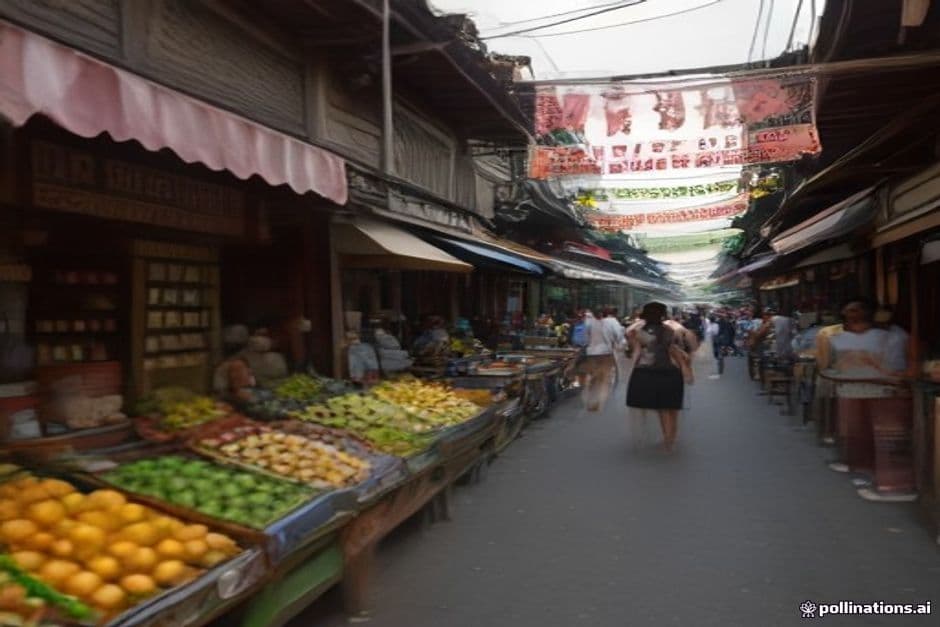
Jakarta's recent tax reform policies are causing waves of concern among business owners in Bali, particularly in the tourism and hospitality sectors, which are vital to the island's economy. The new regulations, which are set to take effect next month, aim to increase tax revenues at a national level but may inadvertently strain local enterprises that are still recovering from the pandemic's impact.
Governor Wayan Koster has voiced his apprehension, stating that the increased tax burden could lead to higher prices for consumers and diminished competitiveness for local businesses. "Bali's economy is still fragile, and imposing additional taxes at this juncture could stifle recovery efforts," Koster noted during a recent press conference.
The tax reforms include an increase in the Value Added Tax (VAT) from 10% to 12% and new levies on luxury goods, which will affect high-end hotels and restaurants. Business owners fear that these additional costs will be passed down to tourists, potentially deterring visitors and impacting overall revenue.
Local tourism stakeholders have expressed their concerns through various channels, including the Bali Hotel Association, which argues that the timing of these reforms is particularly detrimental. "Just as we were starting to see a rebound in bookings, these tax increases could undo months of hard work to attract tourists back to the island," said the association's chairperson.

In addition to the VAT increase, the new luxury tax will impose a 20% levy on high-end accommodations, which could significantly impact Bali's reputation as a luxury destination. As competition from nearby regions intensifies, stakeholders are worried that these tax hikes will make Bali less appealing to affluent travelers.
Furthermore, the tax policy changes come on the heels of a recent report from the Central Statistics Agency (BPS) that highlights a slight increase in unemployment rates in Bali, which currently stands at 4.2%. Entrepreneurs fear that increased operational costs could lead to further layoffs as businesses struggle to maintain profitability.
The province's reliance on tourism as a primary economic driver complicates the situation even further. According to the Bali Tourism Agency, tourism accounts for approximately 54% of Bali's economy, with millions of jobs tied to the industry. As businesses face the prospect of higher taxes, the fear is that there could be a trickle-down effect on employment.

In light of these challenges, local business owners are calling for a dialogue with Jakarta to discuss potential adjustments to the tax reforms. "We understand the need for increased revenue, but there must be a balance that allows us to thrive while contributing to the national economy," said a representative from the Bali Chamber of Commerce.
While the new tax policies are designed to bolster Jakarta's fiscal health, their implementation raises critical questions about the sustainability of Bali's economic recovery. Without careful consideration of the unique challenges faced by the island's economy, the potential for adverse effects on both local businesses and employment remains a pressing concern.
As Bali continues to navigate the post-pandemic landscape, the provincial government is expected to push for revisions to the tax policies during upcoming negotiations with central authorities in Jakarta. The outcome of these discussions could have significant implications for Bali's economic future and the livelihoods of its residents.



Read Also from Other Categories

Reviving Bali's Traditional Arts: A Pathway to Sustainable Tourism Growth
Bali is witnessing a resurgence in traditional arts as local artisans embrace innovation to attract tourists. This revival not only supports cultural heritage but also contributes to the island's sustainable tourism goals.

Investors Eye Bali's Eco-Tourism Ventures Amid Rising Global Consciousness
As eco-tourism gains traction worldwide, Bali emerges as a hotspot for investments in sustainable travel ventures. Local entrepreneurs and international investors alike are capitalizing on the island's natural beauty and cultural richness to promote environmental responsibility.

Emergency Preparedness in Bali: A Community Focus Amid Natural Threats
As climate change intensifies weather patterns, Bali's communities are stepping up emergency preparedness measures. Local authorities emphasize the importance of readiness as the island faces increased risks from natural disasters.

Innovative Water Management Strategies Address Bali's Scarcity Crisis
Bali's growing water scarcity has prompted local governments and communities to implement innovative water management strategies. These initiatives aim to balance the needs of agriculture, tourism, and the local population while preserving the island's natural resources.

Skill Development Initiatives Spark Job Growth Across Bali's Industries
Bali is witnessing a surge in job training programs aimed at enhancing workforce skills. Local businesses and educational institutions are collaborating to address employment challenges and meet industry demands.

In Ubud, the Intersection of Art and Technology Sparks New Culture
As artists in Ubud embrace digital platforms, a cultural renaissance unfolds that blends traditional Balinese artistry with modern technology. This shift is redefining not only art consumption but also local community dynamics.
Comments (0)
No comments yet. Be the first!