Community-Led Initiatives Foster Sustainable Tourism in Bali's Villages
Local communities in Bali are embracing sustainability as a pathway to enhance tourism and preserve their cultural identity. These grassroots initiatives are reshaping the landscape of eco-tourism across various villages, offering a model for responsible travel.
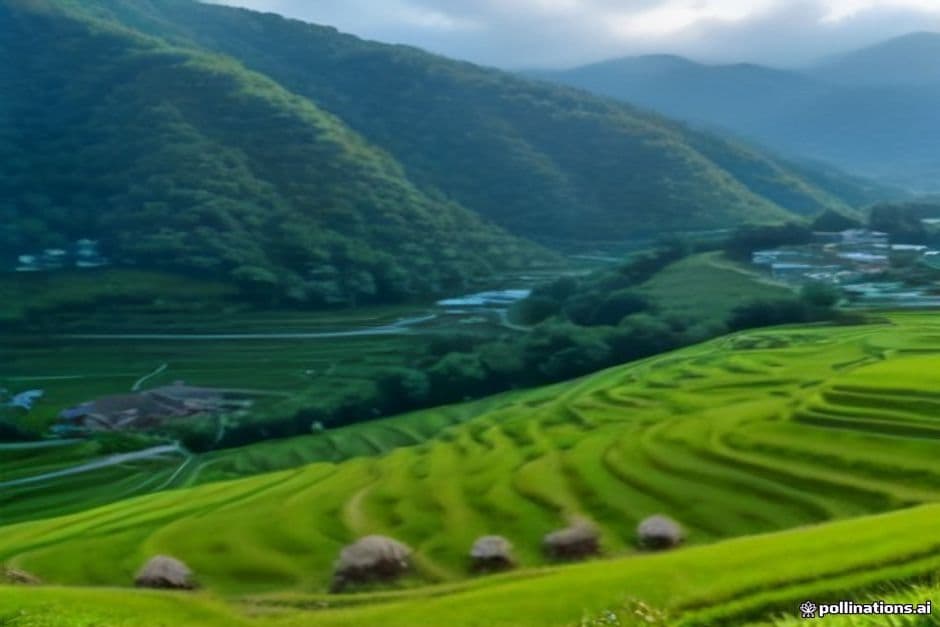
In the village of Sidemen, a significant shift towards sustainable tourism is evident, with a 30% increase in eco-tourism visits over the past year alone. This growth is attributed to the community's collective efforts in promoting environmental conservation and cultural experiences that resonate with travelers seeking authentic Balinese experiences.
Sidemen's transformation is part of a wider trend across Bali, where local initiatives are increasingly recognized for their role in sustainable tourism. The Bali Tourism Agency reports that eco-tourism has seen a year-over-year growth of 25% in the region, with local communities at the forefront of this movement. Villages like Ubud and Amed are also capitalizing on their natural beauty and cultural heritage to attract visitors looking for more than just a beach vacation.
The local government has played a crucial role in this evolution by providing support and resources to community-led projects. In 2023, the Bali Provincial Government allocated approximately IDR 5 billion for eco-tourism development, aimed at enhancing infrastructure while ensuring the preservation of cultural sites. This funding is designed to support initiatives that align with sustainable practices, such as waste management programs and the promotion of organic farming.
One shining example of this initiative is the "Green Village" project in Ubud, where local artisans and farmers collaborate to create eco-friendly products and experiences. The project has successfully attracted tourists interested in workshops on traditional crafts, leading to a 40% rise in visitor engagement compared to the previous year. Tourists are increasingly drawn to experiences that connect them with local culture, and the Green Village provides precisely that.

Moreover, community members have taken it upon themselves to educate visitors about the significance of their cultural practices and the importance of environmental stewardship. Workshops on traditional Balinese cooking, weaving, and rice farming have become popular, with participation rates up by 50% in the last year. These initiatives not only provide economic benefits to the community but also foster a deeper understanding of Balinese traditions among tourists.
However, this rise in sustainable tourism also brings challenges. As more travelers flock to these villages, the risk of overtourism looms. For instance, Sidemen has seen a surge in infrastructure development to accommodate increased visitor numbers, which could potentially disrupt the local ecosystem. To combat this, community leaders have implemented a cap on tourist numbers to maintain the village's charm and protect its natural resources.
In response to these challenges, local governments and communities are collaborating to develop guidelines that ensure tourism growth remains sustainable. The Bali Tourism Agency is working closely with village heads to create a framework that prioritizes environmental protection while allowing for economic development. This collaborative approach is crucial in balancing the demands of tourism with the need to preserve Bali's unique cultural and natural heritage.

As Bali continues to navigate the complexities of tourism, the emphasis on community-driven initiatives is likely to shape its future. The success seen in villages like Sidemen serves as a model for other regions looking to balance economic growth with cultural preservation. With the right support and commitment, these grassroots efforts can lead to a thriving eco-tourism sector that benefits both locals and travelers.
In conclusion, as Bali's tourism landscape evolves, the commitment to sustainable practices among local communities is paramount. By prioritizing eco-tourism and cultural preservation, these initiatives not only enhance the visitor experience but also ensure that future generations can enjoy the rich heritage and natural beauty of the island.

Read Also from Other Categories

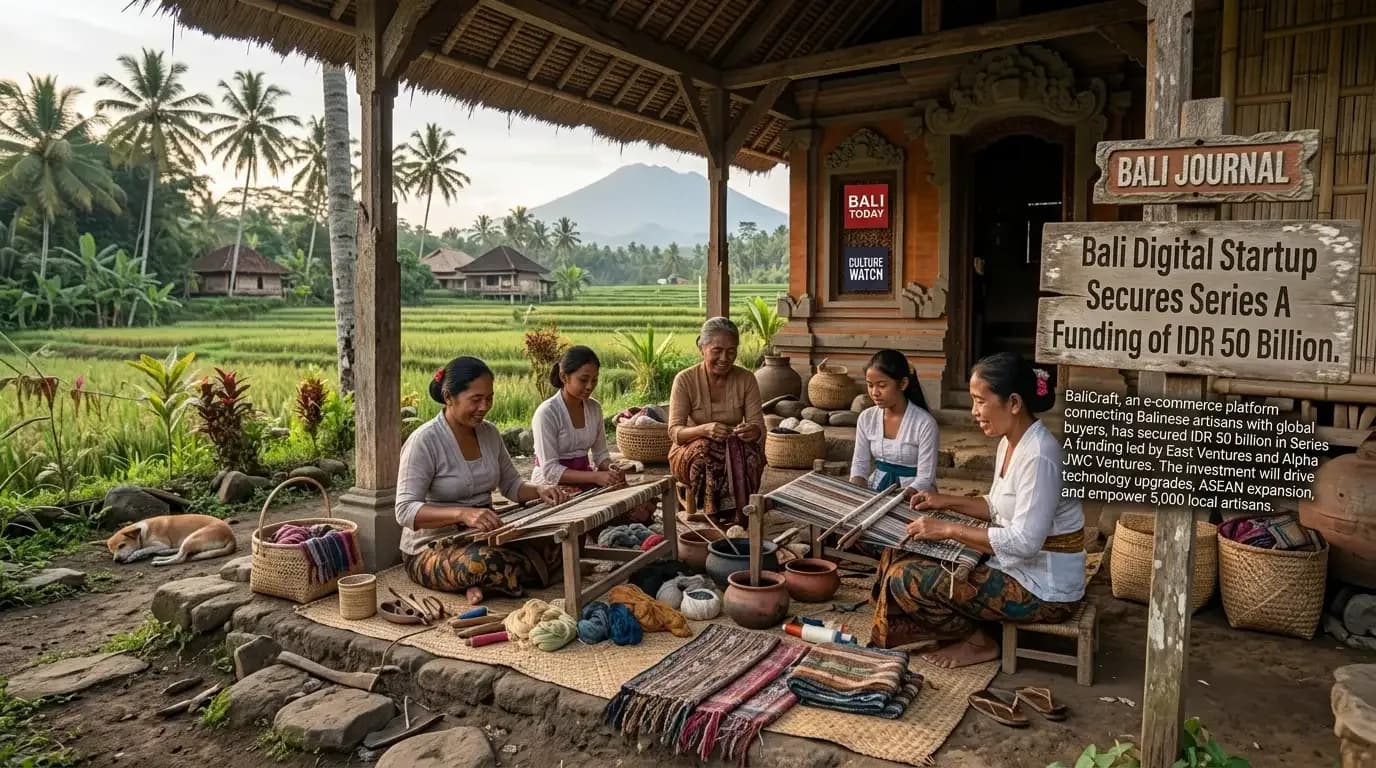
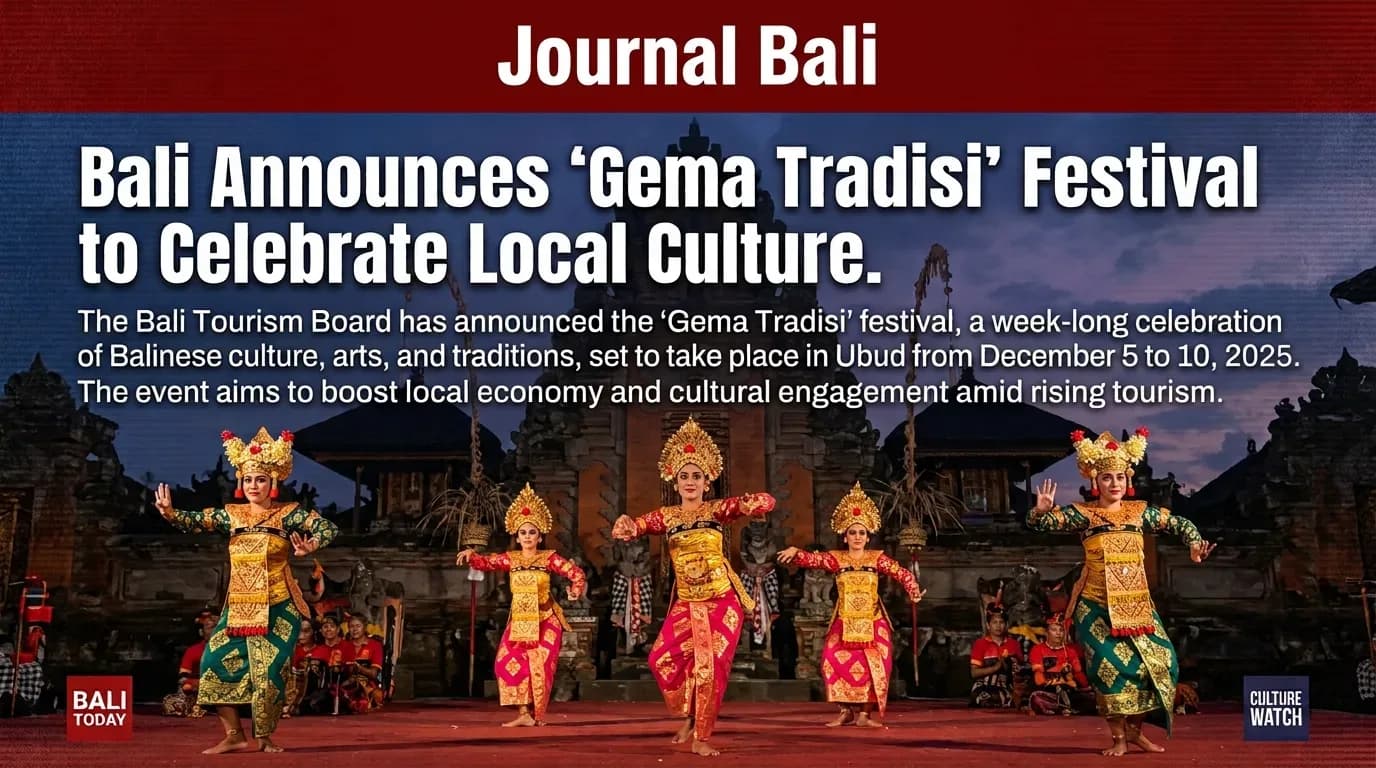
Reviving Bali's Traditional Arts: A Pathway to Sustainable Tourism Growth
Bali is witnessing a resurgence in traditional arts as local artisans embrace innovation to attract tourists. This revival not only supports cultural heritage but also contributes to the island's sustainable tourism goals.

Jakarta's New Policies Spark Controversy Over Bali's Agricultural Future
Recent agricultural policies from Jakarta are causing a stir in Bali, raising concerns among local farmers about their livelihoods. The provincial government is pushing back against regulations perceived as detrimental to traditional practices and food security.
Investors Eye Bali's Eco-Tourism Ventures Amid Rising Global Consciousness
As eco-tourism gains traction worldwide, Bali emerges as a hotspot for investments in sustainable travel ventures. Local entrepreneurs and international investors alike are capitalizing on the island's natural beauty and cultural richness to promote environmental responsibility.

Emergency Preparedness in Bali: A Community Focus Amid Natural Threats
As climate change intensifies weather patterns, Bali's communities are stepping up emergency preparedness measures. Local authorities emphasize the importance of readiness as the island faces increased risks from natural disasters.
Skill Development Initiatives Spark Job Growth Across Bali's Industries
Bali is witnessing a surge in job training programs aimed at enhancing workforce skills. Local businesses and educational institutions are collaborating to address employment challenges and meet industry demands.

In Ubud, the Intersection of Art and Technology Sparks New Culture
As artists in Ubud embrace digital platforms, a cultural renaissance unfolds that blends traditional Balinese artistry with modern technology. This shift is redefining not only art consumption but also local community dynamics.
Comments (0)
No comments yet. Be the first!