Bali's New Land Use Policy Aims to Balance Development and Conservation
The Bali provincial government has introduced a comprehensive land use policy to ensure sustainable development while preserving the island's natural beauty. This initiative is expected to significantly impact urban planning and environmental conservation efforts across the region.
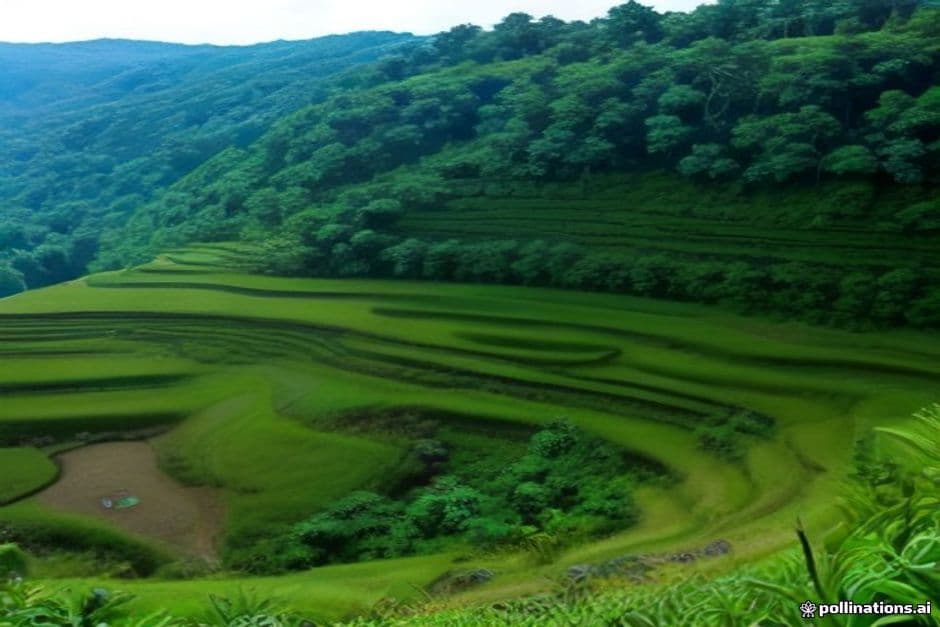
In a landmark decision, the Bali provincial government has approved a new land use policy aimed at addressing the pressing need for sustainable development while simultaneously conserving the island's unique environment. The policy, which was recently unveiled by Governor Wayan Koster, outlines specific regulations designed to guide development projects and land use across the province.
At the core of this initiative is a commitment to protect 30% of Bali's land area for conservation purposes. This figure is notably higher than the 20% target set by the national government, reflecting Bali's unique ecological challenges and the urgent need to safeguard its natural resources. The new policy also emphasizes the importance of integrating natural landscapes into urban development plans, ensuring that any new construction harmonizes with the surrounding environment.
The governor highlighted that Bali's tourism-driven economy must not come at the expense of its environmental integrity. "We are not just a tourist destination; we are also stewards of our environment. This policy is a crucial step in ensuring that future generations inherit a Bali that is both beautiful and sustainable," Koster stated during the announcement.
Public reaction to the new policy has been mixed. Environmental activists have lauded the government's commitment to conservation, arguing that such measures are long overdue. A recent survey indicated that 78% of Balinese residents support stricter regulations on land use, reflecting a growing awareness of environmental issues among the local population. However, some business owners have expressed concerns that these regulations may hinder economic growth, particularly in the tourism sector, which is heavily reliant on land development.

As part of the policy, the government will implement a zoning system that categorizes land based on its ecological significance and potential for development. Areas designated as "high conservation value" will be off-limits to any form of development, while zones identified for urban expansion will be subjected to strict environmental assessments. This zoning approach aims to prevent overdevelopment, particularly in areas that have seen rapid growth, such as Canggu and Seminyak.
In addition to protecting land, the policy also outlines measures to promote sustainable agricultural practices. The government plans to introduce incentives for farmers who adopt eco-friendly farming techniques, which will not only enhance food security but also minimize environmental impact. This initiative aligns with Bali's broader goals of achieving food sovereignty and reducing reliance on imported goods.
To ensure compliance, the policy includes provisions for regular monitoring and evaluation of land use practices. The provincial government has committed to establishing a dedicated task force that will oversee the implementation of the policy and address any violations. This proactive approach is designed to foster accountability among developers and landowners.

The impact of this policy is expected to be significant, particularly as Bali faces mounting pressure from tourism and urbanization. The recent influx of visitors, with a record 6.3 million tourists arriving in 2023, has exacerbated land use challenges and environmental degradation. With the new regulations in place, the provincial government aims to strike a balance between economic growth and environmental sustainability.
Looking ahead, experts believe that the success of this policy will depend on effective communication and collaboration between the government, local communities, and businesses. Engaging stakeholders in the planning process will be crucial to ensure that the needs of all parties are considered and that the policy is implemented effectively. As Bali continues to evolve as a global destination, this new land use policy could serve as a model for other regions grappling with similar challenges.

Read Also from Other Categories

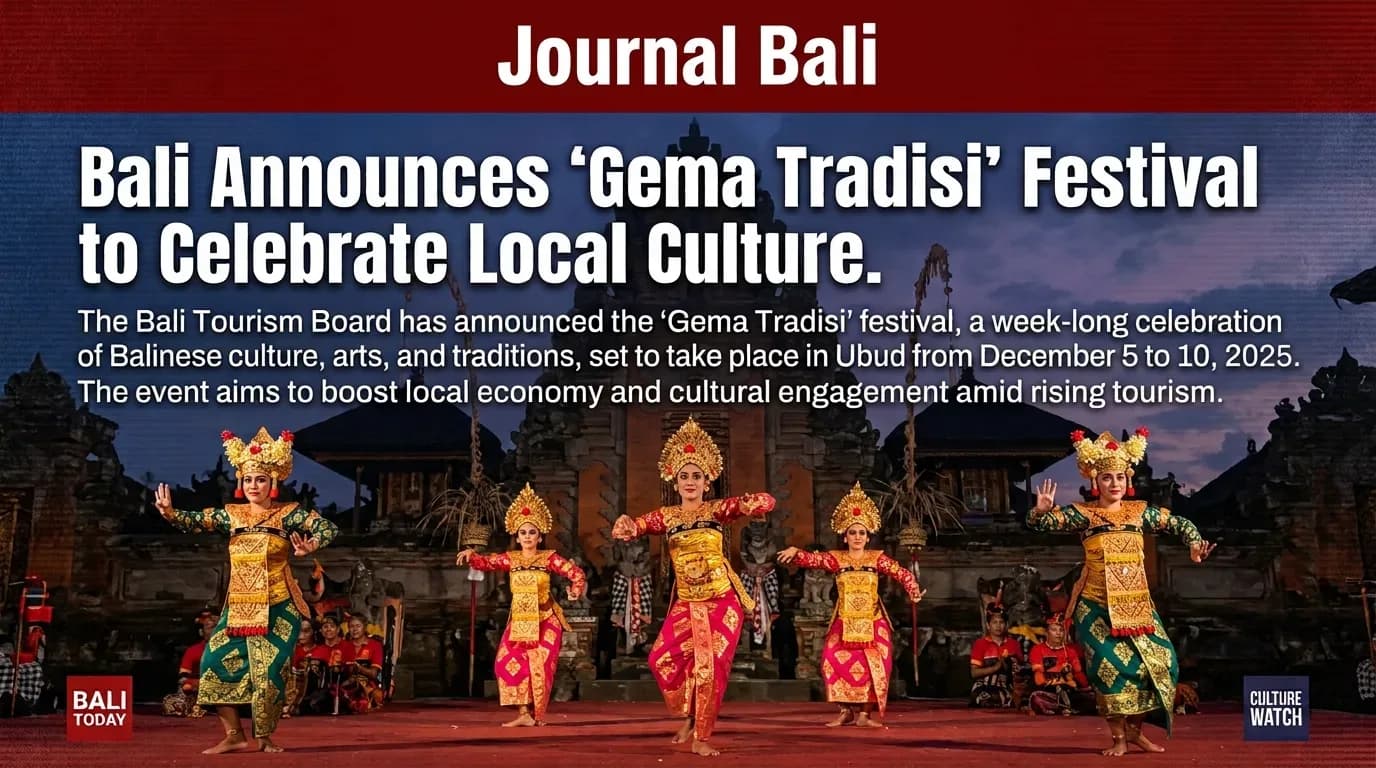
Reviving Bali's Traditional Arts: A Pathway to Sustainable Tourism Growth
Bali is witnessing a resurgence in traditional arts as local artisans embrace innovation to attract tourists. This revival not only supports cultural heritage but also contributes to the island's sustainable tourism goals.
Investors Eye Bali's Eco-Tourism Ventures Amid Rising Global Consciousness
As eco-tourism gains traction worldwide, Bali emerges as a hotspot for investments in sustainable travel ventures. Local entrepreneurs and international investors alike are capitalizing on the island's natural beauty and cultural richness to promote environmental responsibility.

Emergency Preparedness in Bali: A Community Focus Amid Natural Threats
As climate change intensifies weather patterns, Bali's communities are stepping up emergency preparedness measures. Local authorities emphasize the importance of readiness as the island faces increased risks from natural disasters.

Innovative Water Management Strategies Address Bali's Scarcity Crisis
Bali's growing water scarcity has prompted local governments and communities to implement innovative water management strategies. These initiatives aim to balance the needs of agriculture, tourism, and the local population while preserving the island's natural resources.
Skill Development Initiatives Spark Job Growth Across Bali's Industries
Bali is witnessing a surge in job training programs aimed at enhancing workforce skills. Local businesses and educational institutions are collaborating to address employment challenges and meet industry demands.
In Ubud, the Intersection of Art and Technology Sparks New Culture
As artists in Ubud embrace digital platforms, a cultural renaissance unfolds that blends traditional Balinese artistry with modern technology. This shift is redefining not only art consumption but also local community dynamics.
Comments (0)
No comments yet. Be the first!