Transforming Bali's Heritage: The Role of Community-Driven Tourism in 2026
As Bali's tourism landscape evolves, community-driven initiatives are reshaping visitor experiences. Local residents and organizations are stepping up to offer authentic cultural engagements that highlight the island's rich heritage.
In the heart of Ubud, the air is filled with the scent of incense and the sound of gamelan music. Here, local artisans and community leaders are revolutionizing Bali's tourism by emphasizing cultural authenticity and heritage. This shift is not just a trend; it's a movement spearheaded by the island's own residents, aiming to reclaim their narrative in the tourism sector.
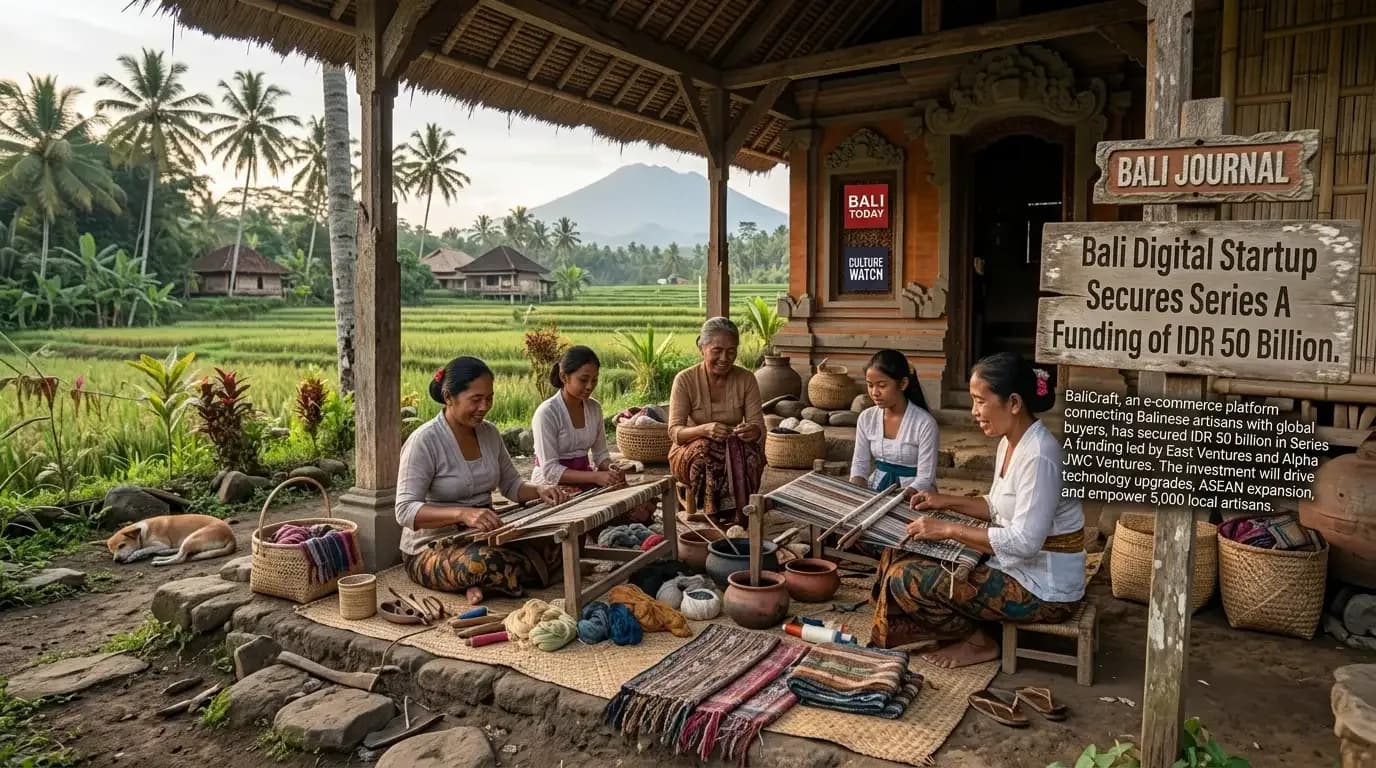
One such initiative is the Ubud Cultural Collective, a group formed by local artisans and cultural practitioners who offer immersive experiences that connect visitors with Bali's rich traditions. “We want tourists to leave with more than just souvenirs; we want them to understand our culture,” says Nyoman, a local artisan who specializes in traditional wood carving. The collective organizes workshops that allow visitors to learn Balinese crafts, participate in ceremonies, and engage in community activities that reflect the island's vibrant culture.
As tourists increasingly seek meaningful experiences over mere sightseeing, community-led tourism is gaining traction. In neighborhoods like Tegallalang, visitors can now take part in rice planting and harvesting activities, guided by local farmers. This direct involvement not only enhances the visitor experience but also provides a sustainable income source for the community. “It's about building relationships, not just transactions,” explains Made, a rice farmer who has welcomed tourists into his fields.
Moreover, the Bali Tourism Board has recognized the importance of these initiatives. In a recent meeting, the Head of the Board emphasized the need to support community-driven tourism as a way to promote cultural preservation. “Our goal is to ensure that tourism benefits the local population while allowing them to showcase their heritage,” he stated. This support is crucial as the island aims to balance economic growth with cultural authenticity.

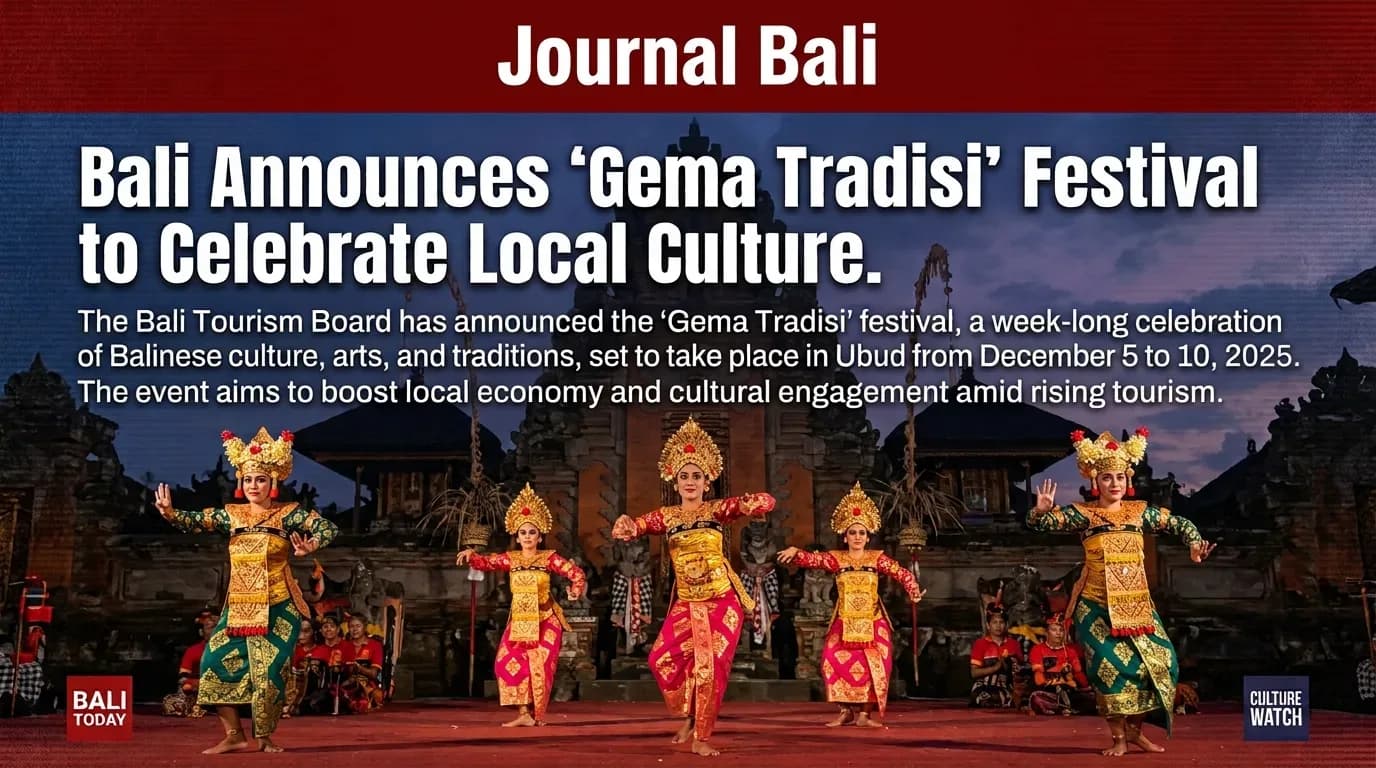
Festivals are also becoming a platform for community engagement. The upcoming Ubud Writers and Readers Festival is set to feature local authors and artists, celebrating Balinese literature and arts. This event not only draws international attention but also provides a stage for local voices, allowing them to share their stories and perspectives. “It’s a celebration of our identity,” says Ayu, a local poet who will perform at the festival.
However, the rise of community-driven tourism isn't without its challenges. In areas like Canggu, where commercial interests often overshadow local initiatives, residents are advocating for more recognition and support from the government. “We need policies that protect our culture and empower us as locals,” urges Ketut, a member of the Canggu Community Forum. The tension between development and preservation is palpable, as many fear that unchecked tourism could erode the very culture it seeks to celebrate.
The local government has begun to take notice of these concerns, implementing measures to promote responsible tourism practices. New regulations are being discussed to ensure that a percentage of tourism profits is reinvested into community projects. This could provide a sustainable model for balancing economic growth and cultural preservation.
As Bali prepares for a surge in visitors in 2026, the focus on community-driven tourism is likely to play a pivotal role in shaping the island's identity. The challenge will be to maintain this momentum amidst the pressures of mass tourism. Local leaders believe that education is key; by informing visitors about the significance of their experiences, they can foster a deeper respect for Balinese culture.
In this evolving landscape, the voices of the local community are becoming the cornerstone of Bali's tourism strategy. From artisan workshops to cultural festivals, the emphasis is shifting from mere consumption to meaningful engagement. As tourists embrace these authentic experiences, they not only enrich their own journeys but also contribute to the sustainability of Bali's rich heritage.

Read Also from Other Categories

Jakarta's New Policies Spark Controversy Over Bali's Agricultural Future
Recent agricultural policies from Jakarta are causing a stir in Bali, raising concerns among local farmers about their livelihoods. The provincial government is pushing back against regulations perceived as detrimental to traditional practices and food security.
Investors Eye Bali's Eco-Tourism Ventures Amid Rising Global Consciousness
As eco-tourism gains traction worldwide, Bali emerges as a hotspot for investments in sustainable travel ventures. Local entrepreneurs and international investors alike are capitalizing on the island's natural beauty and cultural richness to promote environmental responsibility.

Emergency Preparedness in Bali: A Community Focus Amid Natural Threats
As climate change intensifies weather patterns, Bali's communities are stepping up emergency preparedness measures. Local authorities emphasize the importance of readiness as the island faces increased risks from natural disasters.

Innovative Water Management Strategies Address Bali's Scarcity Crisis
Bali's growing water scarcity has prompted local governments and communities to implement innovative water management strategies. These initiatives aim to balance the needs of agriculture, tourism, and the local population while preserving the island's natural resources.
Uncovering Bali's Hidden Job Market: Opportunities in Eco-Tourism and Beyond
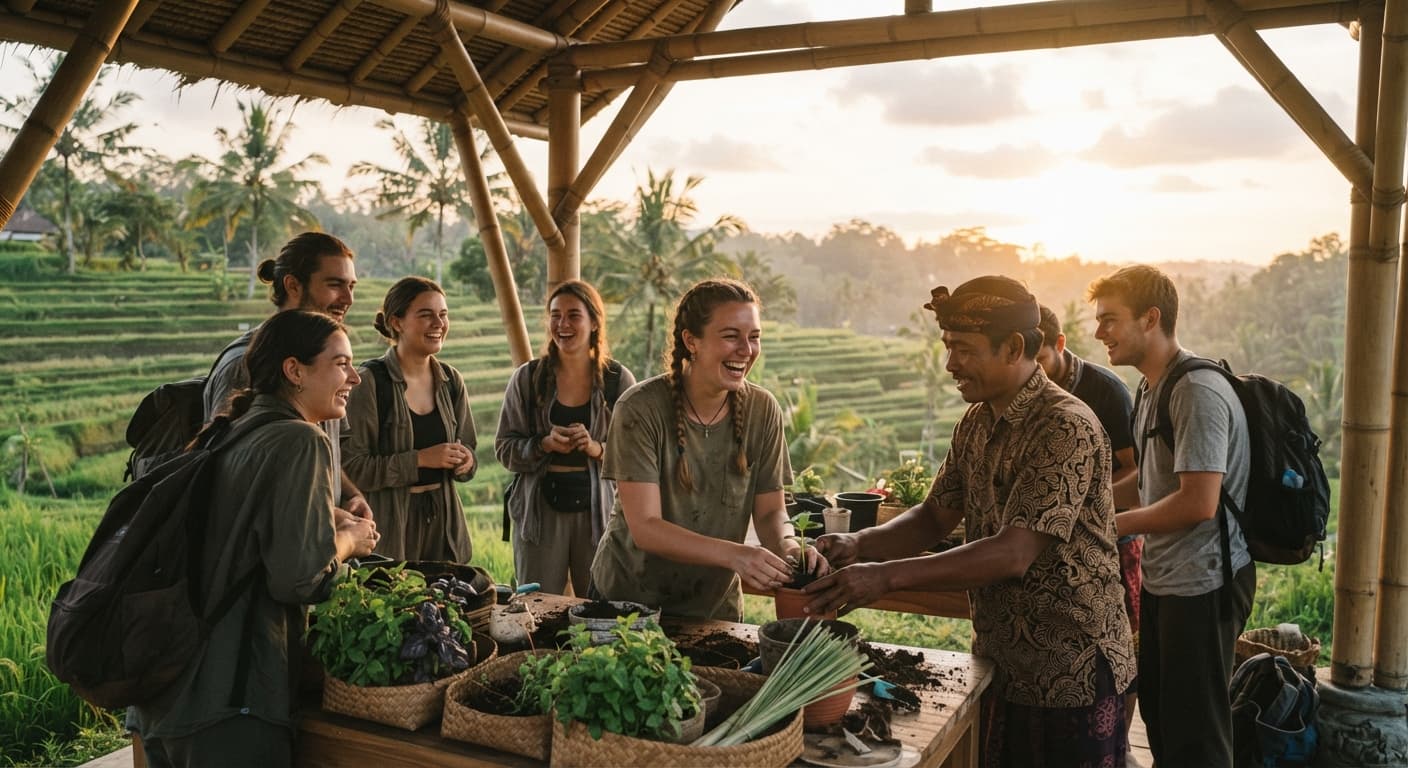
Bali's job landscape is evolving, with eco-tourism and sustainability initiatives creating new employment opportunities. As local businesses adapt to environmental challenges, training programs are emerging to equip workers with the necessary skills.
In Ubud, the Intersection of Art and Technology Sparks New Culture
As artists in Ubud embrace digital platforms, a cultural renaissance unfolds that blends traditional Balinese artistry with modern technology. This shift is redefining not only art consumption but also local community dynamics.
Comments (0)
No comments yet. Be the first!