Sustainable Practices Reshape Bali's Hotel Industry for 2026 and Beyond
Bali's hotel industry is undergoing a significant transformation towards sustainable practices as rising environmental concerns influence tourist choices. This shift is expected to redefine guest experiences and boost the local economy by attracting environmentally-conscious travelers.
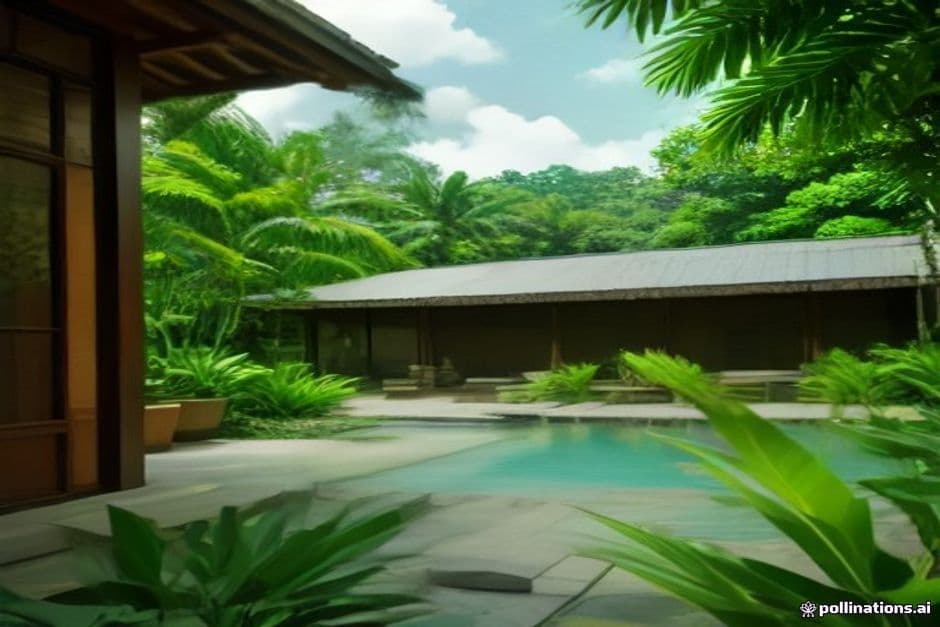
Bali's hotel industry is increasingly embracing sustainability as a core value to attract a new wave of environmentally-conscious travelers. With the rise of eco-friendly tourism, hotels across the island are implementing practices that not only enhance guest experiences but also contribute positively to the environment.
In recent years, Bali has seen a shift in tourist preferences, with more visitors prioritizing sustainability in their travel choices. According to the Bali Hotel Association, around 60% of international tourists now consider a hotel's environmental practices before booking their stay. This trend has prompted many hotels to adopt green certifications and eco-friendly initiatives.
For instance, the Bali Eco Stay, located in the heart of the island, has taken significant steps to reduce its carbon footprint. The hotel utilizes solar energy, practices rainwater harvesting, and sources organic produce from local farmers. The management reports that these initiatives have not only reduced operational costs but also enhanced guest satisfaction, leading to a 25% increase in bookings over the past year.
Another notable example is the Four Seasons Resort Bali at Sayan, which has integrated sustainability into its luxury offerings. The resort offers guests the opportunity to participate in rice planting and local conservation efforts, providing a unique cultural experience while promoting environmental awareness. This blend of luxury and sustainability has positioned the resort as a leader in eco-friendly hospitality.

As Bali prepares for a projected increase in tourist arrivals for 2026, the emphasis on sustainable practices is expected to grow. The provincial government has recognized the importance of eco-tourism and is actively promoting initiatives that encourage hotels to adopt greener operations. The Head of Bali's Tourism Office, I Putu Astawa, stated, “We aim to create a sustainable tourism model that benefits both our environment and our communities. Our goal is to ensure that Bali remains a paradise for generations to come.”
The impact of this shift extends beyond just hotels. Local communities are also benefitting from eco-tourism initiatives as hotels partner with local artisans and farmers. This collaboration not only supports local economies but also preserves cultural heritage, offering tourists authentic experiences that reflect Bali's rich traditions.
Despite the positive trends, challenges remain. Some hotels struggle with the initial costs of implementing sustainable practices, and there is a need for broader awareness among both tourists and hotel operators about the benefits of going green. The Bali Hotel Association is working to address these issues by providing resources and training to help hotels transition to sustainable operations.

Looking ahead, the integration of technology is also playing a crucial role in promoting sustainability within the hotel sector. Many establishments are leveraging smart technologies to monitor energy usage and optimize resource management. For example, hotels are now using smart thermostats and energy-efficient lighting to reduce energy consumption, further enhancing their sustainability credentials.
As Bali continues to evolve in response to global tourism trends, the focus on sustainability is set to reshape the island's hotel landscape. With a growing number of environmentally-conscious travelers, Bali's hotels are poised to thrive by aligning their operations with sustainable practices, ultimately fostering a more resilient tourism industry.
In conclusion, the shift towards sustainability in Bali's hotel industry reflects a broader movement within global tourism. By embracing eco-friendly practices, hotels are not only enhancing their market appeal but also contributing to the preservation of Bali's unique environment and culture. This trend signifies a promising future for both the tourism sector and local communities in Bali.


Read Also from Other Categories

Jakarta's New Policies Spark Controversy Over Bali's Agricultural Future
Recent agricultural policies from Jakarta are causing a stir in Bali, raising concerns among local farmers about their livelihoods. The provincial government is pushing back against regulations perceived as detrimental to traditional practices and food security.
Investors Eye Bali's Eco-Tourism Ventures Amid Rising Global Consciousness
As eco-tourism gains traction worldwide, Bali emerges as a hotspot for investments in sustainable travel ventures. Local entrepreneurs and international investors alike are capitalizing on the island's natural beauty and cultural richness to promote environmental responsibility.

Emergency Preparedness in Bali: A Community Focus Amid Natural Threats
As climate change intensifies weather patterns, Bali's communities are stepping up emergency preparedness measures. Local authorities emphasize the importance of readiness as the island faces increased risks from natural disasters.

Innovative Water Management Strategies Address Bali's Scarcity Crisis
Bali's growing water scarcity has prompted local governments and communities to implement innovative water management strategies. These initiatives aim to balance the needs of agriculture, tourism, and the local population while preserving the island's natural resources.

Uncovering Bali's Hidden Job Market: Opportunities in Eco-Tourism and Beyond
Bali's job landscape is evolving, with eco-tourism and sustainability initiatives creating new employment opportunities. As local businesses adapt to environmental challenges, training programs are emerging to equip workers with the necessary skills.

In Ubud, the Intersection of Art and Technology Sparks New Culture
As artists in Ubud embrace digital platforms, a cultural renaissance unfolds that blends traditional Balinese artistry with modern technology. This shift is redefining not only art consumption but also local community dynamics.
Comments (0)
No comments yet. Be the first!