Reviving Bali's Traditional Markets: A New Wave of Local Tourism
Bali's traditional markets are making a comeback, attracting both locals and tourists. This resurgence highlights the island's rich cultural heritage and offers unique shopping experiences beyond luxury boutiques.
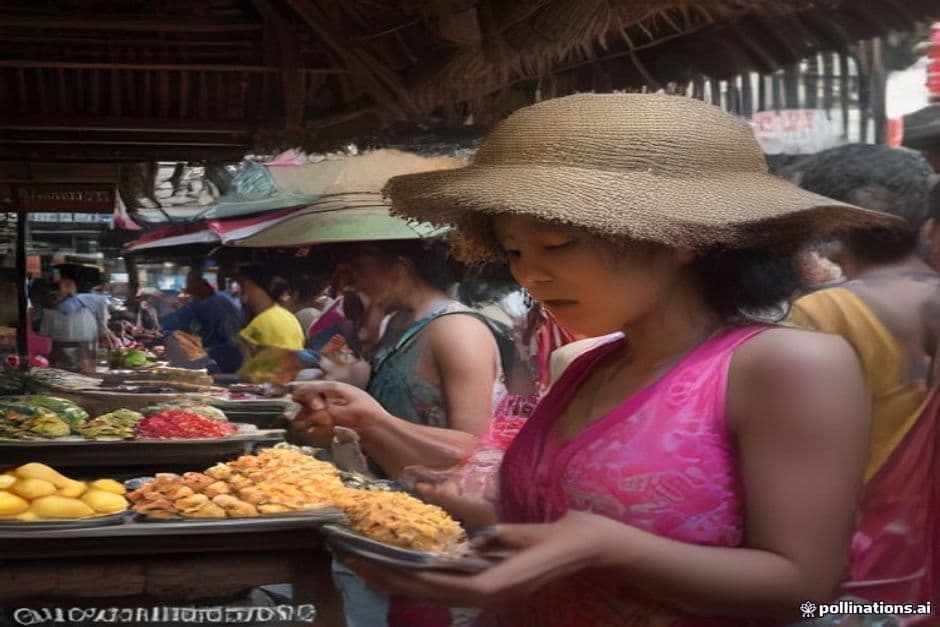
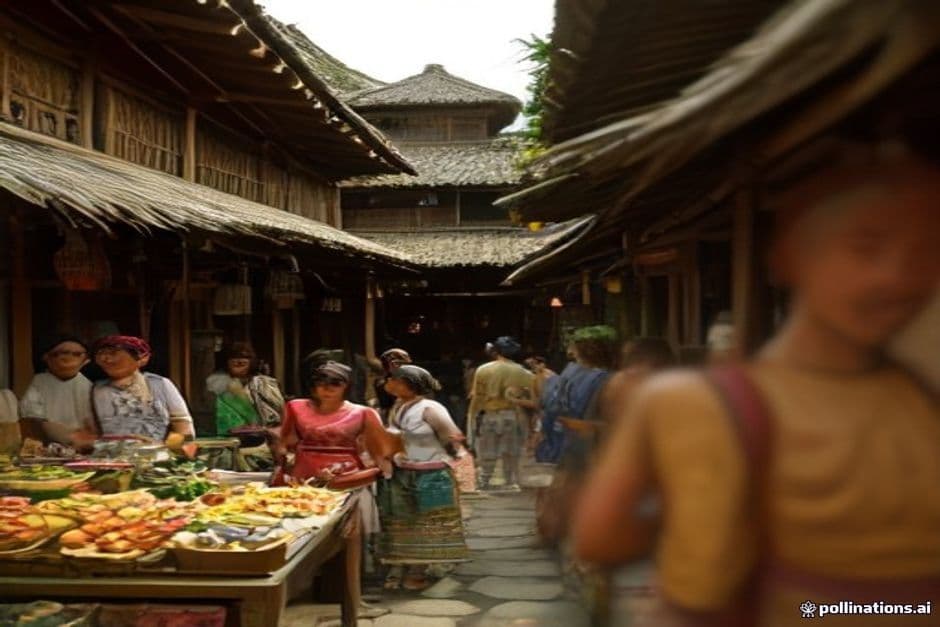
As Bali's tourism sector continues to recover, a new trend is emerging: the revitalization of traditional markets. These markets, once overshadowed by luxury malls and high-end shopping districts, are now drawing both locals and international visitors looking for authentic experiences. The island's vibrant cultural heritage is on full display as artisans and small vendors showcase their products in a lively atmosphere.
In areas like Ubud, the central market has seen a significant increase in foot traffic, with vendors offering everything from handmade crafts to local delicacies. This shift comes as the global travel industry emphasizes the importance of cultural authenticity, pushing travelers to seek experiences that connect them to the local community.
“The market is not just a place to shop; it’s a cultural experience,” says Made Sudiarta, a long-time vendor at Ubud Market. “Tourists can see how we live, taste our food, and take home a piece of Bali.” With an estimated 70% of tourists visiting local markets, this trend is reshaping how visitors engage with Balinese culture.
Similarly, in Canggu, the return of the traditional market has transformed the local landscape. The market, held every Saturday, features organic produce, handmade goods, and a food court showcasing local cuisine. This initiative not only supports local farmers and artisans but also attracts a diverse crowd, from families to digital nomads.
The resurgence of traditional markets in Bali can also be attributed to the local government’s efforts to promote cultural tourism. The Bali Provincial Tourism Office has launched campaigns encouraging tourists to explore beyond the typical beach resorts. By highlighting the island's markets, the government aims to boost local economies while fostering a deeper understanding of Balinese culture.
In tandem with these efforts, community events are being organized to celebrate local craftsmanship. Workshops on traditional Balinese cooking and handicrafts are becoming popular among tourists, allowing them to engage directly with local artisans. This approach not only enriches the visitor experience but also enhances the livelihood of local craftsmen.
As part of this cultural revival, the Bali Tourism Board has announced plans to establish a network of traditional markets across the island. This initiative aims to create a cohesive experience for tourists while supporting the local economy. “We want to ensure that our cultural heritage is preserved and shared with visitors,” says the Head of the Bali Tourism Board, I Gusti Ngurah Rai.
However, the rise of traditional markets does not come without challenges. As more tourists flock to these areas, issues such as overcrowding and the potential for commercialization threaten the authenticity of the experience. Local leaders are calling for sustainable practices to ensure that these markets remain true to their roots.
Moreover, the growing popularity of traditional markets is prompting discussions about balancing tourism with local needs. While increased visitor numbers can stimulate the economy, it is crucial that the local community benefits from this influx. Initiatives aimed at educating tourists on respectful engagement with local culture are being developed to mitigate potential negative impacts.
Looking ahead, the future of Bali's traditional markets appears promising. With ongoing support from the government and local businesses, these markets could play a significant role in the island's tourism landscape. As travelers increasingly seek authentic experiences, the charm of Bali's traditional markets is likely to shine even brighter.
In conclusion, the revival of traditional markets in Bali is not just a trend; it is a testament to the island’s vibrant culture and community spirit. As these markets continue to grow in popularity, they offer a unique lens through which visitors can experience the true essence of Bali.
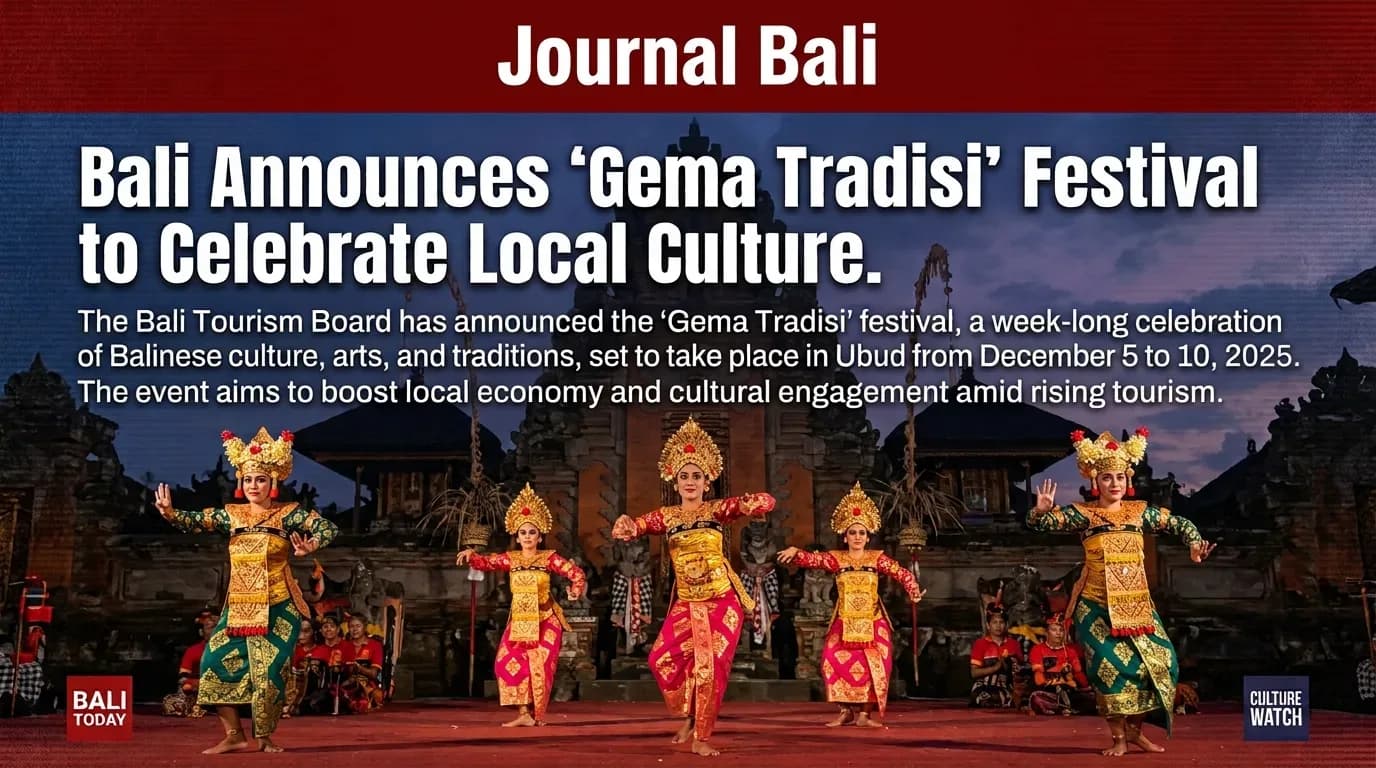

Read Also from Other Categories
Jakarta's New Policies Spark Controversy Over Bali's Agricultural Future
Recent agricultural policies from Jakarta are causing a stir in Bali, raising concerns among local farmers about their livelihoods. The provincial government is pushing back against regulations perceived as detrimental to traditional practices and food security.
Investors Eye Bali's Eco-Tourism Ventures Amid Rising Global Consciousness
As eco-tourism gains traction worldwide, Bali emerges as a hotspot for investments in sustainable travel ventures. Local entrepreneurs and international investors alike are capitalizing on the island's natural beauty and cultural richness to promote environmental responsibility.
Emergency Preparedness in Bali: A Community Focus Amid Natural Threats
As climate change intensifies weather patterns, Bali's communities are stepping up emergency preparedness measures. Local authorities emphasize the importance of readiness as the island faces increased risks from natural disasters.
Innovative Water Management Strategies Address Bali's Scarcity Crisis
Bali's growing water scarcity has prompted local governments and communities to implement innovative water management strategies. These initiatives aim to balance the needs of agriculture, tourism, and the local population while preserving the island's natural resources.
Uncovering Bali's Hidden Job Market: Opportunities in Eco-Tourism and Beyond
Bali's job landscape is evolving, with eco-tourism and sustainability initiatives creating new employment opportunities. As local businesses adapt to environmental challenges, training programs are emerging to equip workers with the necessary skills.
In Ubud, the Intersection of Art and Technology Sparks New Culture
As artists in Ubud embrace digital platforms, a cultural renaissance unfolds that blends traditional Balinese artistry with modern technology. This shift is redefining not only art consumption but also local community dynamics.
Comments (0)
No comments yet. Be the first!