Resilience in Tourism: Bali's Shift Towards Cultural Heritage Preservation
As Bali welcomes tourists back, the provincial government emphasizes the need for cultural heritage preservation. Governor Wayan Koster outlines new policies aimed at aligning tourism with local traditions and sustainable practices.

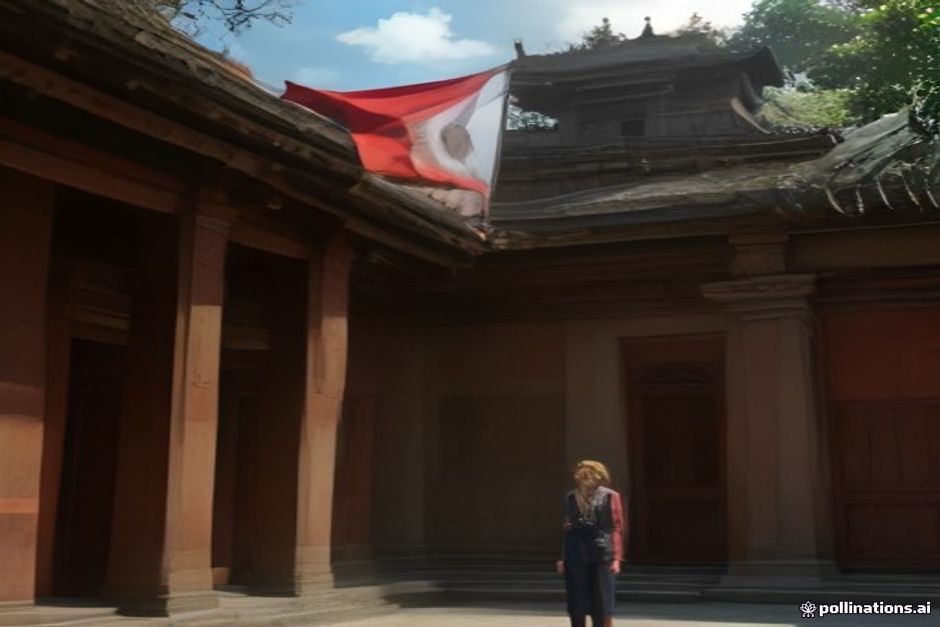
In the heart of Ubud, at the iconic Puri Saren Agung palace, a traditional Balinese dance performance captivates a diverse audience. The vibrant colors of the dancers' costumes contrast with the lush green surroundings, and the rhythmic sounds of gamelan music create an enchanting atmosphere. As tourists from around the world gather to witness this cultural spectacle, the importance of preserving Bali's rich heritage becomes increasingly apparent.
In recent months, the Bali provincial government has taken significant steps to ensure that tourism development aligns with the island's cultural values. Governor Wayan Koster, in a series of public statements, has emphasized the necessity of integrating cultural preservation into the tourism sector. "Tourism should not just be about visiting beautiful places; it must also respect and celebrate our traditions," Koster stated during a recent press conference.
The governor's commitment to cultural preservation is reflected in a new set of policies that aim to regulate the tourism industry more effectively. One of the key initiatives is the establishment of guidelines for cultural tourism, which will require businesses to adhere to practices that honor local customs and traditions. This move is a response to concerns that rapid tourism growth has often led to the commodification of Balinese culture, diluting its authenticity.
Among the new regulations is a requirement for all tourism operators to collaborate with local communities, ensuring that profits from tourism benefit the residents who preserve the cultural heritage. This initiative is expected to foster a sense of ownership among locals, encouraging them to engage in cultural activities that attract tourists while safeguarding their traditions.

Moreover, the government plans to invest in the training of local guides who will provide authentic experiences to visitors. These guides will be instructed not only on the historical significance of cultural sites but also on the importance of cultural sensitivity. According to Koster, "Our guides are the ambassadors of our culture. They play a vital role in educating tourists and promoting respect for our traditions."
As part of these efforts, the Bali Tourism Board has also launched a campaign to promote cultural events throughout the year, showcasing local festivals, ceremonies, and arts. This initiative aims to attract tourists who are interested in more than just the island's beaches, encouraging them to engage with the local community and its traditions.
However, implementing these changes comes with challenges. Some business owners express concern that stringent regulations could hinder their operations. In a recent meeting held at the Bali Business Association, one hotel manager voiced, "While we understand the need for preservation, there is a fine line between regulation and overreach. We need to ensure that businesses can thrive while still respecting our culture."
In response, the provincial government has assured that it will work collaboratively with business owners to create a balanced approach that fosters both economic growth and cultural preservation. Stakeholder meetings will be held regularly to discuss concerns and adapt policies as necessary.
The emphasis on cultural heritage is not just a local initiative; it aligns with broader national goals set by the Indonesian government to promote sustainable tourism. With the recent rise in international tourist arrivals, Bali is viewed as a critical player in Indonesia's tourism strategy. According to the Ministry of Tourism, Bali accounted for nearly 40% of all foreign tourist visits to Indonesia in 2023, highlighting the island's significance in the tourism landscape.
The effects of these new policies may take time to materialize, but the commitment to preserving Bali's cultural identity is clear. As tourists flock to the island, the hope is that they will leave with a deeper understanding and appreciation of Balinese culture, rather than just a collection of selfies against the backdrop of its stunning landscapes.
Looking ahead, Governor Koster's vision for a tourism industry that respects cultural heritage could redefine Bali's approach to tourism. By prioritizing local customs and sustainable practices, the government aims to create a more balanced relationship between tourists and the local community, ensuring that Bali remains not just a destination, but a living, breathing cultural experience.

Read Also from Other Categories

Shifting Sands: How Bali's Beachfront Hotels Are Adapting to Climate Change
Bali's beachfront hotels face increasing threats from climate change, prompting a significant shift in operational strategies. As rising sea levels and extreme weather become more prevalent, the hospitality sector is innovating to ensure sustainability and guest satisfaction.
Investors Eye Bali's Eco-Tourism Ventures Amid Rising Global Consciousness
As eco-tourism gains traction worldwide, Bali emerges as a hotspot for investments in sustainable travel ventures. Local entrepreneurs and international investors alike are capitalizing on the island's natural beauty and cultural richness to promote environmental responsibility.

Emergency Preparedness in Bali: A Community Focus Amid Natural Threats
As climate change intensifies weather patterns, Bali's communities are stepping up emergency preparedness measures. Local authorities emphasize the importance of readiness as the island faces increased risks from natural disasters.

Innovative Water Management Strategies Address Bali's Scarcity Crisis
Bali's growing water scarcity has prompted local governments and communities to implement innovative water management strategies. These initiatives aim to balance the needs of agriculture, tourism, and the local population while preserving the island's natural resources.
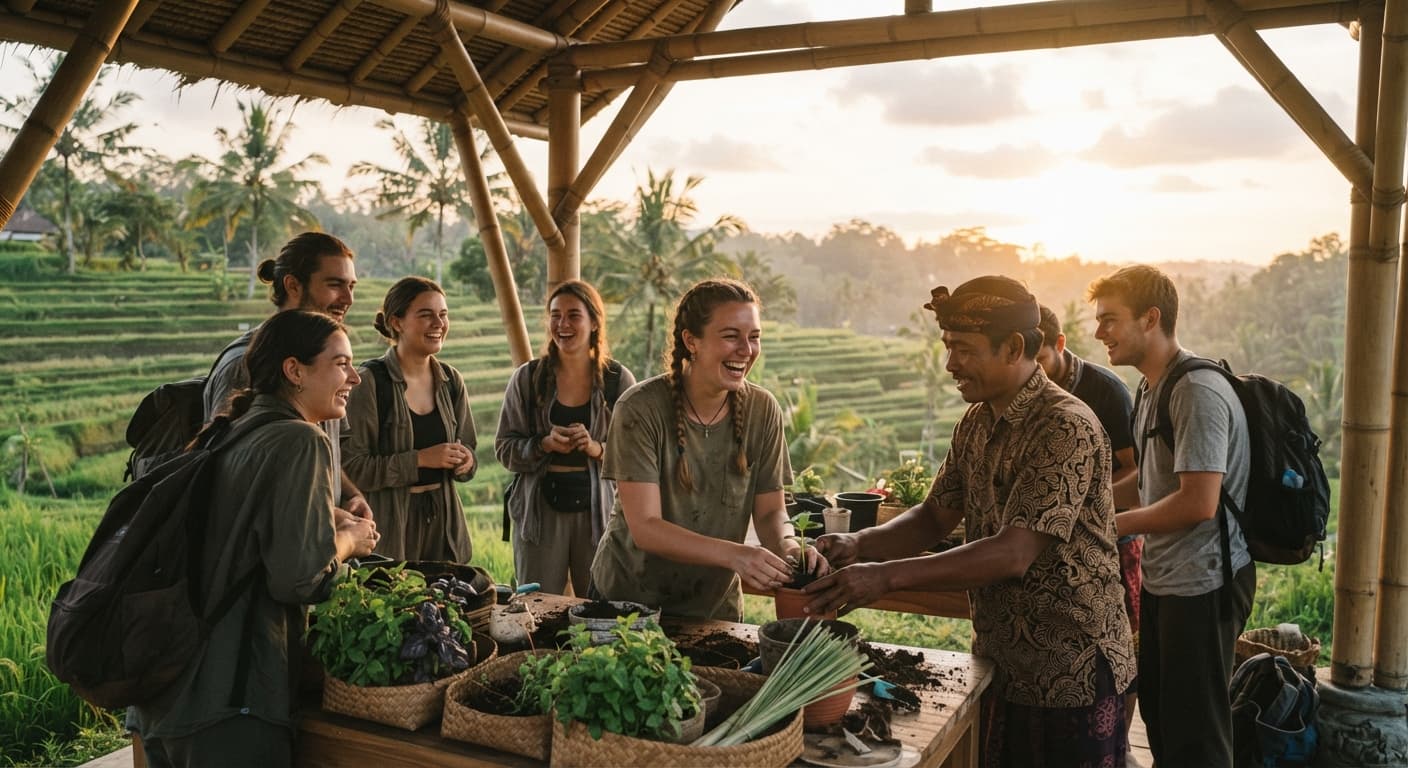
Uncovering Bali's Hidden Job Market: Opportunities in Eco-Tourism and Beyond
Bali's job landscape is evolving, with eco-tourism and sustainability initiatives creating new employment opportunities. As local businesses adapt to environmental challenges, training programs are emerging to equip workers with the necessary skills.
In Ubud, the Intersection of Art and Technology Sparks New Culture
As artists in Ubud embrace digital platforms, a cultural renaissance unfolds that blends traditional Balinese artistry with modern technology. This shift is redefining not only art consumption but also local community dynamics.
Comments (0)
No comments yet. Be the first!