Reimagining Bali's Tourism Landscape: The Rise of Eco-Conscious Travel
As the demand for sustainable travel experiences grows, Bali's tourism sector adapts by embracing eco-friendly practices. This shift is not only attracting environmentally aware visitors but also reshaping local economies and cultural interactions.
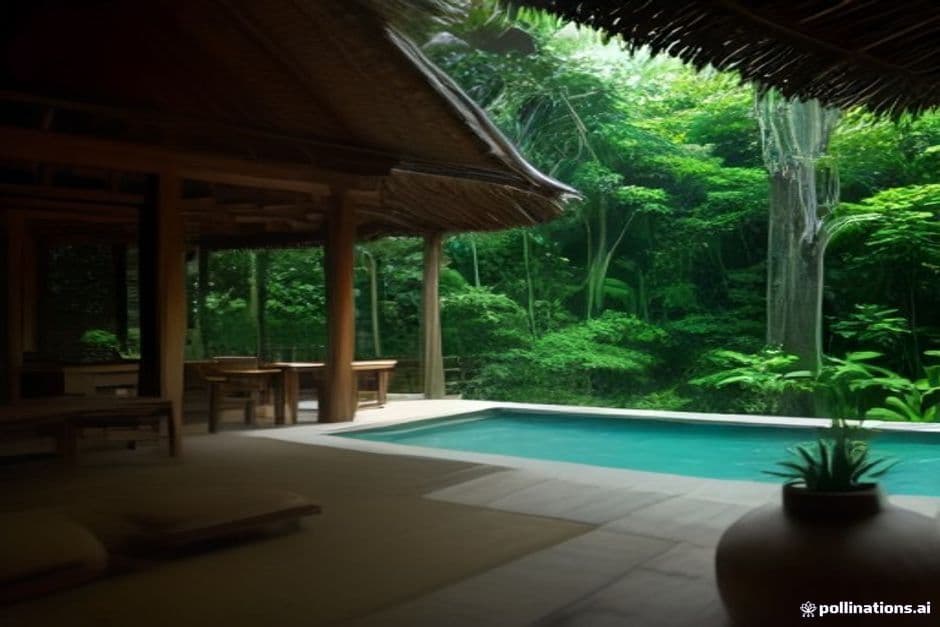
In the last year, 45% of travelers have shown a preference for eco-conscious travel options, a significant increase from 30% in 2022, indicating a profound shift in tourist behavior. This trend is driven by an increasing awareness of climate change and the impact of tourism on local environments. Bali, a perennial favorite among global travelers, is responding to this demand with innovative approaches that emphasize sustainability and responsible tourism.
Data from the Bali Tourism Board highlights that eco-friendly accommodations, such as those certified by Green Globe, have seen a 60% rise in bookings compared to previous years. Notable establishments like the Alila Villas Uluwatu and The Menjangan have implemented practices that reduce their carbon footprint while providing luxurious experiences. These hotels prioritize renewable energy, water conservation, and local sourcing of products, catering to the growing number of eco-conscious visitors.
Moreover, the Balinese government has initiated several policies aimed at promoting sustainable tourism. The Bali Sustainable Tourism Roadmap, launched in 2022, sets ambitious targets, including a 50% reduction in plastic waste by 2025. This initiative aligns with the global movement to eliminate single-use plastics and has led to the introduction of community clean-up programs and educational workshops on waste management.
As part of this eco-friendly shift, cultural tourism is being redefined. Traditional Balinese ceremonies and festivals are increasingly being integrated into eco-tourism packages. For example, the annual Ubud Writers & Readers Festival has begun to highlight local environmental issues, attracting a diverse audience interested in both literature and sustainability. This fusion not only enhances the visitor experience but also fosters a deeper connection between tourists and the local culture.

Further evidence of this trend is reflected in visitor feedback. Surveys conducted by local tourism agencies indicate that 73% of tourists are willing to pay more for experiences that support environmental sustainability. This willingness to invest in eco-friendly travel options is a powerful indicator that Bali's tourism industry must continue to adapt and innovate to stay competitive.
Travel agencies have also begun to pivot towards eco-friendly offerings. Companies such as Bali Eco Tours and Green Bike have reported a surge in interest for their sustainable excursions, which include guided treks through rice paddies, village tours, and wildlife conservation experiences. These activities not only provide immersive cultural experiences but also contribute to the local economy by supporting small businesses and artisans.
Despite these positive trends, challenges remain. The rise in eco-tourism has led to increased scrutiny regarding the authenticity of certain practices. Some establishments have been accused of 'greenwashing,' where they market themselves as eco-friendly without implementing substantial changes. Therefore, ensuring transparency and accountability within the tourism sector is essential to maintain credibility with consumers.

To combat these issues, the Bali Tourism Board is collaborating with environmental NGOs to establish a certification system for eco-friendly tourism operators. This initiative aims to create a standardized measure of sustainability that can help travelers make informed choices. It is anticipated that this system will be in place by early 2025, providing a clearer framework for what constitutes genuine eco-tourism in Bali.
As Bali continues to embrace eco-conscious tourism, the impact on local communities is profound. Sustainable tourism not only enhances the visitor experience but also empowers local people by providing job opportunities in conservation and sustainable practices. Additionally, it fosters a sense of pride among residents, as their culture and environment gain recognition on the global stage.
In conclusion, the rise of eco-conscious travel is reshaping Bali's tourism landscape, driving innovation and fostering sustainable practices. As the island adapts to meet the demands of environmentally aware travelers, it sets a precedent for other destinations grappling with similar challenges. With ongoing efforts to enhance sustainability, Bali is positioned to become a leading example of how tourism can harmonize with environmental stewardship.

Read Also from Other Categories

Jakarta's New Policies Spark Controversy Over Bali's Agricultural Future
Recent agricultural policies from Jakarta are causing a stir in Bali, raising concerns among local farmers about their livelihoods. The provincial government is pushing back against regulations perceived as detrimental to traditional practices and food security.
Investors Eye Bali's Eco-Tourism Ventures Amid Rising Global Consciousness
As eco-tourism gains traction worldwide, Bali emerges as a hotspot for investments in sustainable travel ventures. Local entrepreneurs and international investors alike are capitalizing on the island's natural beauty and cultural richness to promote environmental responsibility.

Emergency Preparedness in Bali: A Community Focus Amid Natural Threats
As climate change intensifies weather patterns, Bali's communities are stepping up emergency preparedness measures. Local authorities emphasize the importance of readiness as the island faces increased risks from natural disasters.

Innovative Water Management Strategies Address Bali's Scarcity Crisis
Bali's growing water scarcity has prompted local governments and communities to implement innovative water management strategies. These initiatives aim to balance the needs of agriculture, tourism, and the local population while preserving the island's natural resources.

Uncovering Bali's Hidden Job Market: Opportunities in Eco-Tourism and Beyond
Bali's job landscape is evolving, with eco-tourism and sustainability initiatives creating new employment opportunities. As local businesses adapt to environmental challenges, training programs are emerging to equip workers with the necessary skills.

In Ubud, the Intersection of Art and Technology Sparks New Culture
As artists in Ubud embrace digital platforms, a cultural renaissance unfolds that blends traditional Balinese artistry with modern technology. This shift is redefining not only art consumption but also local community dynamics.
Comments (0)
No comments yet. Be the first!