Record High Hotel Occupancy Rates Drive Bali's Tourism Resurgence
Bali's hotel occupancy rates have reached an impressive 80% in 2026, reflecting a significant recovery in the tourism sector. This surge is attributed to new policies and a revival of international travel post-pandemic.
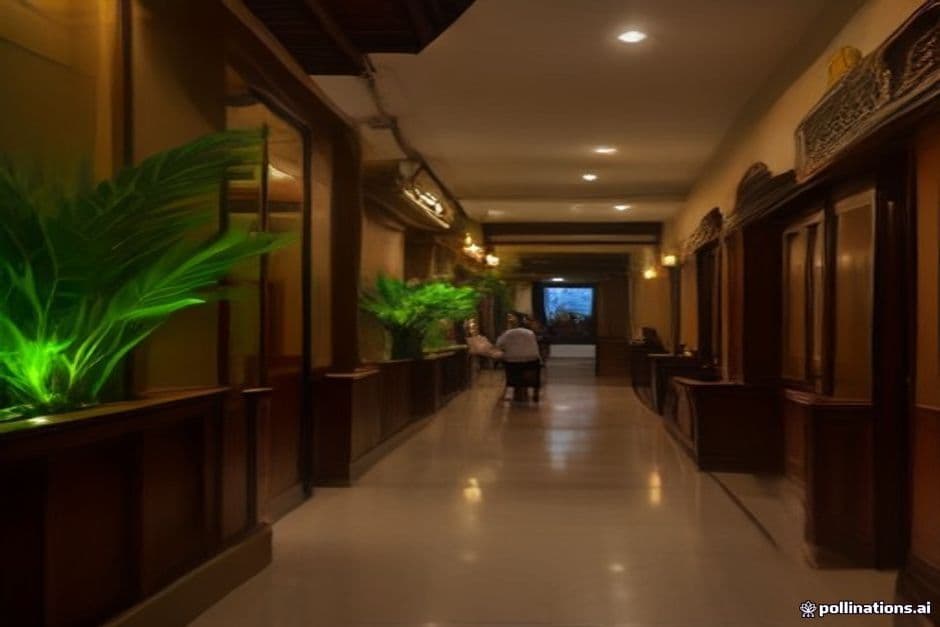
In 2026, Bali's hotel occupancy rates soared to a remarkable 80%, marking a 15% increase from the previous year. This resurgence is a clear indicator of the island's recovery from the pandemic's impact on tourism and aligns with the global trend of increasing travel interest. The Bali Hotel Association (BHA) attributes this growth to various factors, including improved flight connectivity and a robust marketing strategy targeting international tourists.
According to data from the Indonesian Ministry of Tourism, international tourist arrivals in Bali reached 7.5 million in the first half of 2026 alone, a significant rebound from the 4 million recorded during the same period in 2025. This increase is largely due to the easing of travel restrictions and the reinstatement of direct flights from major cities such as Sydney, Tokyo, and Los Angeles, which have resulted in a 25% rise in seat capacity compared to last year.
Bali's tourism landscape has also adapted to changing visitor preferences, with a notable shift towards experiential travel. Tourists are increasingly interested in authentic experiences that connect them with the local culture. Data from survey responses indicate that 68% of travelers are prioritizing cultural immersion and sustainability in their travel choices, further driving demand for accommodations that offer unique cultural experiences.
As a response, hotels across the island are implementing innovative strategies to attract this demographic. Many establishments are enhancing their offerings by incorporating traditional Balinese elements into their hospitality services. For instance, luxury resorts such as the Mandapa, a Ritz-Carlton Reserve in Ubud, have introduced immersive cultural activities, including cooking classes and traditional dance performances, which have proven to be popular among guests.

Moreover, the Bali government has invested heavily in improving infrastructure to support this tourism boom. The recent upgrades to Ngurah Rai International Airport have increased capacity and efficiency, allowing for smoother arrivals and departures. Enhanced road networks, particularly in popular tourist areas like Seminyak and Ubud, have also contributed to a more seamless travel experience for visitors. Traffic congestion has decreased by approximately 30%, making it easier for tourists to explore the island.
In addition to physical infrastructure, the Bali Tourism Board has launched targeted marketing campaigns that emphasize the island's safety and welcoming environment. These campaigns highlight Bali's commitment to health protocols, which have been crucial in reassuring travelers hesitant to visit post-pandemic. As a result, more than 90% of the hospitality workforce in Bali has been vaccinated, further promoting a safe travel environment.
Festivals and cultural events have also played a significant role in attracting tourists back to Bali. The Bali Arts Festival, which resumed in June 2026 after a two-year hiatus, attracted over 200,000 visitors. This festival is crucial not only for cultural preservation but also for boosting local economies. Participants in the festival reported an average increase of 40% in sales compared to previous years.
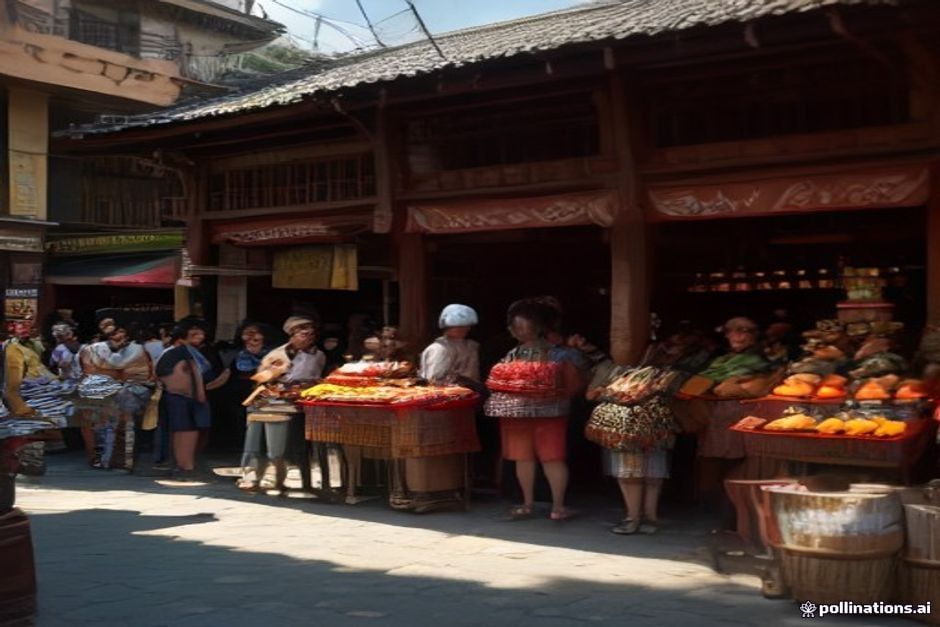
Despite the positive trends, challenges remain. The tourism sector is urged to remain vigilant regarding sustainability practices. A report from the World Wildlife Fund (WWF) highlighted that increased tourism could strain Bali's natural resources. Local authorities are now focusing on implementing sustainable tourism initiatives to ensure that the island's beauty is preserved for future generations.
In conclusion, Bali's tourism sector is on a promising trajectory, with hotel occupancy rates reflecting a robust recovery. The combination of increased international arrivals, enhanced visitor experiences, and solid infrastructure improvements positions Bali as a leading destination in Asia Pacific. However, continued investment in sustainable practices will be essential to maintain this growth and protect the island's unique cultural and natural heritage.

Read Also from Other Categories

Jakarta's New Policies Spark Controversy Over Bali's Agricultural Future
Recent agricultural policies from Jakarta are causing a stir in Bali, raising concerns among local farmers about their livelihoods. The provincial government is pushing back against regulations perceived as detrimental to traditional practices and food security.
Investors Eye Bali's Eco-Tourism Ventures Amid Rising Global Consciousness
As eco-tourism gains traction worldwide, Bali emerges as a hotspot for investments in sustainable travel ventures. Local entrepreneurs and international investors alike are capitalizing on the island's natural beauty and cultural richness to promote environmental responsibility.

Emergency Preparedness in Bali: A Community Focus Amid Natural Threats
As climate change intensifies weather patterns, Bali's communities are stepping up emergency preparedness measures. Local authorities emphasize the importance of readiness as the island faces increased risks from natural disasters.

Innovative Water Management Strategies Address Bali's Scarcity Crisis
Bali's growing water scarcity has prompted local governments and communities to implement innovative water management strategies. These initiatives aim to balance the needs of agriculture, tourism, and the local population while preserving the island's natural resources.
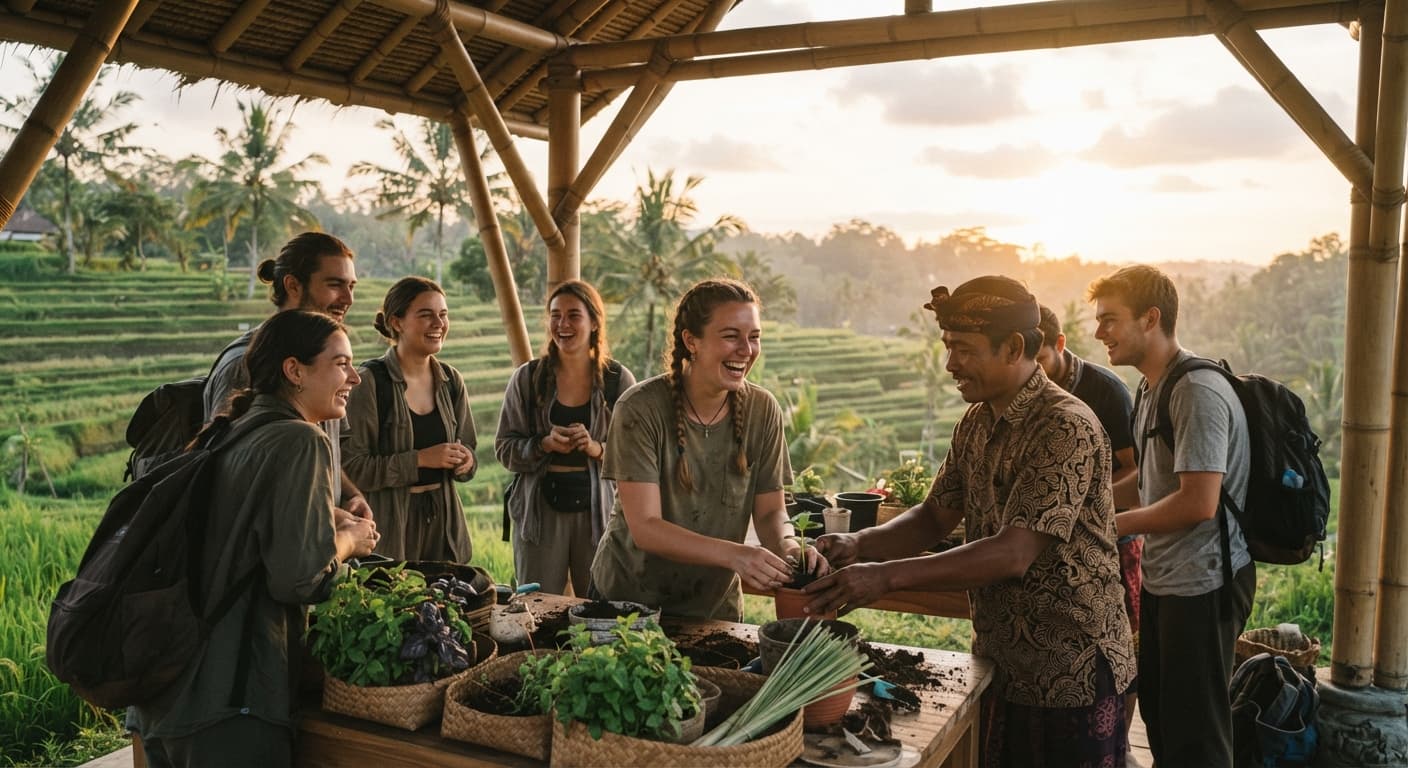
Uncovering Bali's Hidden Job Market: Opportunities in Eco-Tourism and Beyond
Bali's job landscape is evolving, with eco-tourism and sustainability initiatives creating new employment opportunities. As local businesses adapt to environmental challenges, training programs are emerging to equip workers with the necessary skills.
In Ubud, the Intersection of Art and Technology Sparks New Culture
As artists in Ubud embrace digital platforms, a cultural renaissance unfolds that blends traditional Balinese artistry with modern technology. This shift is redefining not only art consumption but also local community dynamics.
Comments (0)
No comments yet. Be the first!