New Waste Management Initiative Seeks to Tackle Bali's Plastic Crisis
Bali's local government has launched a comprehensive waste management program aiming to reduce plastic waste by 30% by 2025. This initiative not only seeks to improve the island's environmental health but also aims to enhance community engagement in sustainability efforts.
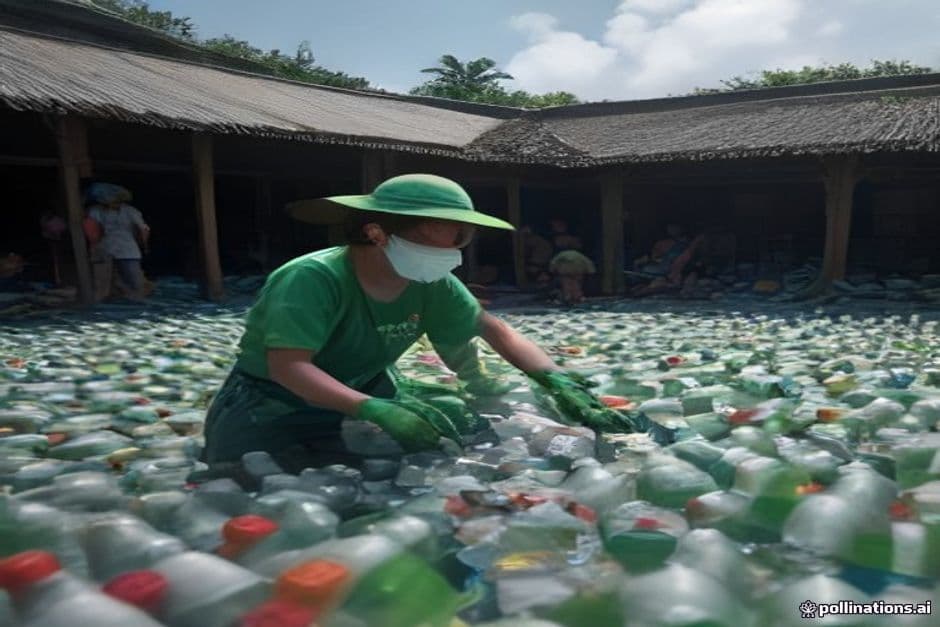
Bali has set an ambitious target of reducing plastic waste by 30% by 2025, driven by a new waste management initiative launched by local government authorities. This program is a direct response to the ongoing plastic crisis that has plagued the island, where estimates suggest that over 1,000 tons of plastic waste are generated daily. With tourism being a major contributor to this issue, the initiative aims to create a cleaner, more sustainable environment for both residents and visitors alike.
In 2022, Bali saw a staggering increase of 20% in plastic waste compared to the previous year, highlighting the urgent need for effective solutions. The local government, in collaboration with various NGOs and community groups, has implemented a series of measures designed to not only address waste management but also to foster community involvement. Educational campaigns will be rolled out to inform residents and tourists about proper waste disposal practices and the importance of reducing single-use plastics.
As part of this initiative, the government has established multiple recycling centers across key tourist areas, including Kuta, Seminyak, and Ubud. These centers will serve as collection points for plastic waste, enabling easier access for both locals and tourists to dispose of their plastic responsibly. Local officials estimate that, with the introduction of these centers, approximately 250 tons of plastic waste could be redirected from landfills each month.
Moreover, the initiative includes partnerships with local businesses to promote sustainable alternatives to plastic products. For instance, restaurants and cafes are encouraged to switch to biodegradable packaging and utensils. In a recent survey conducted among local businesses, 65% expressed interest in participating in eco-friendly practices, indicating a positive shift towards sustainability.

The significance of this initiative extends beyond just waste reduction; it also aims to bolster Bali's reputation as a green destination. According to the Bali Tourism Board, 78% of tourists indicated that they would be more likely to visit Bali if they knew about its environmental initiatives. This presents a unique opportunity for the island to attract eco-conscious travelers while simultaneously addressing its environmental challenges.
As of early 2023, the program has already seen a 10% reduction in plastic waste in participating areas. This early success suggests that with continued community engagement and effective management strategies, Bali can achieve its 2025 goal. Local leaders, including the Head of Bali's Environmental Agency, have emphasized the importance of collective effort in achieving these targets, stating, "Every small action counts, and together, we can create a significant impact on our environment."
In addition to waste reduction, the initiative also aims to enhance the island's biodiversity through initiatives such as beach clean-ups and tree planting campaigns. Community members are encouraged to take part in these activities, fostering a sense of ownership and responsibility towards their environment. Recent events have attracted significant participation, with over 1,500 volunteers joining beach clean-ups in just the past month.

Looking ahead, the local government plans to expand this initiative to include more educational programs in schools, aiming to instill the values of sustainability in the younger generation. By raising awareness among children, the hope is to cultivate a culture of environmental stewardship that will last for generations.
The challenges posed by plastic waste in Bali are significant, but with the new waste management initiative and the support of the community, there is a tangible path towards a cleaner, more sustainable future. As Bali continues to navigate the complexities of tourism and environmental conservation, the success of this initiative may serve as a model for other regions facing similar challenges.



Read Also from Other Categories

Shifting Sands: How Bali's Beachfront Hotels Are Adapting to Climate Change
Bali's beachfront hotels face increasing threats from climate change, prompting a significant shift in operational strategies. As rising sea levels and extreme weather become more prevalent, the hospitality sector is innovating to ensure sustainability and guest satisfaction.

Jakarta's New Policies Spark Controversy Over Bali's Agricultural Future
Recent agricultural policies from Jakarta are causing a stir in Bali, raising concerns among local farmers about their livelihoods. The provincial government is pushing back against regulations perceived as detrimental to traditional practices and food security.

Investors Eye Bali's Eco-Tourism Ventures Amid Rising Global Consciousness
As eco-tourism gains traction worldwide, Bali emerges as a hotspot for investments in sustainable travel ventures. Local entrepreneurs and international investors alike are capitalizing on the island's natural beauty and cultural richness to promote environmental responsibility.

Emergency Preparedness in Bali: A Community Focus Amid Natural Threats
As climate change intensifies weather patterns, Bali's communities are stepping up emergency preparedness measures. Local authorities emphasize the importance of readiness as the island faces increased risks from natural disasters.

Uncovering Bali's Hidden Job Market: Opportunities in Eco-Tourism and Beyond
Bali's job landscape is evolving, with eco-tourism and sustainability initiatives creating new employment opportunities. As local businesses adapt to environmental challenges, training programs are emerging to equip workers with the necessary skills.

In Ubud, the Intersection of Art and Technology Sparks New Culture
As artists in Ubud embrace digital platforms, a cultural renaissance unfolds that blends traditional Balinese artistry with modern technology. This shift is redefining not only art consumption but also local community dynamics.
Comments (0)
No comments yet. Be the first!