New Regulations Target Bali's Fishing Industry Amid Environmental Concerns
Bali's provincial government has introduced new regulations aimed at protecting local fisheries and marine ecosystems. The measures, driven by growing environmental concerns, are set to reshape the fishing industry and bolster sustainable practices.
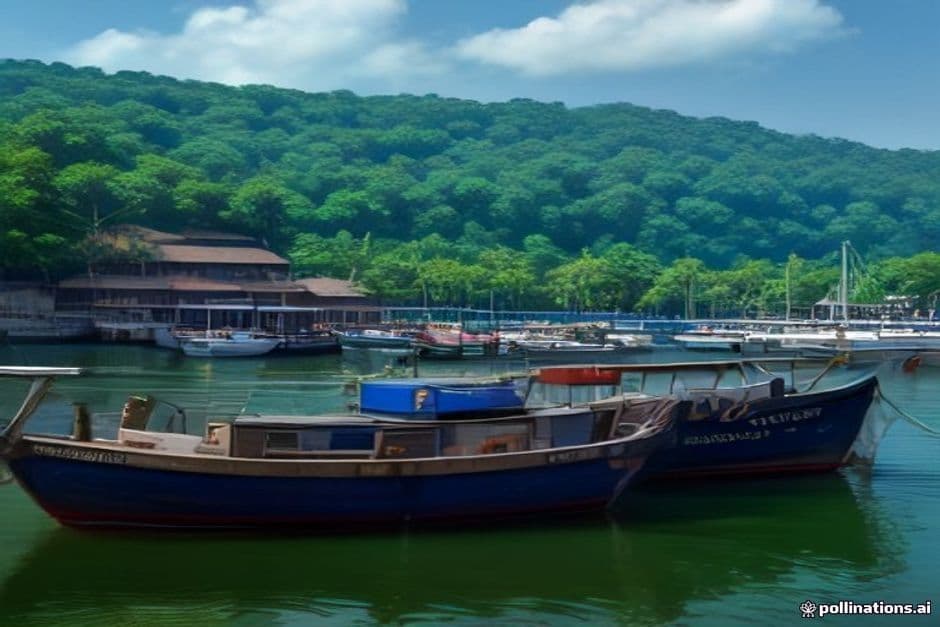
Bali's provincial government has recently enacted a series of regulations aimed at enhancing the sustainability of the island’s fishing industry while addressing increasing environmental concerns. These measures come in response to the alarming depletion of local fish stocks and the degradation of marine habitats, which have been exacerbated by overfishing and pollution.
Governor Wayan Koster emphasized the importance of these regulations during a recent meeting with local fishermen and environmental advocates. "We must protect our marine resources not only for the present but also for future generations," Koster stated. The new policies are designed to balance economic needs with ecological preservation, reflecting the government’s commitment to sustainable development.
The regulations will introduce stricter licensing requirements for fishing vessels, limit catch quotas, and establish marine protected areas (MPAs) around key fishing zones. These MPAs will restrict certain fishing activities that are deemed harmful to marine biodiversity, allowing ecosystems to recover and thrive.
According to the Bali Fisheries Agency, the new licensing system aims to reduce the number of unregistered fishing boats operating in local waters. Currently, an estimated 60% of fishing vessels in Bali are unlicensed, contributing to unregulated fishing practices. By enforcing a more rigorous licensing process, the government hopes to ensure that fishing activities are conducted responsibly and sustainably.

Additionally, the regulations will require fishermen to adopt more eco-friendly practices, such as using selective fishing gear that minimizes bycatch. Training programs will be implemented to educate local fishermen on sustainable techniques, with the support of NGOs and environmental organizations.
Local fishermen have expressed mixed reactions to the proposed changes. Some welcome the regulations, seeing them as a necessary step towards preserving fish populations and improving their livelihoods in the long run. Others, however, worry that the restrictions could limit their immediate fishing opportunities and impact their income.
"We understand the need for change, but we also need to feed our families today," said Made Wira, a fisherman from Jimbaran. The provincial government has acknowledged these concerns and is working to provide financial assistance and alternative livelihood options for those affected by the new regulations.
The impact of these regulations is expected to extend beyond the fishing industry. As marine ecosystems recover, tourism activities such as snorkeling and diving may also benefit from healthier coral reefs and diverse marine life. Bali's tourism sector heavily relies on its natural beauty, and ensuring the protection of marine environments could enhance the island's appeal to eco-conscious tourists.

Furthermore, the provincial government is collaborating with the Ministry of Marine Affairs and Fisheries to secure funding for the implementation of the new measures. This partnership aims to facilitate research on local fish stocks and support the establishment of monitoring systems to ensure compliance with the new regulations.
In light of these developments, various stakeholders, including local communities, environmental groups, and government agencies, are being encouraged to engage in ongoing discussions about the future of Bali's marine resources. Public forums and workshops will be organized to gather feedback and foster collaboration in implementing these changes.
As Bali moves forward with these regulations, the focus will remain on balancing economic growth with environmental stewardship. The provincial government is committed to monitoring the effects of these new measures and adjusting them as necessary to achieve the desired outcomes for both the fishing industry and the marine environment.



Read Also from Other Categories

Shifting Sands: How Bali's Beachfront Hotels Are Adapting to Climate Change
Bali's beachfront hotels face increasing threats from climate change, prompting a significant shift in operational strategies. As rising sea levels and extreme weather become more prevalent, the hospitality sector is innovating to ensure sustainability and guest satisfaction.

Investors Eye Bali's Eco-Tourism Ventures Amid Rising Global Consciousness
As eco-tourism gains traction worldwide, Bali emerges as a hotspot for investments in sustainable travel ventures. Local entrepreneurs and international investors alike are capitalizing on the island's natural beauty and cultural richness to promote environmental responsibility.

Emergency Preparedness in Bali: A Community Focus Amid Natural Threats
As climate change intensifies weather patterns, Bali's communities are stepping up emergency preparedness measures. Local authorities emphasize the importance of readiness as the island faces increased risks from natural disasters.

Innovative Water Management Strategies Address Bali's Scarcity Crisis
Bali's growing water scarcity has prompted local governments and communities to implement innovative water management strategies. These initiatives aim to balance the needs of agriculture, tourism, and the local population while preserving the island's natural resources.

Uncovering Bali's Hidden Job Market: Opportunities in Eco-Tourism and Beyond
Bali's job landscape is evolving, with eco-tourism and sustainability initiatives creating new employment opportunities. As local businesses adapt to environmental challenges, training programs are emerging to equip workers with the necessary skills.

In Ubud, the Intersection of Art and Technology Sparks New Culture
As artists in Ubud embrace digital platforms, a cultural renaissance unfolds that blends traditional Balinese artistry with modern technology. This shift is redefining not only art consumption but also local community dynamics.
Comments (0)
No comments yet. Be the first!