Navigating Bali's Hidden Dangers: A Surge in Fire Incidents
As Bali's dry season intensifies, the island sees an alarming rise in fire incidents. Local authorities are urging residents and tourists to remain vigilant and follow safety protocols to prevent further tragedies.

The bright sun hung high over the rice paddies of Ubud, casting long shadows as locals tended to their fields. A gentle breeze carried the scent of damp earth, a stark contrast to the devastating fires that had recently ravaged parts of the island. Just a few kilometers away, the charred remains of what was once a vibrant stretch of forest served as a grim reminder of the hidden dangers lurking beneath Bali's picturesque facade.
In the past month alone, Bali has witnessed a significant uptick in fire incidents, with local authorities reporting over 20 separate cases throughout the island, primarily in rural areas. The peak of the dry season, which typically runs from May to September, has created ideal conditions for wildfires, posing serious threats to both the environment and local communities. The recent fires have not only destroyed vast swathes of natural habitat but also endangered homes and livelihoods across various regions, including Gianyar and Tabanan.
“We are experiencing a troubling trend,” said I Made Suardika, the Head of the Bali Fire Department. “The combination of dry weather and human activity has created the perfect storm for fires. We are doing everything possible to contain these incidents, but we need the public's help.” Suardika’s call to action highlights the importance of community involvement in fire prevention, urging residents to report any signs of smoke or suspicious activity immediately.
One of the most devastating fires occurred last week near the popular tourist destination of Tanah Lot, where flames engulfed several hectares of land, threatening nearby temples and tourist facilities. Firefighters battled the blaze for hours, facing challenges from high winds and difficult terrain. Despite their efforts, the fire left a trail of destruction, prompting local officials to issue warnings about the dangers of open flames and careless disposal of cigarette butts.

As tourists flock to Bali for its stunning landscapes and rich culture, the potential for fire-related emergencies looms large. Local establishments, including hotels and restaurants, are being urged to implement rigorous fire safety measures to protect both patrons and property. In Canggu, a busy hub for tourists, several cafes have already begun conducting fire drills and educating staff on emergency response protocols.
“Safety is our top priority,” said Nyoman, a manager at a popular beachfront restaurant. “We want our guests to enjoy their time here but also to be aware of the risks. We have increased our fire safety measures and are working closely with local authorities.”
The Bali Provincial Government is actively addressing the issue through public awareness campaigns aimed at educating both locals and tourists about fire hazards. Posters and flyers have been distributed throughout popular tourist areas, emphasizing the importance of fire safety and encouraging responsible behavior.
Despite these efforts, some residents remain skeptical. “We see the same warnings every year, but nothing changes,” expressed Bali resident Wayan Agus, who lives near a forested area. “It’s frustrating to see our land burn year after year.”
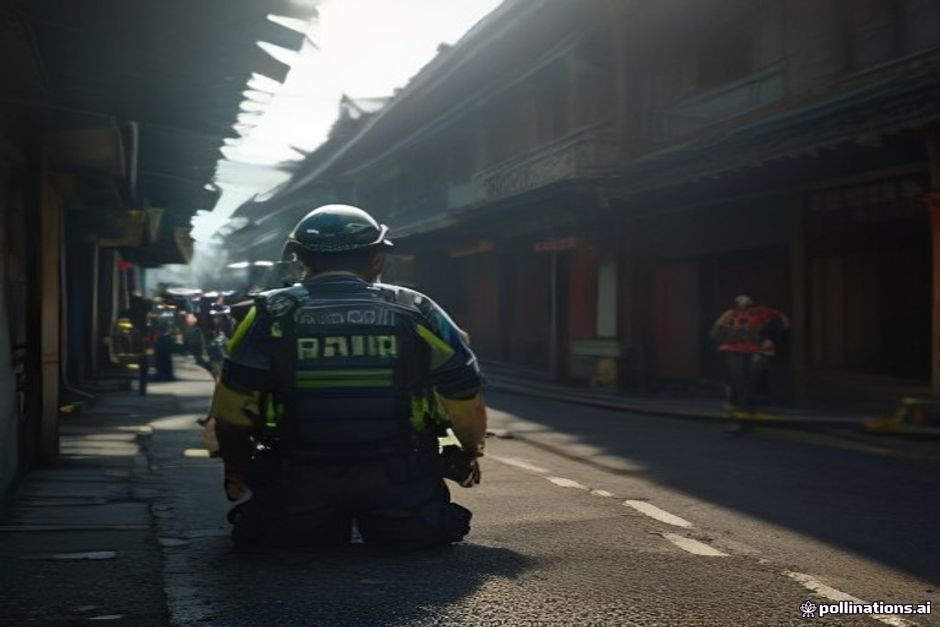
Environmental experts are also raising concerns about the long-term impact of these fires on Bali’s ecosystem. The loss of vegetation not only contributes to soil erosion but also affects local wildlife, disrupting habitats and food sources. “These fires are not just a seasonal issue; they have lasting consequences for our environment,” explained Dr. Ayu Sari, an environmental scientist based in Denpasar.
As Bali continues to face the dual challenges of tourism and environmental preservation, the need for comprehensive fire management strategies becomes increasingly urgent. Local authorities are exploring partnerships with non-governmental organizations to implement more effective fire prevention measures and restoration projects aimed at rehabilitating affected areas.
Looking ahead, the community is encouraged to stay vigilant, particularly as the dry season progresses. The Bali Fire Department has set up a dedicated hotline for reporting fires and suspicious activity, ensuring a quicker response from emergency services. “Together, we can protect our beautiful island,” Suardika emphasized, urging everyone to take proactive steps in safeguarding Bali’s natural beauty.



Read Also from Other Categories

Exploring Bali's Culinary Festivals: A Feast for Tourists and Locals Alike
Bali's culinary festivals are transforming the island into a gastronomic paradise, drawing food lovers from around the globe. These vibrant events not only celebrate local cuisine but also boost tourism and engage the community.

Public Health Policy Overhaul: Bali's Bold Steps Toward Enhanced Services
Bali's provincial government is set to revamp its public health policies, aiming for a 30% increase in healthcare accessibility by 2025. This initiative, announced by Governor Wayan Koster, focuses on improving infrastructure and community health programs across the island.

Investment Landscape Shifts as Bali Attracts Tech-Focused Funds
Bali is witnessing a significant influx of investment in tech startups, reshaping its economic landscape. This trend highlights the island's growing reputation as a hub for innovation and digital solutions.
Residents Rally for Improved Sanitation in North Bali's Singaraja
In Singaraja, local residents are banding together to address long-standing sanitation issues in their neighborhoods. This community-driven initiative aims to enhance public health and environmental conditions through collaborative efforts with local government agencies.

Emerging Career Paths: Bali's Focus on Digital Skills and Local Talent
Bali is witnessing a significant shift towards digital skills training to meet the demands of its evolving job market. Local initiatives are empowering residents, particularly youth, with the necessary tools to thrive in an increasingly competitive economy.

Cultural Clash: The Impact of Bali's Tourism Boom on Local Livelihoods
As Bali's tourism industry rebounds post-pandemic, local communities face challenges in preserving their cultural identity. This article explores the growing tension between cultural preservation and the rising demand for authentic experiences from visitors.
Comments (0)
No comments yet. Be the first!