Hotel Innovations Pave the Way for Bali's Tourism Growth in 2026
Bali's hotel sector is witnessing a shift towards innovative experiences, aimed at enhancing visitor satisfaction. This transformation is driven by a demand for unique accommodations and sustainable practices, reshaping the island's tourism landscape.

In 2026, Bali's hotel industry is set to experience a significant transformation as visitor preferences shift towards innovative and sustainable accommodations. This change is underscored by a 30% increase in the demand for boutique hotels and eco-friendly lodgings, reflecting a broader trend in global travel where tourists seek authentic experiences and environmental responsibility.
According to data from the Bali Tourism Board, in the first quarter of 2026, there has been a notable surge in hotel bookings, with boutique hotels reporting an occupancy rate of 85%, up from 70% in the same period last year. This rise is attributed to a growing number of travelers prioritizing personalized experiences and sustainable options during their vacations.
In response to this demand, several hotels across Bali are implementing innovative practices. For instance, the Fivelements Retreat in Mambal has introduced a unique wellness program that combines traditional Balinese healing with modern wellness practices, attracting health-conscious travelers. Furthermore, hotels like the Hotel Indigo in Seminyak are incorporating local art and culture into their design and services, providing guests with an immersive experience that reflects Bali's rich heritage.
The Ministry of Tourism and Creative Economy has also recognized this trend, stating that the focus on innovation and sustainability is crucial for Bali's tourism recovery post-pandemic. Minister Sandiaga Uno highlighted that "transformative experiences are key to engaging today's travelers, who are more conscious of their environmental impact." This aligns with a broader initiative to promote sustainable tourism practices across Indonesia.

Comparatively, neighboring regions such as Thailand have seen a similar trend with a 25% increase in eco-friendly resorts. However, Bali's unique cultural heritage and commitment to sustainability position it as a competitive leader in the region. By embracing new technologies and practices, Bali aims to maintain its appeal on the global stage.
Among the notable innovations, the use of artificial intelligence in hotel management is becoming increasingly prevalent. Hotels are employing AI-driven solutions for personalized guest experiences, optimizing operations, and enhancing customer service. For example, resorts in Nusa Dua are utilizing AI chatbots to provide instant assistance to guests, improving satisfaction rates and operational efficiency.
Furthermore, Bali's commitment to sustainability is evident in its recent initiatives aimed at reducing plastic waste. Many hotels are adopting zero-waste policies and sourcing local materials for their operations. The eco-conscious traveler is responding positively, with surveys indicating that 70% of visitors prefer staying at establishments committed to sustainable practices.

As the industry evolves, the role of local communities is becoming increasingly essential. Hotels are collaborating with local artisans and farmers to create authentic experiences that support the local economy. Programs that allow guests to participate in traditional Balinese cooking classes or craft workshops have gained popularity, enhancing the cultural experience for visitors while benefiting the community.
Looking ahead, the Bali Hotel Association projects that by 2027, there will be a 40% increase in the number of boutique and eco-friendly hotels on the island. This growth will not only cater to the rising demand but will also help preserve Bali's cultural and natural heritage.
In conclusion, Bali's hotel sector is at the forefront of a pivotal shift towards innovation and sustainability. With a focus on enhancing visitor experiences and engaging local communities, the island's tourism landscape is poised for a dynamic evolution, making it a model for other destinations in the region.

Read Also from Other Categories

Jakarta's New Policies Spark Controversy Over Bali's Agricultural Future
Recent agricultural policies from Jakarta are causing a stir in Bali, raising concerns among local farmers about their livelihoods. The provincial government is pushing back against regulations perceived as detrimental to traditional practices and food security.
Investors Eye Bali's Eco-Tourism Ventures Amid Rising Global Consciousness
As eco-tourism gains traction worldwide, Bali emerges as a hotspot for investments in sustainable travel ventures. Local entrepreneurs and international investors alike are capitalizing on the island's natural beauty and cultural richness to promote environmental responsibility.

Emergency Preparedness in Bali: A Community Focus Amid Natural Threats
As climate change intensifies weather patterns, Bali's communities are stepping up emergency preparedness measures. Local authorities emphasize the importance of readiness as the island faces increased risks from natural disasters.

Innovative Water Management Strategies Address Bali's Scarcity Crisis
Bali's growing water scarcity has prompted local governments and communities to implement innovative water management strategies. These initiatives aim to balance the needs of agriculture, tourism, and the local population while preserving the island's natural resources.
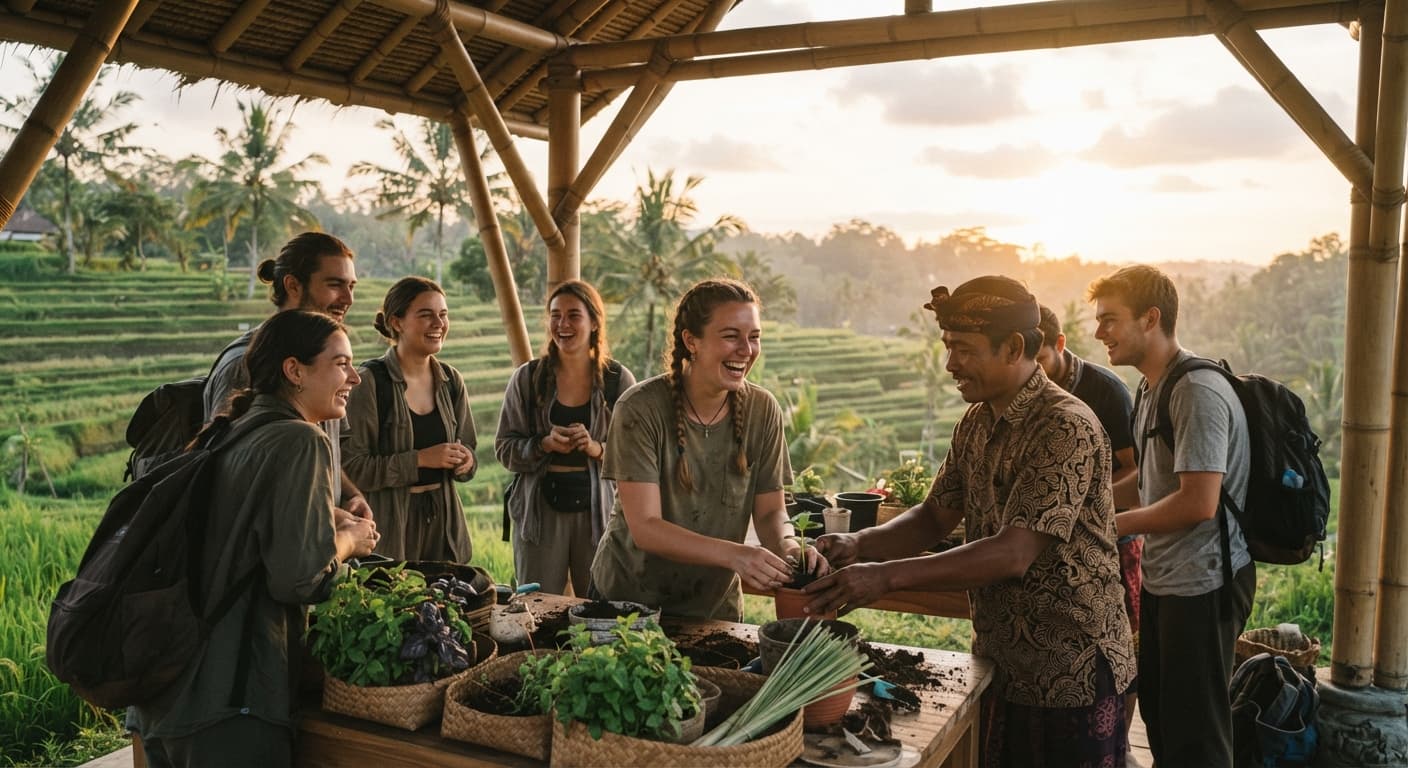
Uncovering Bali's Hidden Job Market: Opportunities in Eco-Tourism and Beyond
Bali's job landscape is evolving, with eco-tourism and sustainability initiatives creating new employment opportunities. As local businesses adapt to environmental challenges, training programs are emerging to equip workers with the necessary skills.
In Ubud, the Intersection of Art and Technology Sparks New Culture
As artists in Ubud embrace digital platforms, a cultural renaissance unfolds that blends traditional Balinese artistry with modern technology. This shift is redefining not only art consumption but also local community dynamics.
Comments (0)
No comments yet. Be the first!