Governor Koster's Push for Digital Transformation in Bali's Public Services
Bali's provincial government is undergoing a significant digital transformation aimed at improving public services and increasing transparency. Governor Wayan Koster emphasizes the importance of technology in governance as the island adapts to modern challenges.
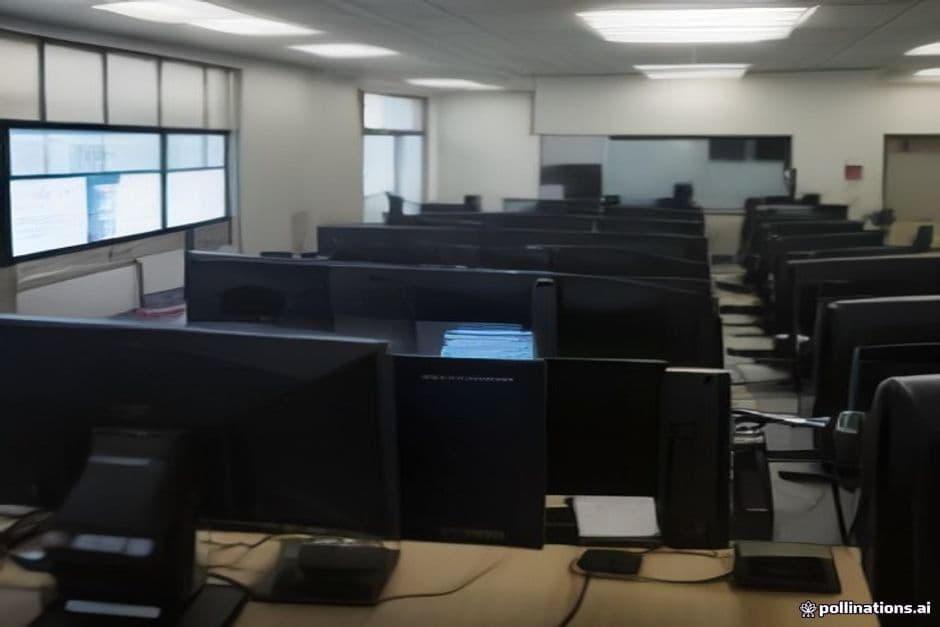
In the heart of Denpasar, the sound of clicking keyboards fills the air at the Bali Provincial Government office, where civil servants are embracing a new era of digital governance. Governor Wayan Koster stands at the helm of this transformation, advocating for a more efficient and transparent public service system that leverages technology to meet the needs of the island's residents and visitors alike.
This initiative comes amidst a backdrop of increasing demands for accountability and accessibility in government operations. The governor's office has recently rolled out a series of digital platforms aimed at streamlining services, from online permit applications to digital health records, making it easier for citizens to interact with their government without the cumbersome paperwork that has long plagued public services.
“We are committed to transforming Bali into a more connected and efficient province,” Koster stated during a recent press conference. “Digital governance is not just about technology; it’s about improving the lives of our people and ensuring that they have access to services at their fingertips.”
The drive for digitalization is part of a larger strategy aligned with Indonesia's national goals to enhance public sector efficiency. As the country aims to become a digital economy powerhouse, Bali is taking proactive steps to not only keep pace but to lead in the region. The provincial government has allocated a significant portion of its budget towards upgrading IT infrastructure and training civil servants in digital literacy.

Among the key projects is the Bali Smart City initiative, which focuses on integrating information technology into urban planning and services. This includes the development of a centralized data management system that will enable various government departments to share information seamlessly, improving response times and service delivery across the board.
Residents of Bali have begun to experience the benefits of these changes firsthand. In Canggu, the local community has reported improved efficiency in obtaining business licenses through the newly launched online portal. “I applied for my business permit online, and it took only a few days to be approved,” said Nyoman, a local entrepreneur. “This is a huge improvement compared to the weeks it used to take.”
However, the transition has not been without its challenges. Some citizens, particularly the elderly and those in rural areas, face difficulties adapting to the new digital platforms. To address this, the government is implementing training programs and workshops aimed at enhancing digital literacy among these groups. “We want to ensure that no one is left behind in this digital age,” Koster added.
Moreover, the provincial government is collaborating with technology firms to develop user-friendly applications tailored to the specific needs of Balinese citizens. The goal is to create a seamless experience that integrates various public services into a single platform, making it easier for residents to access healthcare, education, and administrative services.

As part of this initiative, Bali is also focusing on cybersecurity measures to protect sensitive data and maintain the trust of its citizens. The governor emphasized the importance of safeguarding personal information amidst growing concerns about data breaches and online security. “We are taking these issues seriously and are committed to building a secure digital environment for our people,” Koster stated.
Looking ahead, Bali's digital transformation is expected to attract more investment and tourism, positioning the island as a leading example of smart governance in Indonesia. As the initiative progresses, the government plans to gather feedback from the public to continuously improve and adapt its digital offerings.
In this evolving landscape, the future of public services in Bali looks promising. With Governor Koster's vision and commitment to harnessing technology, the island is poised to become a model for other regions in Indonesia. As digital platforms become the norm, residents can anticipate a more responsive and accountable government, ultimately enhancing the quality of life for all Balinese.



Read Also from Other Categories

Shifting Sands: How Bali's Beachfront Hotels Are Adapting to Climate Change
Bali's beachfront hotels face increasing threats from climate change, prompting a significant shift in operational strategies. As rising sea levels and extreme weather become more prevalent, the hospitality sector is innovating to ensure sustainability and guest satisfaction.

Investors Eye Bali's Eco-Tourism Ventures Amid Rising Global Consciousness
As eco-tourism gains traction worldwide, Bali emerges as a hotspot for investments in sustainable travel ventures. Local entrepreneurs and international investors alike are capitalizing on the island's natural beauty and cultural richness to promote environmental responsibility.

Emergency Preparedness in Bali: A Community Focus Amid Natural Threats
As climate change intensifies weather patterns, Bali's communities are stepping up emergency preparedness measures. Local authorities emphasize the importance of readiness as the island faces increased risks from natural disasters.

Innovative Water Management Strategies Address Bali's Scarcity Crisis
Bali's growing water scarcity has prompted local governments and communities to implement innovative water management strategies. These initiatives aim to balance the needs of agriculture, tourism, and the local population while preserving the island's natural resources.

Uncovering Bali's Hidden Job Market: Opportunities in Eco-Tourism and Beyond
Bali's job landscape is evolving, with eco-tourism and sustainability initiatives creating new employment opportunities. As local businesses adapt to environmental challenges, training programs are emerging to equip workers with the necessary skills.

In Ubud, the Intersection of Art and Technology Sparks New Culture
As artists in Ubud embrace digital platforms, a cultural renaissance unfolds that blends traditional Balinese artistry with modern technology. This shift is redefining not only art consumption but also local community dynamics.
Comments (0)
No comments yet. Be the first!