Festivals Reshape Bali’s Tourism Landscape with Local Empowerment
Bali is witnessing a transformative wave in its tourism sector driven by local festivals. These events not only celebrate cultural heritage but also support local economies, drawing both international and domestic visitors.
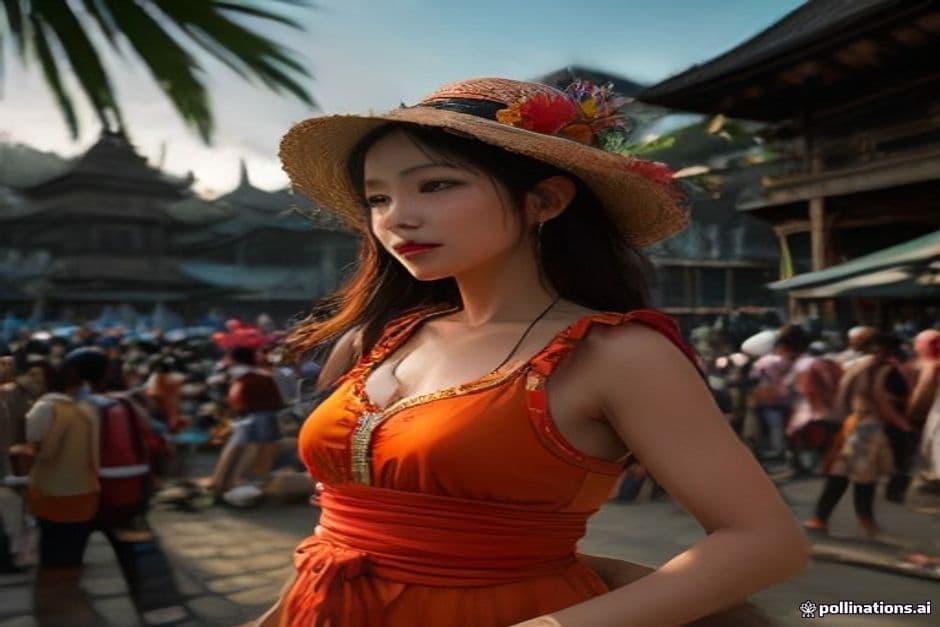
Bali's tourism landscape is rapidly evolving as local festivals emerge as key attractions that empower communities and boost the economy. This shift is not just about showcasing cultural heritage but also about creating sustainable opportunities for local artisans and businesses.
In 2026, the Bali Tourism Board reported a significant increase in festival-related tourist arrivals, with over 2 million visitors attending various cultural events across the island. Festivals such as the Bali Arts Festival and the Ubud Writers & Readers Festival have become central to the island's identity, drawing attention from around the globe.
One notable example is the Bali Arts Festival, which showcases the island's rich traditions through dance, music, and art. Held annually from June to July, the festival provides a platform for local artists to present their work, helping to preserve and promote Balinese culture. This year, the event attracted an estimated 500,000 visitors, a 15% increase compared to the previous year, creating a significant economic boost for local businesses.
Additionally, the Ubud Writers & Readers Festival has established itself as a premier literary event in Asia, bringing together authors, thinkers, and audiences from around the world. Scheduled for October, it offers more than just readings and discussions; it features workshops, performances, and cultural experiences that highlight local traditions. The festival has reported a 20% rise in international attendees, reflecting Bali's growing reputation as a cultural hub.

The impact of these festivals extends beyond tourism numbers. Local vendors and artisans benefit directly from increased foot traffic during events, allowing them to showcase their crafts and culinary offerings. For instance, traditional food stalls at these festivals have seen a marked increase in sales, with local farmers and producers getting opportunities to sell their goods directly to consumers.
Moreover, the Balinese government has recognized the importance of these events in sustaining the local economy. Initiatives have been launched to support festival organizers, providing grants and resources to ensure their success. This investment not only enhances the visitor experience but also strengthens community ties and promotes cultural pride.
As Bali continues to redefine its tourism strategy, the focus on festivals is seen as a model for sustainable tourism. By prioritizing local culture and community involvement, Bali aims to create a more balanced tourism ecosystem that benefits everyone. The success of these events illustrates how tourism can be harnessed not just as a means of generating revenue but as a vehicle for cultural preservation and community development.

Looking ahead, stakeholders are planning to expand the festival calendar, introducing new events that celebrate Bali's diverse heritage. From music and dance to food and art, these festivals are set to become instrumental in enriching the visitor experience while ensuring that local communities thrive.
Ultimately, as Bali embraces this festival-centric approach, it highlights a broader trend in tourism that values authenticity and local engagement. This could very well serve as a blueprint for other destinations around Indonesia and beyond, showcasing how cultural celebrations can play a pivotal role in shaping sustainable tourism futures.

Read Also from Other Categories

Jakarta's New Policies Spark Controversy Over Bali's Agricultural Future
Recent agricultural policies from Jakarta are causing a stir in Bali, raising concerns among local farmers about their livelihoods. The provincial government is pushing back against regulations perceived as detrimental to traditional practices and food security.
Investors Eye Bali's Eco-Tourism Ventures Amid Rising Global Consciousness
As eco-tourism gains traction worldwide, Bali emerges as a hotspot for investments in sustainable travel ventures. Local entrepreneurs and international investors alike are capitalizing on the island's natural beauty and cultural richness to promote environmental responsibility.

Emergency Preparedness in Bali: A Community Focus Amid Natural Threats
As climate change intensifies weather patterns, Bali's communities are stepping up emergency preparedness measures. Local authorities emphasize the importance of readiness as the island faces increased risks from natural disasters.

Innovative Water Management Strategies Address Bali's Scarcity Crisis
Bali's growing water scarcity has prompted local governments and communities to implement innovative water management strategies. These initiatives aim to balance the needs of agriculture, tourism, and the local population while preserving the island's natural resources.

Uncovering Bali's Hidden Job Market: Opportunities in Eco-Tourism and Beyond
Bali's job landscape is evolving, with eco-tourism and sustainability initiatives creating new employment opportunities. As local businesses adapt to environmental challenges, training programs are emerging to equip workers with the necessary skills.
In Ubud, the Intersection of Art and Technology Sparks New Culture
As artists in Ubud embrace digital platforms, a cultural renaissance unfolds that blends traditional Balinese artistry with modern technology. This shift is redefining not only art consumption but also local community dynamics.
Comments (0)
No comments yet. Be the first!