Exploring Bali's Night Market Revival: A Culinary and Cultural Hub Emerges
Bali's night markets are experiencing a renaissance, drawing locals and tourists alike. This revival not only showcases traditional Balinese cuisine but also fosters community engagement and cultural exchange.
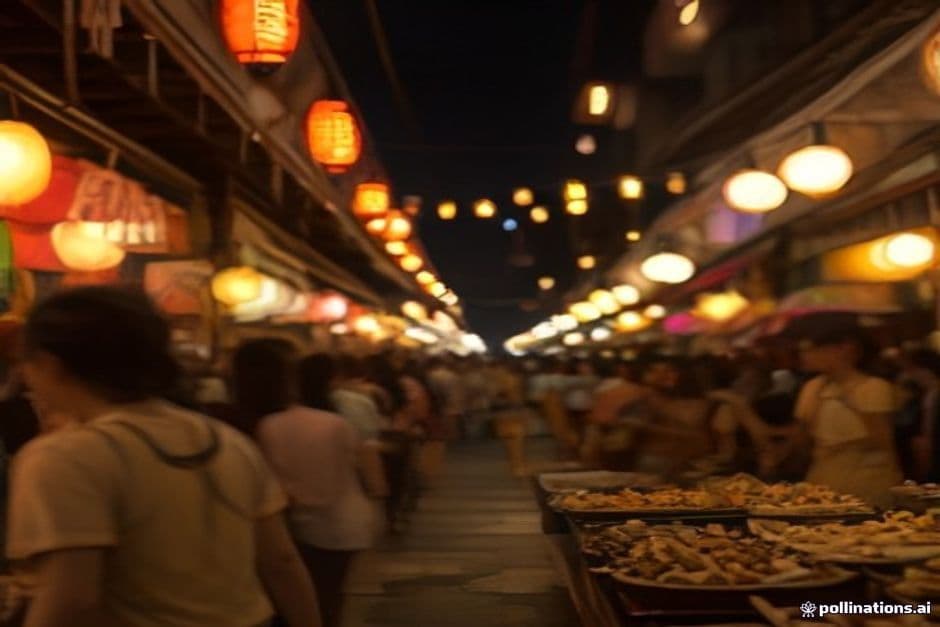
In recent years, Bali's night markets have become a significant focal point for both locals and tourists, showcasing the island's vibrant culinary landscape and rich cultural heritage. As of 2026, these markets are seeing a resurgence, with more visitors flocking to experience authentic Balinese food, crafts, and entertainment.
Located in various regions, including the bustling streets of Kuta, Seminyak, and Ubud, these night markets offer an array of street food, from satay skewers to sweet desserts like pisang goreng (fried bananas). According to the Bali Tourism Board, night market attendance has increased by 30% over the past year, highlighting their importance in the tourism industry.
One of the most popular night markets is the Kuta Night Market, which operates every Saturday evening. Here, vendors set up stalls brimming with local delicacies, providing an opportunity for visitors to indulge in traditional dishes while immersing themselves in the local culture. "The night market is not just about food; it’s a celebration of Balinese culture and community spirit," said Adi Putra, a vendor at the Kuta Night Market.
In addition to culinary offerings, these markets often feature live performances, including traditional Balinese dance and music, creating an engaging atmosphere for visitors. The Ubud Night Market, for instance, showcases local artists and musicians, allowing them to share their talents with a broader audience.

The revival of night markets has also had a positive impact on local economies. Small business owners, many of whom are families, benefit from the increased foot traffic. The Bali Provincial Government has supported these markets through initiatives that promote local entrepreneurship and cultural preservation.
Furthermore, the night markets serve as a platform for cultural exchange, where tourists can learn about Balinese traditions and customs. Workshops on traditional crafts and cooking classes are often available, allowing visitors to engage actively rather than simply observing.
As Bali continues to adapt to changing tourism trends, the night market phenomenon represents a shift towards more immersive experiences. Tourists are increasingly seeking authentic interactions that connect them to the local culture, and night markets fulfill this desire by providing a blend of food, entertainment, and community.

However, the success of these markets also brings challenges. Local authorities are working to ensure that the markets maintain their charm and authenticity while managing increased visitor numbers. Issues such as waste management and crowd control are at the forefront of discussions among officials and market organizers.
Looking ahead, the future of Bali's night markets appears promising. With continued support from the government and local communities, these markets are expected to thrive, further enriching the island's tourism landscape. As visitors seek deeper connections to the culture, the night markets will undoubtedly play a crucial role in showcasing the heart of Bali.

Read Also from Other Categories

Jakarta's New Policies Spark Controversy Over Bali's Agricultural Future
Recent agricultural policies from Jakarta are causing a stir in Bali, raising concerns among local farmers about their livelihoods. The provincial government is pushing back against regulations perceived as detrimental to traditional practices and food security.
Investors Eye Bali's Eco-Tourism Ventures Amid Rising Global Consciousness
As eco-tourism gains traction worldwide, Bali emerges as a hotspot for investments in sustainable travel ventures. Local entrepreneurs and international investors alike are capitalizing on the island's natural beauty and cultural richness to promote environmental responsibility.

Emergency Preparedness in Bali: A Community Focus Amid Natural Threats
As climate change intensifies weather patterns, Bali's communities are stepping up emergency preparedness measures. Local authorities emphasize the importance of readiness as the island faces increased risks from natural disasters.

Innovative Water Management Strategies Address Bali's Scarcity Crisis
Bali's growing water scarcity has prompted local governments and communities to implement innovative water management strategies. These initiatives aim to balance the needs of agriculture, tourism, and the local population while preserving the island's natural resources.

Uncovering Bali's Hidden Job Market: Opportunities in Eco-Tourism and Beyond
Bali's job landscape is evolving, with eco-tourism and sustainability initiatives creating new employment opportunities. As local businesses adapt to environmental challenges, training programs are emerging to equip workers with the necessary skills.
In Ubud, the Intersection of Art and Technology Sparks New Culture
As artists in Ubud embrace digital platforms, a cultural renaissance unfolds that blends traditional Balinese artistry with modern technology. This shift is redefining not only art consumption but also local community dynamics.
Comments (0)
No comments yet. Be the first!