Emerging Venture Capital Focus on Bali's Innovative Manufacturing Sector
Bali's manufacturing sector is witnessing a notable shift as venture capital investments surged by 35% in 2023. This trend is reshaping the region's economic landscape, attracting entrepreneurs and investors alike.

In 2023, Bali's manufacturing sector experienced a remarkable 35% increase in venture capital investments, reflecting a growing interest from investors looking to capitalize on the island's unique blend of traditional craftsmanship and modern technology. This surge is particularly significant given that it contrasts with the overall stagnation in investment across other sectors, highlighting a decisive pivot towards manufacturing as a key economic driver in the region.
The total amount of venture capital flowing into Bali's manufacturing startups reached IDR 1.2 trillion ($80 million), up from IDR 888 billion ($60 million) in 2022. This increase not only underscores the potential of this sector but also indicates a shift in investor sentiment as they seek opportunities beyond the saturated tech startup landscape that has dominated Bali's recent investment narrative.
Key players in this dynamic shift include companies like Bali Craft Innovations and EcoManufacture, which are merging traditional Balinese artistry with modern production techniques. Bali Craft Innovations, for instance, reported a 50% increase in production capacity after securing a series A funding round of IDR 200 billion ($13 million) in April 2023, enabling them to expand their operations and reach international markets.
Furthermore, the trend is being supported by local government initiatives aimed at fostering sustainable manufacturing practices. The Bali Provincial Government has introduced new policies to streamline business operations for manufacturers, including tax incentives for eco-friendly production methods. This strategic support is expected to enhance Bali's competitive edge in the regional manufacturing arena.

Comparatively, the manufacturing sector in nearby regions such as East Java has seen only a 10% increase in venture capital investments over the same period. This stark difference showcases Bali's rising prominence as an attractive hub for innovative manufacturing ventures. Investors are increasingly recognizing the island's potential to serve as a bridge between traditional Indonesian craftsmanship and the global market.
Moreover, the influx of investments into Bali's manufacturing sector is expected to create approximately 4,000 new jobs by the end of 2024, significantly bolstering local employment rates. The Bali Investment Agency estimates that for every IDR 1 trillion invested, up to 3,300 jobs can be created, indicating a robust multiplier effect that could reshape the island's economic landscape.
As the demand for sustainable and ethically produced goods rises globally, Bali is well-positioned to leverage its cultural heritage and natural resources. Local manufacturers are increasingly adopting sustainable practices, such as using biodegradable materials and renewable energy sources, to meet the growing consumer demand for eco-friendly products.

However, challenges remain, particularly in terms of supply chain logistics and access to skilled labor. While the investment landscape appears promising, ensuring a reliable workforce and infrastructure to support manufacturing growth will be crucial. The Bali government is working closely with educational institutions to develop training programs aimed at equipping the local workforce with the necessary skills for this evolving sector.
Looking ahead, the outlook for Bali's manufacturing sector remains optimistic. Analysts predict that venture capital investments could double over the next three years, potentially reaching IDR 2.4 trillion ($160 million) by 2026. This anticipated growth will not only transform the local economy but could establish Bali as a key player in Indonesia's broader manufacturing landscape.
In conclusion, the surge in venture capital investments in Bali's manufacturing sector is indicative of a broader trend towards innovation and sustainability. As investors increasingly seek opportunities in this space, the potential for economic development and job creation in Bali looks brighter than ever.



Read Also from Other Categories

Exploring Bali's Culinary Festivals: A Feast for Tourists and Locals Alike
Bali's culinary festivals are transforming the island into a gastronomic paradise, drawing food lovers from around the globe. These vibrant events not only celebrate local cuisine but also boost tourism and engage the community.

Public Health Policy Overhaul: Bali's Bold Steps Toward Enhanced Services
Bali's provincial government is set to revamp its public health policies, aiming for a 30% increase in healthcare accessibility by 2025. This initiative, announced by Governor Wayan Koster, focuses on improving infrastructure and community health programs across the island.

Bali Grapples with Increasing Risks of Infrastructure Failures Amid Heavy Rains
As Bali experiences a surge in heavy rainfall, infrastructure failures are becoming a pressing concern for both residents and authorities. Emergency services are mobilizing resources to address the challenges posed by deteriorating roads and flooding in key areas.
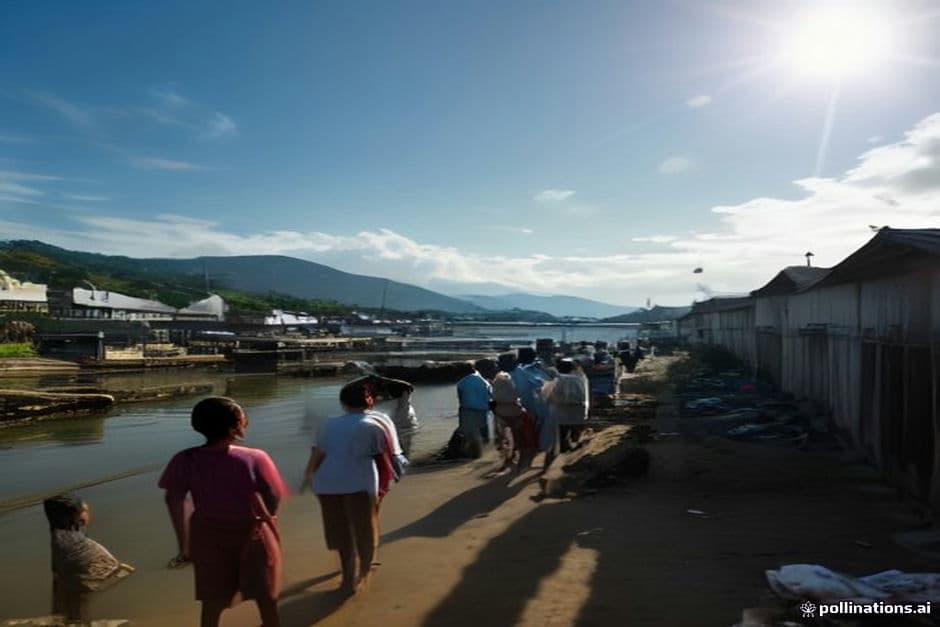
Residents Rally for Improved Sanitation in North Bali's Singaraja
In Singaraja, local residents are banding together to address long-standing sanitation issues in their neighborhoods. This community-driven initiative aims to enhance public health and environmental conditions through collaborative efforts with local government agencies.

Emerging Career Paths: Bali's Focus on Digital Skills and Local Talent
Bali is witnessing a significant shift towards digital skills training to meet the demands of its evolving job market. Local initiatives are empowering residents, particularly youth, with the necessary tools to thrive in an increasingly competitive economy.
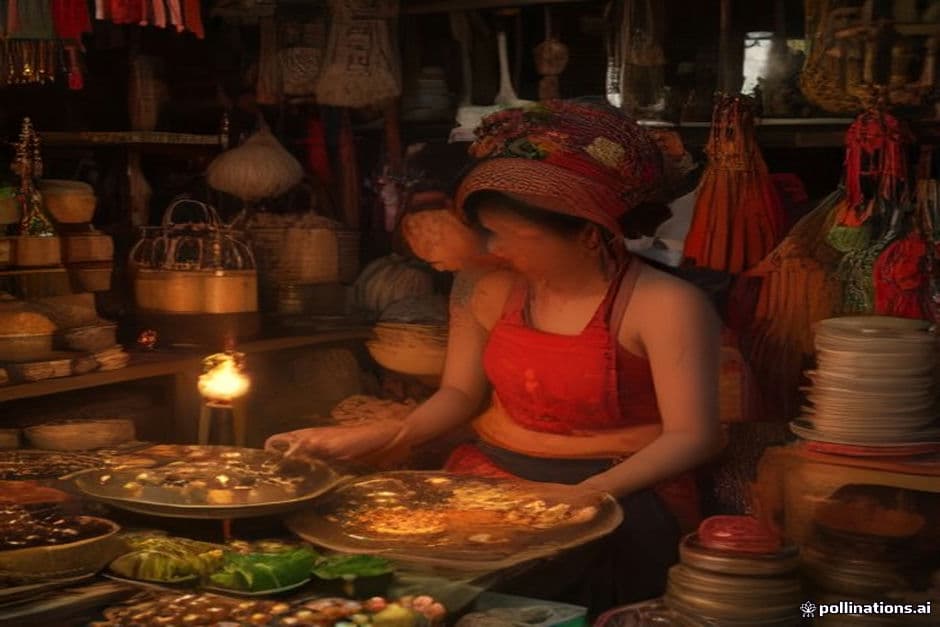
Cultural Clash: The Impact of Bali's Tourism Boom on Local Livelihoods
As Bali's tourism industry rebounds post-pandemic, local communities face challenges in preserving their cultural identity. This article explores the growing tension between cultural preservation and the rising demand for authentic experiences from visitors.
Comments (0)
No comments yet. Be the first!