Emerging Risks: Bali's Coastal Erosion Threatens Homes and Tourism
Coastal erosion in Bali is increasingly jeopardizing both local livelihoods and tourism. With rising sea levels and extreme weather patterns, communities are grappling with the devastating impact of disappearing shorelines.

As the sun dipped below the horizon along the shores of Canggu, the rhythmic crash of waves against the sand painted a serene picture, masking the urgent crisis lurking beneath the surface. Just a few meters from the beach, a group of local fishermen gathered, discussing their dwindling catches and the increasing encroachment of the ocean on their homes. For them, these discussions are not merely about fishing; they are about survival as the coastal erosion threatens to swallow their livelihoods.
Bali’s stunning coastlines, once a paradise for tourists and locals alike, are facing unprecedented challenges due to a combination of climate change and human activity. A recent report from the Indonesian Meteorological Agency highlights that coastal areas in Bali are eroding at an alarming rate of up to 1.5 meters per year in some regions. The phenomenon, exacerbated by rising sea levels and more frequent extreme weather events, has prompted local authorities to reassess their strategies for coastal management.
“The beaches where we used to fish are disappearing,” lamented Made, a fisherman in his late forties. “We can no longer anchor our boats where we used to, and even our homes are at risk. We need help.” His words resonate with many in Bali, where the economy heavily relies on tourism and fishing, both of which are threatened by the rapid loss of land.
Government officials have begun to take note of these concerns. The Bali Provincial Government has announced plans to invest in coastal defenses, including sea walls and dune restoration efforts. However, these measures are often met with skepticism from local communities who feel that their voices are not being heard in planning processes. “We need solutions that consider our needs, not just what looks good on paper,” said Ayu, a community leader from Tabanan.

In recent months, several locations have seen emergency measures implemented to address the immediate threat of erosion. For instance, in Sanur, the local government has begun placing large boulders along the shoreline to combat the relentless waves. While these efforts offer temporary relief, experts warn that they are not a long-term solution. “What we really need is a comprehensive plan that addresses both immediate and long-term impacts,” stated Dr. Sri, a coastal management expert at Udayana University.
Tourism, which constitutes a significant portion of Bali's economy, is also feeling the repercussions. Beachfront resorts that once thrived on the pristine shores are now facing cancellations and declining bookings due to concerns over safety and accessibility. Many tourists are opting for destinations with more stable coastlines, leaving local businesses scrambling to adapt.
The impact on tourism is evident in popular areas like Kuta and Nusa Dua, where some resorts have reported a drop in occupancy rates by as much as 30% in the last year. “People are worried about the climate, and they’re choosing to travel elsewhere,” said Nyoman, a hotel manager in Nusa Dua. “We’re trying our best to mitigate the damage, but it’s hard.”
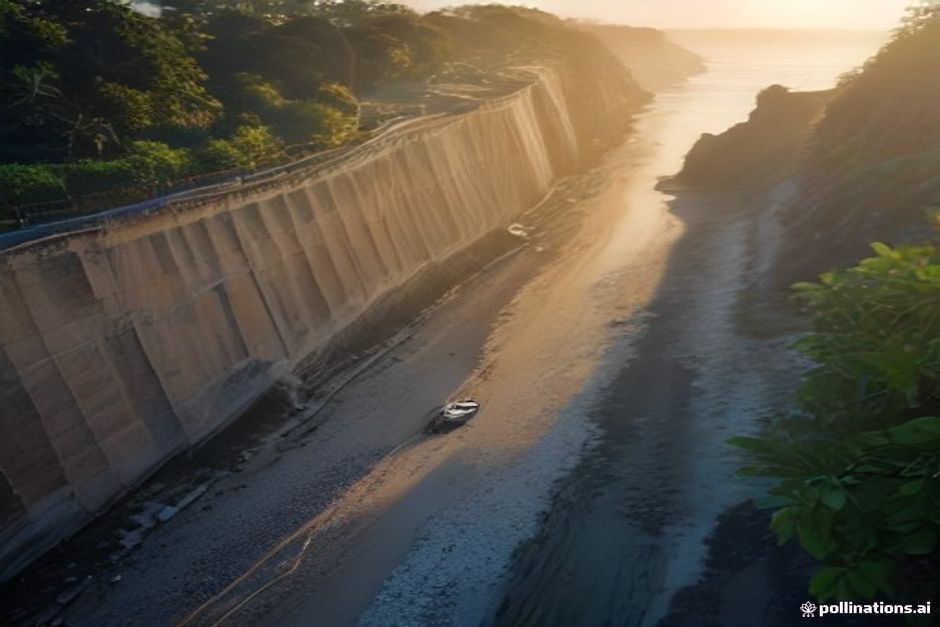
As the situation continues to unfold, the question of sustainability looms large. Bali, known for its natural beauty, faces a battle against the forces of nature and human intervention. Environmental advocates are calling for a shift in tourism practices, urging visitors to engage in eco-friendly activities that contribute to conservation efforts rather than exploiting the island’s resources.
While the provincial government is beginning to take steps toward addressing the crisis, residents remain cautious. “We need to ensure that any solutions prioritize the community,” said Ayu. “We are the ones who live here, and we are the ones who will suffer the most if nothing is done.”
The road ahead is fraught with challenges, but it also presents an opportunity for Bali to redefine its relationship with the environment. By prioritizing sustainable practices and community involvement, there is hope that the island can protect its shores while continuing to thrive as a premier tourist destination.

Read Also from Other Categories

Shifting Sands: How Bali's Beachfront Hotels Are Adapting to Climate Change
Bali's beachfront hotels face increasing threats from climate change, prompting a significant shift in operational strategies. As rising sea levels and extreme weather become more prevalent, the hospitality sector is innovating to ensure sustainability and guest satisfaction.

Jakarta's New Policies Spark Controversy Over Bali's Agricultural Future
Recent agricultural policies from Jakarta are causing a stir in Bali, raising concerns among local farmers about their livelihoods. The provincial government is pushing back against regulations perceived as detrimental to traditional practices and food security.
Investors Eye Bali's Eco-Tourism Ventures Amid Rising Global Consciousness
As eco-tourism gains traction worldwide, Bali emerges as a hotspot for investments in sustainable travel ventures. Local entrepreneurs and international investors alike are capitalizing on the island's natural beauty and cultural richness to promote environmental responsibility.

Innovative Water Management Strategies Address Bali's Scarcity Crisis
Bali's growing water scarcity has prompted local governments and communities to implement innovative water management strategies. These initiatives aim to balance the needs of agriculture, tourism, and the local population while preserving the island's natural resources.

Uncovering Bali's Hidden Job Market: Opportunities in Eco-Tourism and Beyond
Bali's job landscape is evolving, with eco-tourism and sustainability initiatives creating new employment opportunities. As local businesses adapt to environmental challenges, training programs are emerging to equip workers with the necessary skills.
In Ubud, the Intersection of Art and Technology Sparks New Culture
As artists in Ubud embrace digital platforms, a cultural renaissance unfolds that blends traditional Balinese artistry with modern technology. This shift is redefining not only art consumption but also local community dynamics.
Comments (0)
No comments yet. Be the first!