Cultural Roots and Culinary Journeys: Bali's New Tourism Trend
As Bali's tourism landscape evolves, a new trend emerges focusing on cultural roots and culinary experiences. Visitors seek authentic interactions with local traditions, shaping a vibrant and immersive travel narrative.
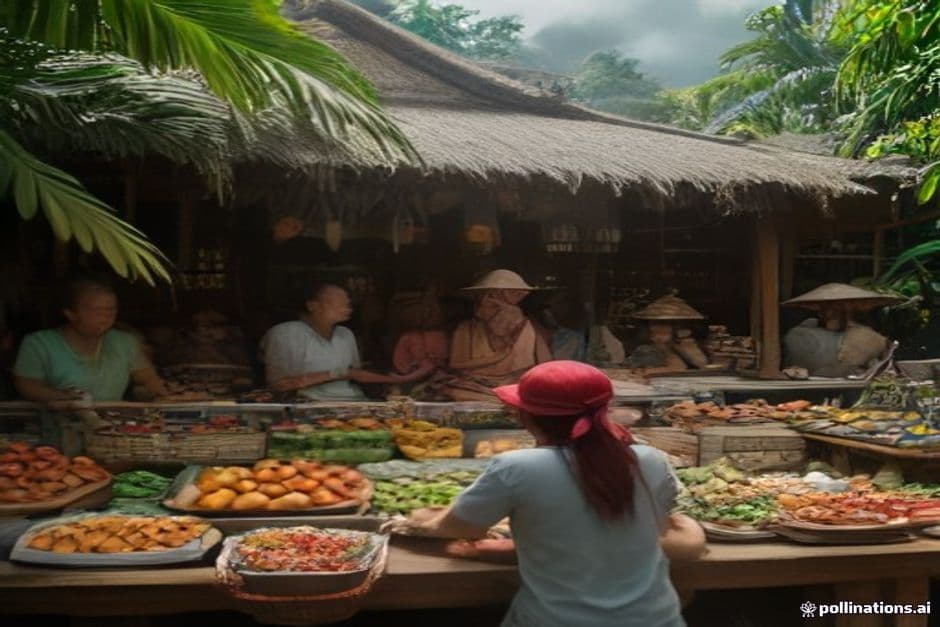
Bali's tourism industry is witnessing a significant shift as travelers increasingly seek authentic experiences that connect them to the island's rich cultural heritage. This trend is not only reshaping visitor expectations but also prompting local businesses to adapt their offerings to meet the desires of a more culturally-aware clientele.
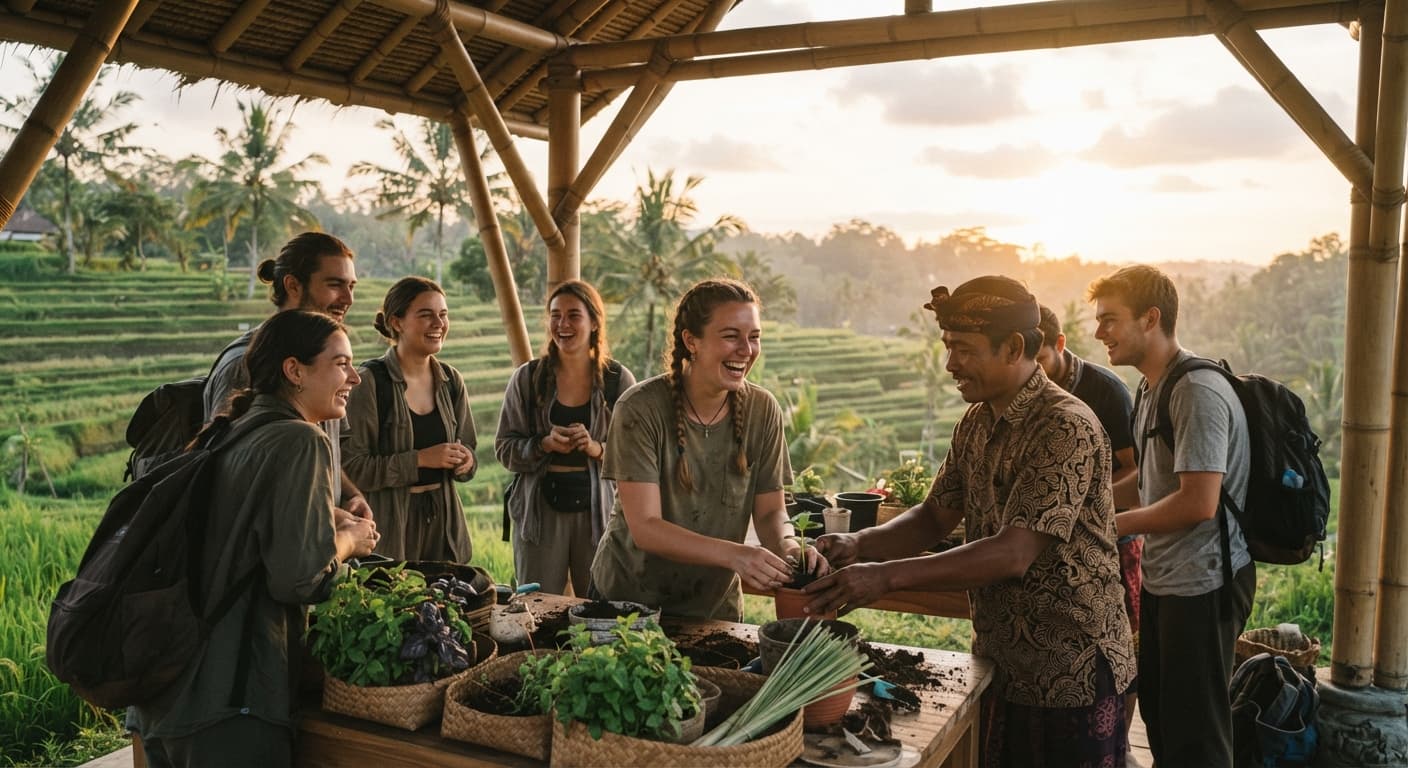
In recent months, the concept of cultural tourism has gained traction, moving beyond traditional sightseeing. Tourists are now looking for deeper engagement with local customs, arts, and cuisine. This trend is evident in areas like Ubud, known for its artistic communities and wellness retreats, where visitors are eager to participate in workshops, cooking classes, and traditional ceremonies.
A notable example is the rise of culinary tourism, which has seen a surge in popularity as travelers explore Balinese cuisine through immersive cooking classes. Local chefs, such as Made Putra from Ubud, emphasize the importance of farm-to-table practices, sharing their knowledge of local ingredients and traditional cooking techniques. "People are not just eating; they want to learn about the food, the culture, and the stories behind the dishes," said Putra.
Additionally, community-led initiatives are playing a crucial role in shaping this trend. Various neighborhoods are organizing events that allow tourists to engage with local artisans and cultural custodians. For instance, the village of Penglipuran has introduced guided tours that showcase traditional Balinese architecture and local crafts, providing visitors with insights into the community's values and lifestyle.

The cultural shift is also supported by the Bali Tourism Board, which is actively promoting initiatives that highlight local traditions. The board's focus on sustainable and responsible tourism aligns with the desires of modern travelers who are increasingly conscious of their impact on destinations. "Our goal is to create a tourism model that benefits both visitors and the local community, ensuring that cultural heritage is preserved and celebrated," stated the Head of Tourism Board, I Gede Putu Sudiartana.
Moreover, this trend has led to the development of new tourism products, such as guided tours that include visits to local markets, participation in traditional ceremonies, and hands-on experiences with local craftspeople. These offerings not only enhance the visitor experience but also provide economic support to local artisans and farmers, creating a more sustainable tourism ecosystem.
In response to this growing interest, hotels and resorts are adapting their services. Many establishments are incorporating cultural experiences into their guest offerings, such as Balinese dance performances, cooking demonstrations, and workshops on traditional crafts. This approach not only enriches the stay for visitors but also fosters a greater appreciation for Balinese culture.

As the trend of cultural and culinary tourism continues to grow, it is clear that Bali's appeal lies not just in its stunning landscapes but in its ability to provide meaningful experiences. Tourists are increasingly drawn to the island for its rich traditions and the opportunity to connect with the local community on a deeper level.
Looking ahead, Bali's tourism industry is poised to further embrace this cultural renaissance. With the support of local authorities and community initiatives, it is likely that the island will continue to attract visitors eager to explore its cultural roots and culinary delights. This evolution not only enhances the visitor experience but also strengthens the cultural fabric of Bali, ensuring that it remains a vibrant destination for years to come.

Read Also from Other Categories

Jakarta's New Policies Spark Controversy Over Bali's Agricultural Future
Recent agricultural policies from Jakarta are causing a stir in Bali, raising concerns among local farmers about their livelihoods. The provincial government is pushing back against regulations perceived as detrimental to traditional practices and food security.
Investors Eye Bali's Eco-Tourism Ventures Amid Rising Global Consciousness
As eco-tourism gains traction worldwide, Bali emerges as a hotspot for investments in sustainable travel ventures. Local entrepreneurs and international investors alike are capitalizing on the island's natural beauty and cultural richness to promote environmental responsibility.

Emergency Preparedness in Bali: A Community Focus Amid Natural Threats
As climate change intensifies weather patterns, Bali's communities are stepping up emergency preparedness measures. Local authorities emphasize the importance of readiness as the island faces increased risks from natural disasters.

Innovative Water Management Strategies Address Bali's Scarcity Crisis
Bali's growing water scarcity has prompted local governments and communities to implement innovative water management strategies. These initiatives aim to balance the needs of agriculture, tourism, and the local population while preserving the island's natural resources.
Uncovering Bali's Hidden Job Market: Opportunities in Eco-Tourism and Beyond
Bali's job landscape is evolving, with eco-tourism and sustainability initiatives creating new employment opportunities. As local businesses adapt to environmental challenges, training programs are emerging to equip workers with the necessary skills.

In Ubud, the Intersection of Art and Technology Sparks New Culture
As artists in Ubud embrace digital platforms, a cultural renaissance unfolds that blends traditional Balinese artistry with modern technology. This shift is redefining not only art consumption but also local community dynamics.
Comments (0)
No comments yet. Be the first!