Cultural Centers Transform Bali's Tourism Experience in 2026
Bali is witnessing a revitalization of its cultural centers, enhancing the tourist experience through immersive activities and local engagement. The shift is drawing visitors keen on authentic interactions and cultural appreciation.

Along the bustling streets of Seminyak, the vibrant colors of traditional Balinese art are not just displayed in galleries but are now thriving in cultural centers that offer visitors a taste of authentic local life. The rise of these centers is reshaping how tourists engage with Bali, moving beyond mere sightseeing to deeper interactions with the island's rich heritage.
One notable venue is the Nyoman Gunarsa Museum, located just off the main road. Here, tourists can participate in painting workshops and learn traditional Balinese painting techniques directly from master artists. "Visitors leave with a sense of accomplishment and a genuine connection to our culture," says Nyoman Gunarsa, the museum's founder. This hands-on approach is becoming increasingly popular among tourists eager to create personal memories rather than just collect photographs.
In the heart of Ubud, the Agung Rai Museum of Art has expanded its offerings to include cultural performances and cooking classes. The museum now hosts weekly events where visitors can watch traditional Balinese dances and even learn to cook local dishes like Nasi Goreng and Rendang. These experiences provide a platform for tourists to engage with Balinese traditions actively, fostering a deeper appreciation for the island's culture.
Moreover, the annual Ubud Writers & Readers Festival continues to draw global attention, showcasing not only literary talent but also cultural discussions that highlight Bali's diverse narratives. This year, the festival features local authors alongside international names, emphasizing the importance of indigenous voices in literature. "This festival is a celebration of our stories, and it invites everyone to share in our journey," expresses festival director John R. Briley.

As Bali's tourism landscape evolves, these cultural centers play a pivotal role in redefining visitor experiences. The shift has been driven by a growing demand for authentic interactions, particularly among younger travelers who seek meaningful engagement with the places they visit. This trend aligns with the increasing interest in sustainability, as tourists are more inclined to support local artisans and cultural custodians.
In addition to workshops and performances, several cultural centers have established partnerships with local schools and communities. For example, the Balinese Cultural Institute collaborates with local artisans to ensure that traditional crafts are preserved and taught to the next generation. This initiative not only benefits the local community but also enriches the tourist experience, as visitors can see the direct impact of their engagement.
However, the surge in cultural tourism is not without its challenges. Some locals express concerns about commercialization and the potential dilution of their traditions. "We want to share our culture, but it must be done with respect and authenticity," says Wayan Suta, a local artisan in Ubud. Balancing the influx of tourists with the preservation of genuine cultural practices remains a critical conversation among community leaders.
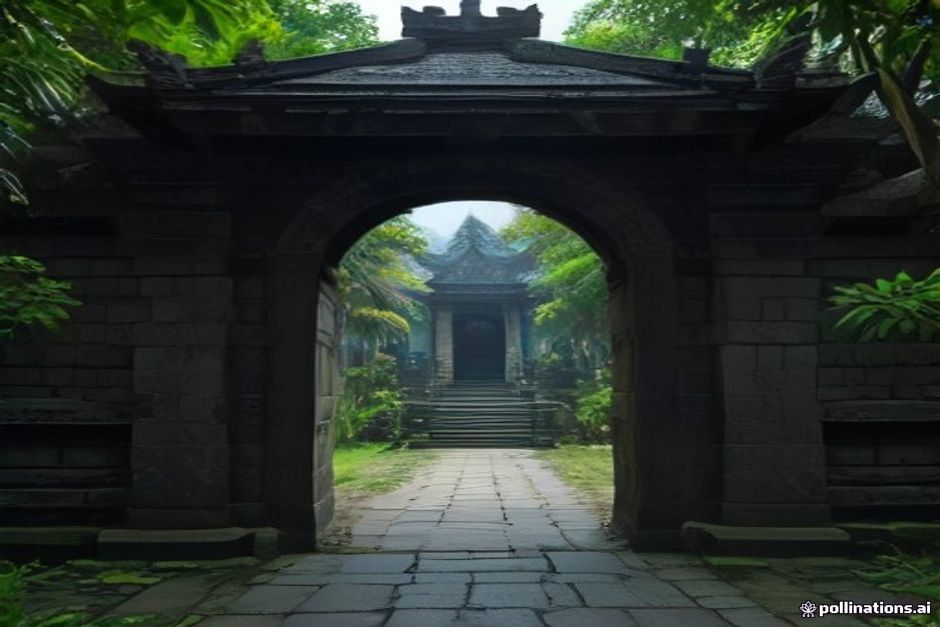
With the ongoing development of these cultural centers, Bali is poised to attract a new wave of visitors seeking more than just sun and sand. The island's rich tapestry of traditions, arts, and community-driven experiences offers a fresh perspective for travelers. As the tourism sector continues to adapt, these cultural hubs will likely become essential in shaping the future of Bali's tourism narrative.
Ultimately, the fusion of cultural engagement and tourism is setting a precedent for a more sustainable and respectful approach to travel in Bali. The focus on immersive experiences not only enhances visitor satisfaction but also empowers local communities, ensuring that the island's cherished traditions are sustained for generations to come.



Read Also from Other Categories
Public Health Policy Overhaul: Bali's Bold Steps Toward Enhanced Services
Bali's provincial government is set to revamp its public health policies, aiming for a 30% increase in healthcare accessibility by 2025. This initiative, announced by Governor Wayan Koster, focuses on improving infrastructure and community health programs across the island.

Investment Landscape Shifts as Bali Attracts Tech-Focused Funds
Bali is witnessing a significant influx of investment in tech startups, reshaping its economic landscape. This trend highlights the island's growing reputation as a hub for innovation and digital solutions.

Bali Grapples with Increasing Risks of Infrastructure Failures Amid Heavy Rains
As Bali experiences a surge in heavy rainfall, infrastructure failures are becoming a pressing concern for both residents and authorities. Emergency services are mobilizing resources to address the challenges posed by deteriorating roads and flooding in key areas.
Residents Rally for Improved Sanitation in North Bali's Singaraja
In Singaraja, local residents are banding together to address long-standing sanitation issues in their neighborhoods. This community-driven initiative aims to enhance public health and environmental conditions through collaborative efforts with local government agencies.

Emerging Career Paths: Bali's Focus on Digital Skills and Local Talent
Bali is witnessing a significant shift towards digital skills training to meet the demands of its evolving job market. Local initiatives are empowering residents, particularly youth, with the necessary tools to thrive in an increasingly competitive economy.
Cultural Clash: The Impact of Bali's Tourism Boom on Local Livelihoods
As Bali's tourism industry rebounds post-pandemic, local communities face challenges in preserving their cultural identity. This article explores the growing tension between cultural preservation and the rising demand for authentic experiences from visitors.
Comments (0)
No comments yet. Be the first!