Community Gardens Flourish as Balinese Families Embrace Urban Agriculture
In the heart of Denpasar, community gardens are transforming urban landscapes and fostering a sense of togetherness among families. This initiative not only promotes sustainable practices but also reconnects locals with their agricultural roots.
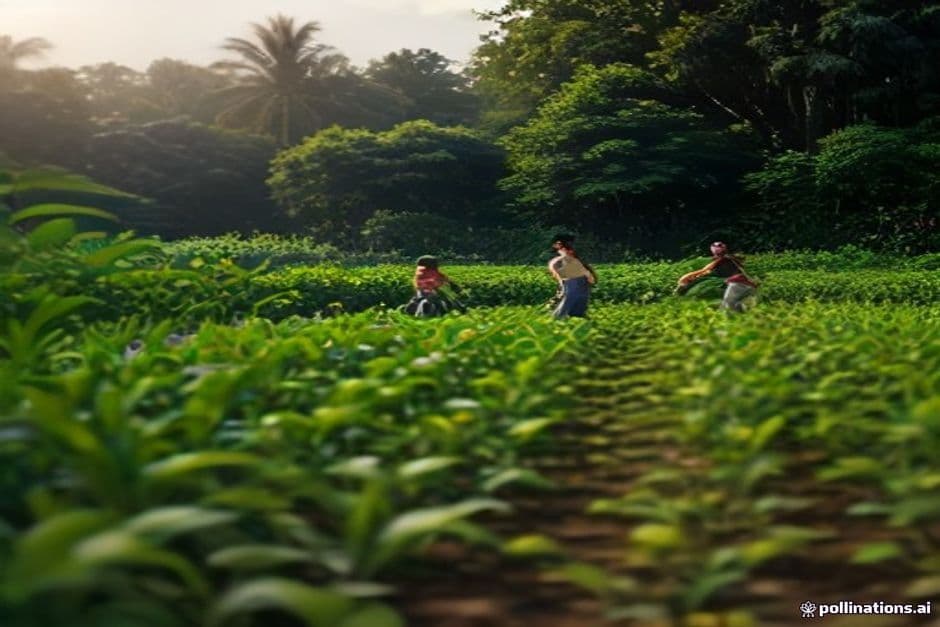
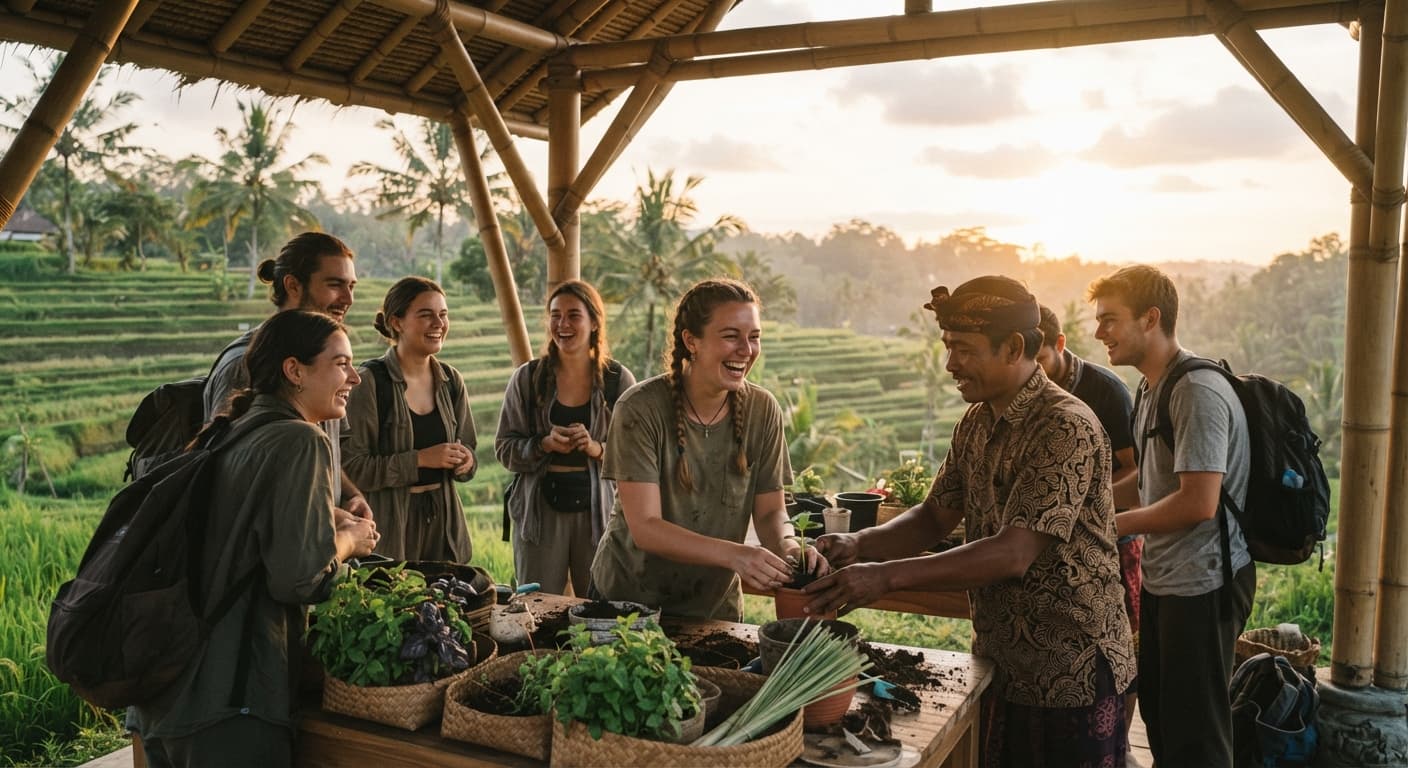
As the sun begins to rise over the bustling streets of Denpasar, the sound of laughter and chatter fills the air at a community garden tucked away in a quiet neighborhood. Children run between rows of vibrant vegetables while their parents kneel in the soil, hands buried deep as they plant seedlings. This scene, a snapshot of everyday life, symbolizes a growing movement that is weaving sustainability into the fabric of urban living in Bali.
In recent months, the rise of community gardens has become a significant trend across the island, reflecting a broader shift towards urban agriculture. These green spaces, often established by local families and supported by community organizations, are more than just patches of greenery; they represent a return to traditional agricultural practices amidst rapid urbanization. With the island's population steadily increasing, the demand for food and green spaces has never been more critical.
The initiative, spearheaded by local non-profit organizations and supported by the Denpasar city government, aims to promote sustainable agriculture and encourage community engagement. “We wanted to create spaces where people could not only grow their own food but also connect with their neighbors,” explains Wayan Utami, a coordinator for the initiative. “It’s about fostering a sense of community, teaching our children the importance of food sources, and preserving our agricultural heritage.”
Currently, there are over 30 community gardens scattered throughout Denpasar, with plans to expand into other urban areas of Bali. Each garden is unique, with families planting a variety of crops ranging from traditional Balinese vegetables to exotic herbs. The gardens serve not only as a food source but also as a platform for education, where workshops on organic farming and sustainable practices are frequently held.

One of the most notable gardens is located on Jalan Hayam Wuruk, where a group of families has transformed an abandoned lot into a flourishing green oasis. Here, local residents gather every weekend to tend to their plants and share gardening tips. The sound of clinking tools and the earthy smell of freshly turned soil create an inviting atmosphere that reflects the community’s commitment to sustainability.
As the gardens grow, so does the sense of community pride. Families come together not just for the joy of gardening, but also for potluck meals where they share dishes made from their homegrown produce. This exchange fosters relationships that extend beyond the garden, creating a network of support among neighbors. “We have become a family,” says Nyoman, a mother of three who has been actively involved in the garden since its inception. “It has brought us closer together, and our children are learning valuable lessons about nature and teamwork.”
The resurgence of interest in agrarian lifestyles is also reflected in the culinary scene. Many local restaurants are beginning to source ingredients directly from these community gardens, promoting farm-to-table dining experiences. This partnership not only supports local agriculture but also empowers the community by providing them with a market for their produce.
However, challenges remain. As urban areas continue to expand, securing land for community gardens can be difficult. Local governments are urged to prioritize green spaces in urban planning to ensure that these initiatives can thrive. “We need to advocate for policies that support urban agriculture,” says I Made Adnyana, a local environmental advocate. “It’s essential for our food security and well-being.”
Moreover, the initiative’s success has sparked discussions about food sovereignty and the importance of self-sufficiency in Bali. With increasing concerns about imported foods and their environmental impact, community gardens offer a viable solution to promote local food production. The initiative aims to educate families on sustainable agricultural practices, helping them to cultivate their gardens more effectively.
As the sun sets over Denpasar, casting golden hues over the thriving gardens, it is evident that this movement is more than just a trend; it is a testament to the resilience of the Balinese spirit. By nurturing the land and building strong community ties, families are not only preserving their cultural heritage but also paving the way for a sustainable future.
Looking ahead, the hope is to expand this model across Bali and inspire other regions in Indonesia to adopt similar initiatives. With continued support from local governments and community organizations, the vision of a greener, more connected island is becoming a reality. As more families embrace urban agriculture, the gardens are set to flourish, bringing with them a wealth of benefits for the community and the environment.


Read Also from Other Categories

Shifting Sands: How Bali's Beachfront Hotels Are Adapting to Climate Change
Bali's beachfront hotels face increasing threats from climate change, prompting a significant shift in operational strategies. As rising sea levels and extreme weather become more prevalent, the hospitality sector is innovating to ensure sustainability and guest satisfaction.

Jakarta's New Policies Spark Controversy Over Bali's Agricultural Future
Recent agricultural policies from Jakarta are causing a stir in Bali, raising concerns among local farmers about their livelihoods. The provincial government is pushing back against regulations perceived as detrimental to traditional practices and food security.
Investors Eye Bali's Eco-Tourism Ventures Amid Rising Global Consciousness
As eco-tourism gains traction worldwide, Bali emerges as a hotspot for investments in sustainable travel ventures. Local entrepreneurs and international investors alike are capitalizing on the island's natural beauty and cultural richness to promote environmental responsibility.

Emergency Preparedness in Bali: A Community Focus Amid Natural Threats
As climate change intensifies weather patterns, Bali's communities are stepping up emergency preparedness measures. Local authorities emphasize the importance of readiness as the island faces increased risks from natural disasters.
Uncovering Bali's Hidden Job Market: Opportunities in Eco-Tourism and Beyond
Bali's job landscape is evolving, with eco-tourism and sustainability initiatives creating new employment opportunities. As local businesses adapt to environmental challenges, training programs are emerging to equip workers with the necessary skills.

In Ubud, the Intersection of Art and Technology Sparks New Culture
As artists in Ubud embrace digital platforms, a cultural renaissance unfolds that blends traditional Balinese artistry with modern technology. This shift is redefining not only art consumption but also local community dynamics.
Comments (0)
No comments yet. Be the first!