Bali's Shift to Wellness Tourism: A Holistic Approach to Visitor Experience
Bali is experiencing a significant shift towards wellness tourism, attracting health-conscious travelers seeking holistic experiences. This trend is reshaping the island's tourism landscape and boosting local economies.

In 2026, Bali's wellness tourism sector has seen a remarkable surge, with a 25% increase in wellness-related travel compared to the previous year, according to the Bali Tourism Board. This growth is largely driven by the rising global demand for health and wellness experiences, positioning Bali as a leading destination for those looking to rejuvenate both body and mind.
Visitors are increasingly drawn to Bali's diverse offerings, including yoga retreats, spa treatments, and holistic healing practices. Notably, the number of wellness retreats in Ubud, a hub for holistic health, has doubled in the past three years. This has led to Ubud welcoming over 1 million wellness tourists in 2026 alone, a significant rise from 800,000 in 2025.
In addition to yoga and meditation, wellness tourism in Bali encompasses various activities such as traditional Balinese healing practices, detox programs, and organic culinary experiences. The integration of these elements into the tourism ecosystem has created a holistic experience that resonates with visitors seeking a deeper connection to both themselves and the local culture.
As the demand for wellness experiences grows, the local economy is benefiting significantly. A recent report from the Bali Institute of Economic Research indicates that wellness tourism now contributes approximately 15% to the island's overall tourism revenue, up from 10% just two years ago. This uptick has encouraged local businesses to adapt and innovate, with many hotels and resorts incorporating wellness programs into their offerings.

For instance, hotels such as the Fivelements Retreat in Mambal and Como Shambhala Estate in Ubud have expanded their wellness packages to include holistic therapies, fitness classes, and organic dining options. The influx of wellness-focused travelers has prompted these establishments to enhance their services, creating a competitive environment that prioritizes health and well-being.
Moreover, the Bali government is actively promoting wellness tourism as part of its broader strategy to diversify the island's tourism offerings. Recent initiatives include partnerships with international wellness brands and the hosting of global wellness conferences, aimed at attracting industry leaders and influencers to the island. These efforts not only enhance Bali's reputation as a wellness destination but also stimulate local economic growth.
However, the growing popularity of wellness tourism also presents challenges. The influx of visitors seeking wellness experiences can strain local resources and infrastructure. Concerns have been raised regarding the sustainability of this trend, particularly in areas like Ubud, where the rapid development of wellness facilities has led to increased traffic congestion and environmental degradation.
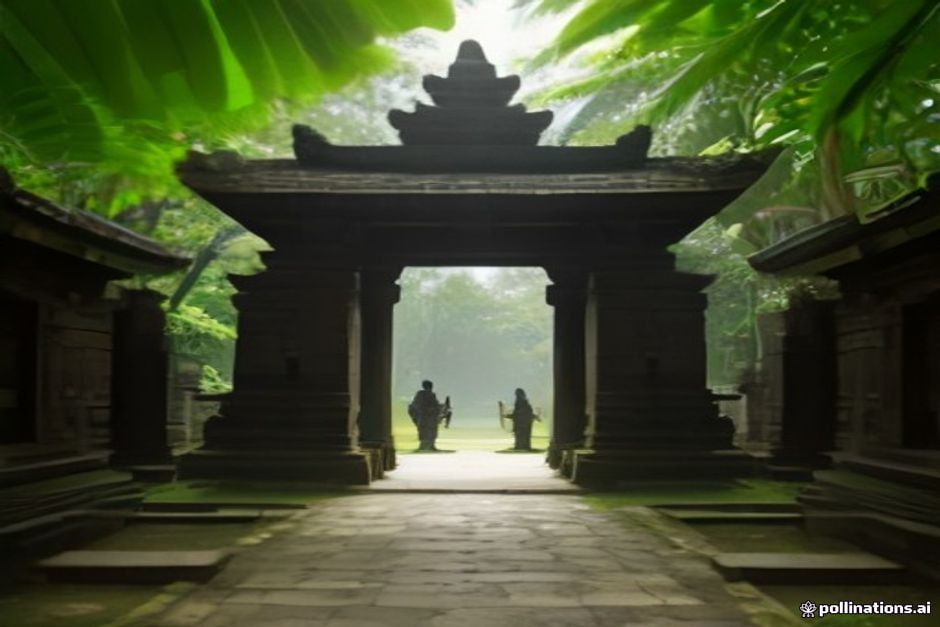
To address these challenges, the Bali government has begun implementing policies aimed at ensuring sustainable development within the wellness tourism sector. These include stricter regulations on construction and land use, as well as initiatives to promote eco-friendly practices among wellness facilities. The goal is to balance the economic benefits of wellness tourism with the preservation of Bali's natural beauty and cultural heritage.
In conclusion, Bali's shift towards wellness tourism represents a significant evolution in the island's tourism landscape. With a 25% increase in wellness-related travel and a growing number of retreats and programs, Bali is not only meeting the rising demand for holistic experiences but also fostering a sustainable approach to tourism that benefits both visitors and the local community. As the island continues to embrace this trend, it will be essential to navigate the challenges that accompany such growth, ensuring that Bali remains a haven for wellness seekers for years to come.


Read Also from Other Categories

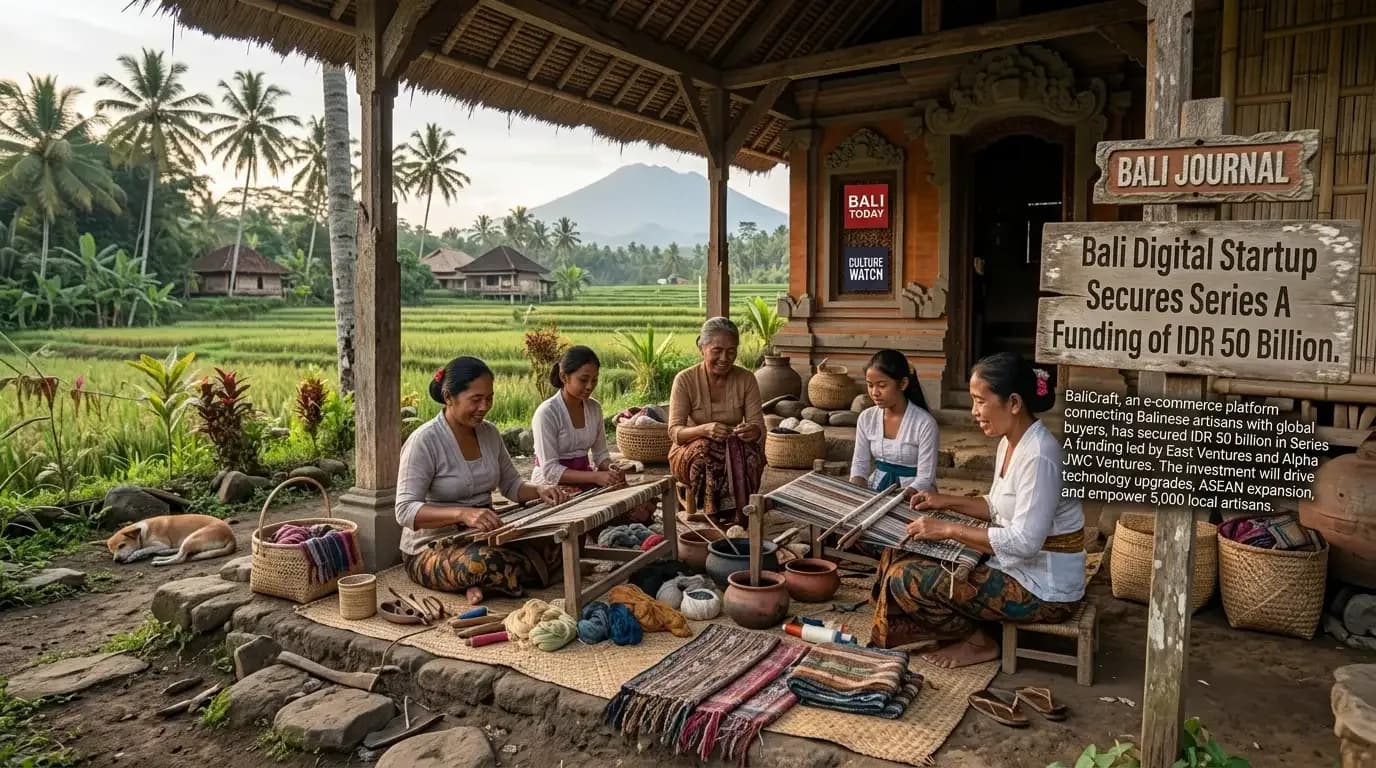
Jakarta's New Policies Spark Controversy Over Bali's Agricultural Future
Recent agricultural policies from Jakarta are causing a stir in Bali, raising concerns among local farmers about their livelihoods. The provincial government is pushing back against regulations perceived as detrimental to traditional practices and food security.
Investors Eye Bali's Eco-Tourism Ventures Amid Rising Global Consciousness
As eco-tourism gains traction worldwide, Bali emerges as a hotspot for investments in sustainable travel ventures. Local entrepreneurs and international investors alike are capitalizing on the island's natural beauty and cultural richness to promote environmental responsibility.

Emergency Preparedness in Bali: A Community Focus Amid Natural Threats
As climate change intensifies weather patterns, Bali's communities are stepping up emergency preparedness measures. Local authorities emphasize the importance of readiness as the island faces increased risks from natural disasters.

Innovative Water Management Strategies Address Bali's Scarcity Crisis
Bali's growing water scarcity has prompted local governments and communities to implement innovative water management strategies. These initiatives aim to balance the needs of agriculture, tourism, and the local population while preserving the island's natural resources.
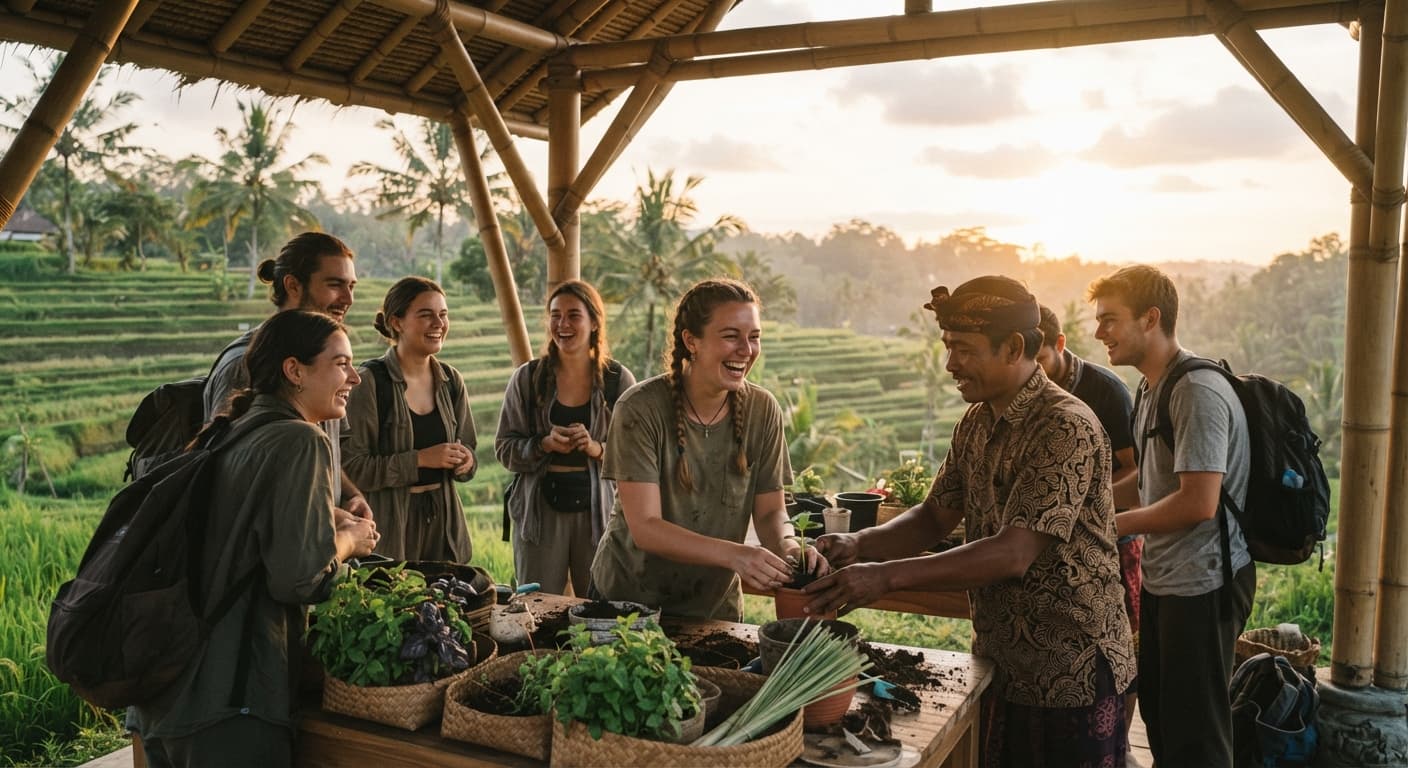
Uncovering Bali's Hidden Job Market: Opportunities in Eco-Tourism and Beyond
Bali's job landscape is evolving, with eco-tourism and sustainability initiatives creating new employment opportunities. As local businesses adapt to environmental challenges, training programs are emerging to equip workers with the necessary skills.

In Ubud, the Intersection of Art and Technology Sparks New Culture
As artists in Ubud embrace digital platforms, a cultural renaissance unfolds that blends traditional Balinese artistry with modern technology. This shift is redefining not only art consumption but also local community dynamics.
Comments (0)
No comments yet. Be the first!