Bali's Governor Koster Unveils New Policies to Combat Housing Crisis
Governor Wayan Koster has announced a series of new regulations aimed at addressing the housing shortage in Bali, focusing on affordable housing and local community needs. These measures come amid rising concerns about the impact of tourism on residential areas and the accessibility of housing for Balinese citizens.
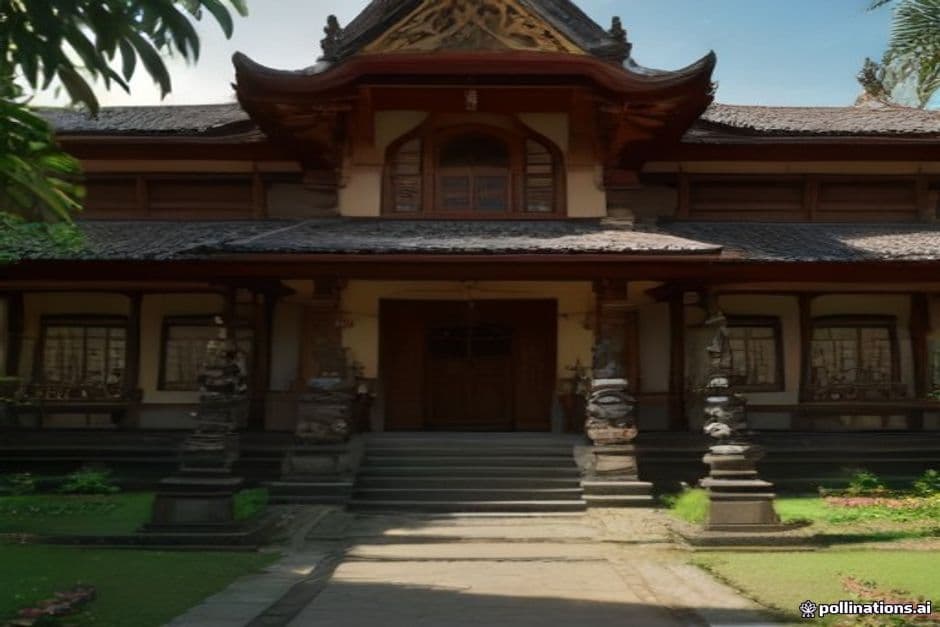
In a vibrant press conference held at the Bali Provincial Hall in Denpasar, Governor Wayan Koster addressed the pressing housing crisis that has gripped the island. "We are at a crossroads where the needs of our local community must be prioritized over unchecked tourism development," he stated, emphasizing that the new housing policies aim to ensure that Balinese residents have access to affordable housing amidst the surge in property prices driven by foreign investments.
The announcement comes in the wake of a recent study indicating that over 70% of Bali's residents feel the strain of rising housing costs, especially in popular areas like Seminyak and Canggu. As more foreign nationals flock to the island, local families are increasingly pushed out of the market, leading to a surge in informal housing arrangements, which often lack basic amenities.
To combat this issue, Koster's administration has proposed a multi-faceted approach that includes the construction of affordable housing units, stricter regulations on property developments, and incentives for developers to include affordable options in their projects. "Developers will now be required to allocate a portion of their projects for affordable housing," Koster explained, underscoring the government's commitment to protecting Balinese communities.
Specific measures include the establishment of a Housing Development Fund, which will be financed by a portion of the existing tourist tax revenue. This fund aims to provide low-interest loans to qualifying developers who commit to building affordable housing. The governor has set an ambitious target of constructing at least 5,000 affordable housing units within the next three years.

Local residents have welcomed this initiative, as many have long voiced concerns about the impact of tourism on their living conditions. I Ketut Sudiarta, a resident of Canggu, expressed hope: "We have been watching our homes get replaced by villas for tourists. It’s about time our government does something to protect us and our future here." This sentiment reflects a growing urgency among locals who feel overlooked as the island's economy continues to evolve.
Additionally, the provincial government plans to implement stricter zoning laws to prevent the overdevelopment of residential areas. Under the new regulations, areas designated as residential will have limits on the number of new commercial properties that can be built, thus maintaining the integrity of local neighborhoods. Koster emphasized, "We cannot allow our communities to be sacrificed at the altar of tourism. The charm of Bali lies in its culture and community, not just in its resorts and villas."
Jakarta has also shown support for Bali's new housing policies, with the Ministry of Public Works and Public Housing pledging to assist in the funding and implementation of these initiatives. Minister Basuki Hadimuljono remarked, "Bali's approach to maintaining its cultural heritage while addressing modern challenges is a model for other regions in Indonesia to follow."

As the governor's office works on finalizing the details of these new regulations, community workshops are being planned across Bali to gather input from residents on their housing needs and preferences. This participatory approach is seen as essential in ensuring that the solutions implemented genuinely reflect the desires of the local population.
However, some skeptics worry about the potential for bureaucratic delays in rolling out these policies. Local entrepreneur Made Wijaya, who has invested in sustainable tourism projects, stated, "While these policies sound promising, we must ensure that they are implemented effectively and not lost in red tape. The urgency of the housing crisis demands immediate action, not more studies or discussions."
In conclusion, Governor Koster's announcement marks a pivotal moment for Bali as it seeks to balance the demands of a booming tourism industry with the needs of its residents. The coming months will be crucial in determining if these policies can effectively alleviate the housing crisis and ensure that the island remains a home for both locals and visitors alike.



Read Also from Other Categories

Shifting Sands: How Bali's Beachfront Hotels Are Adapting to Climate Change
Bali's beachfront hotels face increasing threats from climate change, prompting a significant shift in operational strategies. As rising sea levels and extreme weather become more prevalent, the hospitality sector is innovating to ensure sustainability and guest satisfaction.

Investors Eye Bali's Eco-Tourism Ventures Amid Rising Global Consciousness
As eco-tourism gains traction worldwide, Bali emerges as a hotspot for investments in sustainable travel ventures. Local entrepreneurs and international investors alike are capitalizing on the island's natural beauty and cultural richness to promote environmental responsibility.

Emergency Preparedness in Bali: A Community Focus Amid Natural Threats
As climate change intensifies weather patterns, Bali's communities are stepping up emergency preparedness measures. Local authorities emphasize the importance of readiness as the island faces increased risks from natural disasters.

Innovative Water Management Strategies Address Bali's Scarcity Crisis
Bali's growing water scarcity has prompted local governments and communities to implement innovative water management strategies. These initiatives aim to balance the needs of agriculture, tourism, and the local population while preserving the island's natural resources.

Uncovering Bali's Hidden Job Market: Opportunities in Eco-Tourism and Beyond
Bali's job landscape is evolving, with eco-tourism and sustainability initiatives creating new employment opportunities. As local businesses adapt to environmental challenges, training programs are emerging to equip workers with the necessary skills.

In Ubud, the Intersection of Art and Technology Sparks New Culture
As artists in Ubud embrace digital platforms, a cultural renaissance unfolds that blends traditional Balinese artistry with modern technology. This shift is redefining not only art consumption but also local community dynamics.
Comments (0)
No comments yet. Be the first!