Bali's Culinary Landscape Expands with Local Food Experiences and Tours
Bali's culinary tourism is on the rise, with local food experiences drawing visitors to explore the island's rich gastronomy. Tours focusing on traditional cooking methods and farm-to-table concepts are reshaping how tourists engage with Balinese culture.
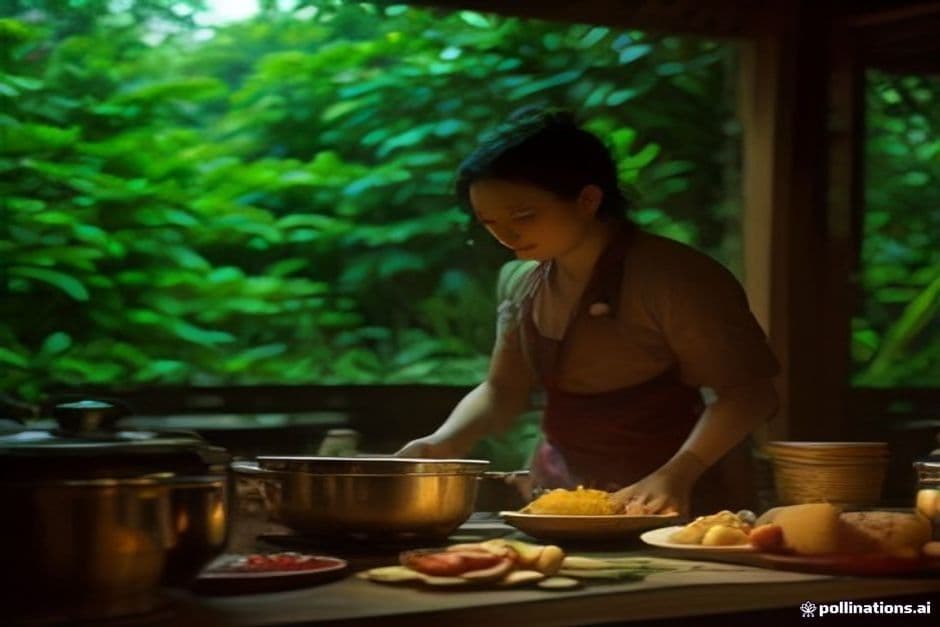
Bali's tourism sector is witnessing a significant shift as culinary experiences emerge as a key attraction for visitors. With an increasing number of travelers seeking authentic and immersive food experiences, local chefs and tour operators are capitalizing on this trend by offering unique culinary adventures that highlight the island's rich culinary heritage.
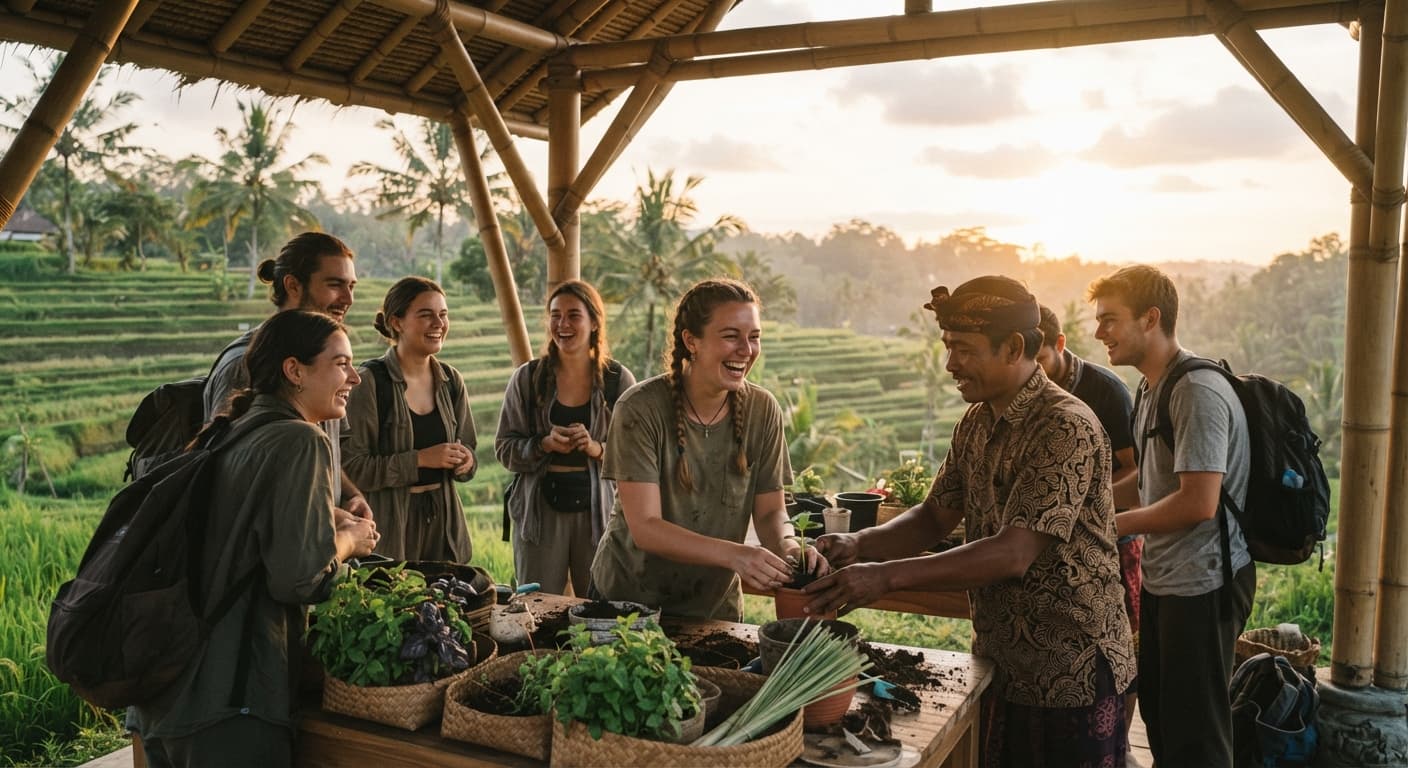
In recent months, there has been a notable rise in food tours and cooking classes across Bali, particularly in areas like Ubud and Seminyak. These experiences allow tourists to engage directly with local ingredients, traditional cooking techniques, and cultural stories behind Balinese dishes. For instance, the "Bali Cooking Class" in Ubud has gained popularity for its hands-on approach, where participants can learn to prepare iconic dishes such as Nasi Goreng and Babi Guling while visiting local markets to source fresh produce.
As culinary tourism grows, local businesses are adapting to attract food enthusiasts. Many restaurants are collaborating with local farmers to source ingredients directly from the land, promoting a farm-to-table philosophy that resonates with eco-conscious travelers. One such example is "Sustainable Bites," a restaurant in Canggu that prides itself on using organic, locally sourced ingredients, which not only supports local agriculture but also enhances the dining experience by offering fresh, flavorful meals.
The movement towards culinary tourism is also reflected in the increasing number of food festivals taking place throughout the year. The annual Ubud Food Festival, which showcases local chefs and their culinary creations, is a prime example of how Bali is positioning itself on the global culinary map. This year, the festival attracted thousands of visitors, featuring a diverse lineup of events such as cooking demonstrations, food tastings, and panel discussions, highlighting the importance of gastronomy in Bali's cultural identity.

Local chefs, such as Chef Chris Salans of Mozaic Restaurant in Ubud, emphasize the need for a deeper understanding of Balinese cuisine among visitors. “Food is a way to connect with culture. When tourists learn about the ingredients and techniques that make our cuisine unique, they gain a greater appreciation for Bali,” said Salans. This sentiment is echoed by various stakeholders in the tourism industry, who recognize the potential of culinary experiences to enhance visitor engagement.
Additionally, the rise of social media platforms has played a pivotal role in promoting Bali's culinary scene. Instagram-worthy dishes and engaging food content have attracted the attention of food bloggers and influencers, further amplifying the interest in local gastronomy. Restaurants and food tour operators are leveraging this trend by creating visually appealing dishes that entice tourists to share their experiences, ultimately driving more traffic to their establishments.
However, the growth of culinary tourism also brings challenges, particularly in terms of sustainability and cultural preservation. As the demand for authentic experiences increases, there is a risk that traditional practices may be commercialized or altered to cater to tourist expectations. Local authorities and tourism boards are encouraged to implement guidelines that ensure the integrity of Balinese cuisine is maintained while promoting its unique offerings.

In response to these challenges, initiatives are being developed to educate both tourists and local businesses about the importance of sustainability in culinary tourism. Workshops and training sessions are being organized to promote ethical sourcing practices and to highlight the significance of preserving traditional cooking methods. This collaborative effort aims to create a balance between tourism growth and cultural preservation.
Looking ahead, Bali's culinary tourism sector is set to continue expanding, with local businesses and tour operators innovating to meet the evolving preferences of travelers. As visitors seek more than just picturesque beaches, the island's rich culinary landscape offers a promising avenue for authentic experiences that celebrate Balinese culture and heritage.

Read Also from Other Categories

Jakarta's New Policies Spark Controversy Over Bali's Agricultural Future
Recent agricultural policies from Jakarta are causing a stir in Bali, raising concerns among local farmers about their livelihoods. The provincial government is pushing back against regulations perceived as detrimental to traditional practices and food security.
Investors Eye Bali's Eco-Tourism Ventures Amid Rising Global Consciousness
As eco-tourism gains traction worldwide, Bali emerges as a hotspot for investments in sustainable travel ventures. Local entrepreneurs and international investors alike are capitalizing on the island's natural beauty and cultural richness to promote environmental responsibility.

Emergency Preparedness in Bali: A Community Focus Amid Natural Threats
As climate change intensifies weather patterns, Bali's communities are stepping up emergency preparedness measures. Local authorities emphasize the importance of readiness as the island faces increased risks from natural disasters.

Innovative Water Management Strategies Address Bali's Scarcity Crisis
Bali's growing water scarcity has prompted local governments and communities to implement innovative water management strategies. These initiatives aim to balance the needs of agriculture, tourism, and the local population while preserving the island's natural resources.
Uncovering Bali's Hidden Job Market: Opportunities in Eco-Tourism and Beyond
Bali's job landscape is evolving, with eco-tourism and sustainability initiatives creating new employment opportunities. As local businesses adapt to environmental challenges, training programs are emerging to equip workers with the necessary skills.

In Ubud, the Intersection of Art and Technology Sparks New Culture
As artists in Ubud embrace digital platforms, a cultural renaissance unfolds that blends traditional Balinese artistry with modern technology. This shift is redefining not only art consumption but also local community dynamics.
Comments (0)
No comments yet. Be the first!