Artistry Meets Innovation: Bali's New Wave of Digital Cultural Experiences
Bali's tourism landscape is evolving with the integration of digital technology into cultural experiences, attracting tech-savvy travelers. This trend is reshaping how visitors interact with Balinese traditions, enhancing engagement and appreciation of local heritage.
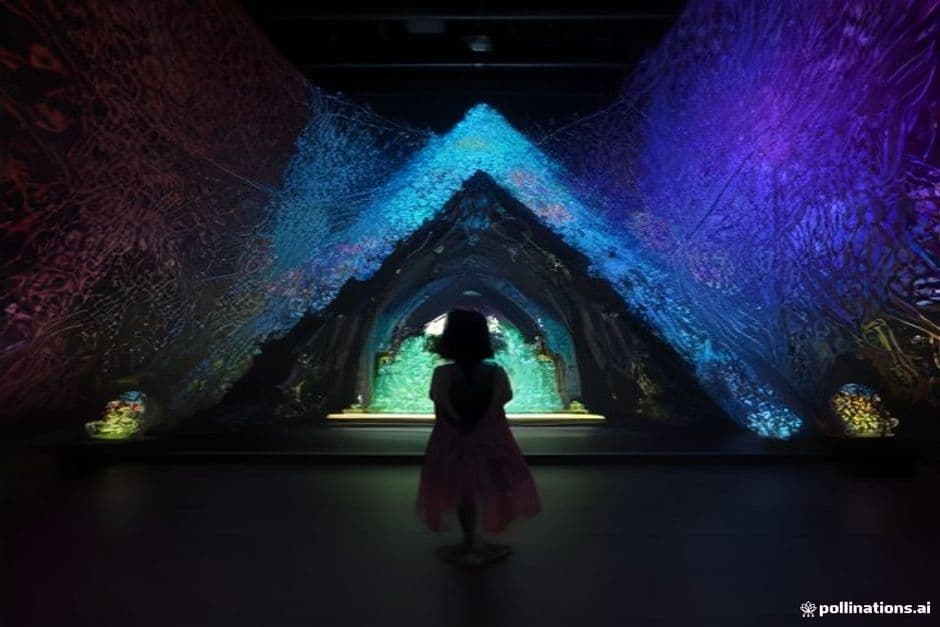
As Bali continues to cement its reputation as a premier tourist destination, a new trend is emerging that blends artistry with technological innovation. Digital cultural experiences are redefining how visitors engage with the island's rich heritage, offering immersive and interactive ways to appreciate Balinese traditions.
The integration of technology into cultural tourism has gained traction, particularly in popular areas like Ubud and Seminyak. For instance, the recent introduction of augmented reality (AR) in art exhibitions allows visitors to interact with traditional Balinese art in ways previously unimaginable. Local galleries, such as the Neka Art Museum, are pioneering these initiatives, providing visitors with an enriched understanding of the stories behind the artworks.
One of the most notable projects is the "Digital Balinese Arts" initiative, launched in collaboration with local artists and tech startups. This program aims to create a platform where traditional art forms, such as painting and sculpture, are showcased alongside digital installations. It not only enhances the visitor experience but also provides a sustainable income for local artists who can reach a global audience through online exhibitions.
According to the Bali Tourism Board, there has been a significant increase in interest among tourists for interactive cultural experiences. Data from recent surveys indicate that 67% of visitors to Bali express a desire to engage with local culture through technology. This finding has prompted a surge in investment towards digital solutions that promote Balinese heritage.
Furthermore, local festivals are also embracing digital elements. The Ubud Writers and Readers Festival, for example, has incorporated live-streaming and virtual reality experiences, allowing participants from around the world to join the cultural dialogue without being physically present in Bali. This hybrid model not only broadens the festival's reach but also enhances the inclusivity of the event.
In addition to enhancing the visitor experience, these digital initiatives are supporting the local economy. By attracting a tech-savvy demographic, businesses in Bali are diversifying their offerings and creating new revenue streams. Local hotels and restaurants are reporting an uptick in bookings from tourists interested in tech-driven cultural experiences, leading them to collaborate with artists and technologists to provide unique packages.
However, this shift towards digital cultural experiences has raised concerns among some local traditionalists. Critics argue that the essence of Balinese culture could be diluted by the over-reliance on technology. They worry that the authentic experience of traditional rituals and art forms may be overshadowed by digital enhancements.
In response, cultural leaders emphasize the importance of balancing innovation with tradition. Cokorda Gede Agung Sukawati, a representative of the Balinese Arts Council, stated, "We must embrace technology, but we should also ensure that our rich heritage is preserved and respected. Digital tools should enhance, not replace, the authentic experience of our culture."
As Bali continues to navigate this digital transformation, collaborative efforts between artists, technologists, and cultural custodians will be crucial in maintaining the integrity of Balinese traditions. The future of cultural tourism in Bali may well depend on its ability to innovate while honoring its past.
Looking ahead, the potential for growth in this sector remains significant. With increasing investment in tech-driven cultural initiatives, Bali is poised to become a leader in the integration of digital technology and cultural tourism. As more travelers seek unique and immersive experiences, the island's ability to adapt and evolve will determine its success in the competitive global tourism market.
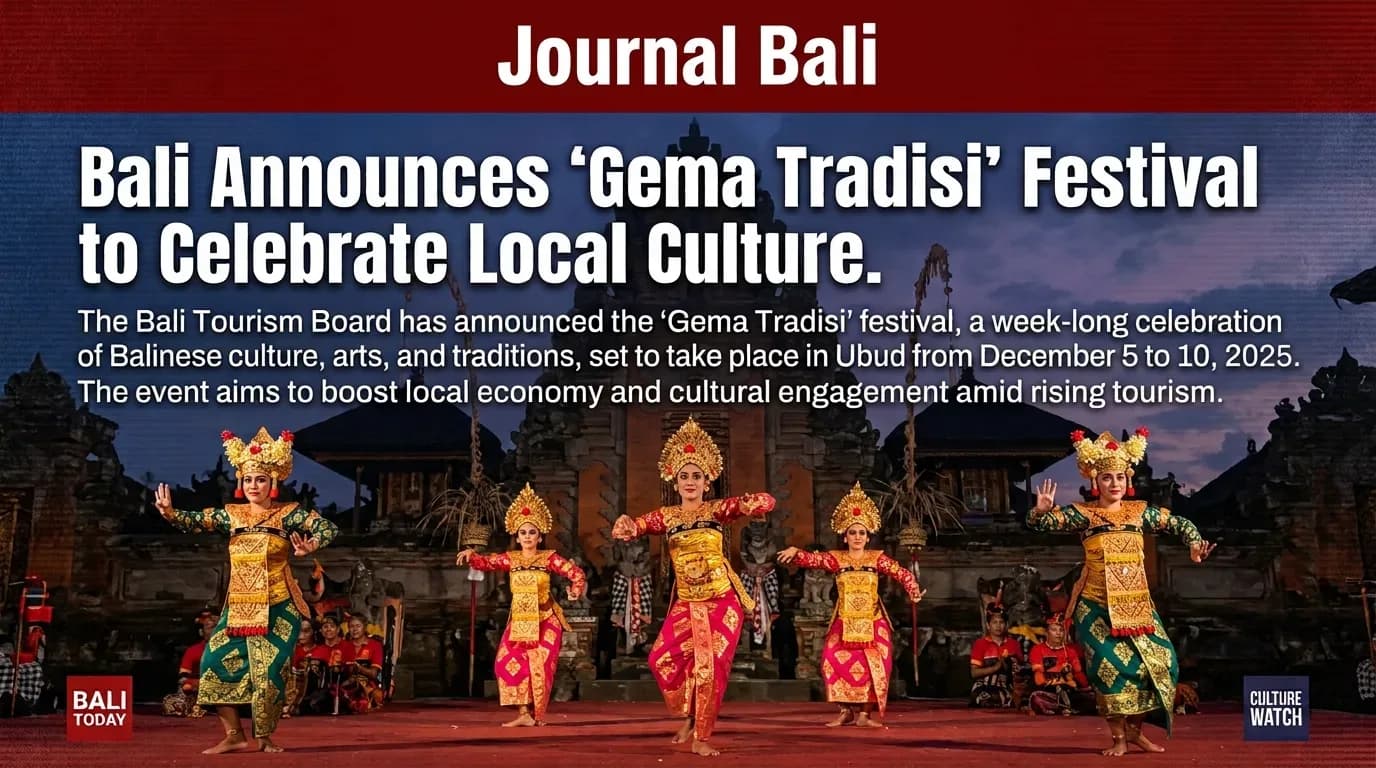

Read Also from Other Categories
Jakarta's New Policies Spark Controversy Over Bali's Agricultural Future
Recent agricultural policies from Jakarta are causing a stir in Bali, raising concerns among local farmers about their livelihoods. The provincial government is pushing back against regulations perceived as detrimental to traditional practices and food security.
Investors Eye Bali's Eco-Tourism Ventures Amid Rising Global Consciousness
As eco-tourism gains traction worldwide, Bali emerges as a hotspot for investments in sustainable travel ventures. Local entrepreneurs and international investors alike are capitalizing on the island's natural beauty and cultural richness to promote environmental responsibility.
Emergency Preparedness in Bali: A Community Focus Amid Natural Threats
As climate change intensifies weather patterns, Bali's communities are stepping up emergency preparedness measures. Local authorities emphasize the importance of readiness as the island faces increased risks from natural disasters.
Innovative Water Management Strategies Address Bali's Scarcity Crisis
Bali's growing water scarcity has prompted local governments and communities to implement innovative water management strategies. These initiatives aim to balance the needs of agriculture, tourism, and the local population while preserving the island's natural resources.
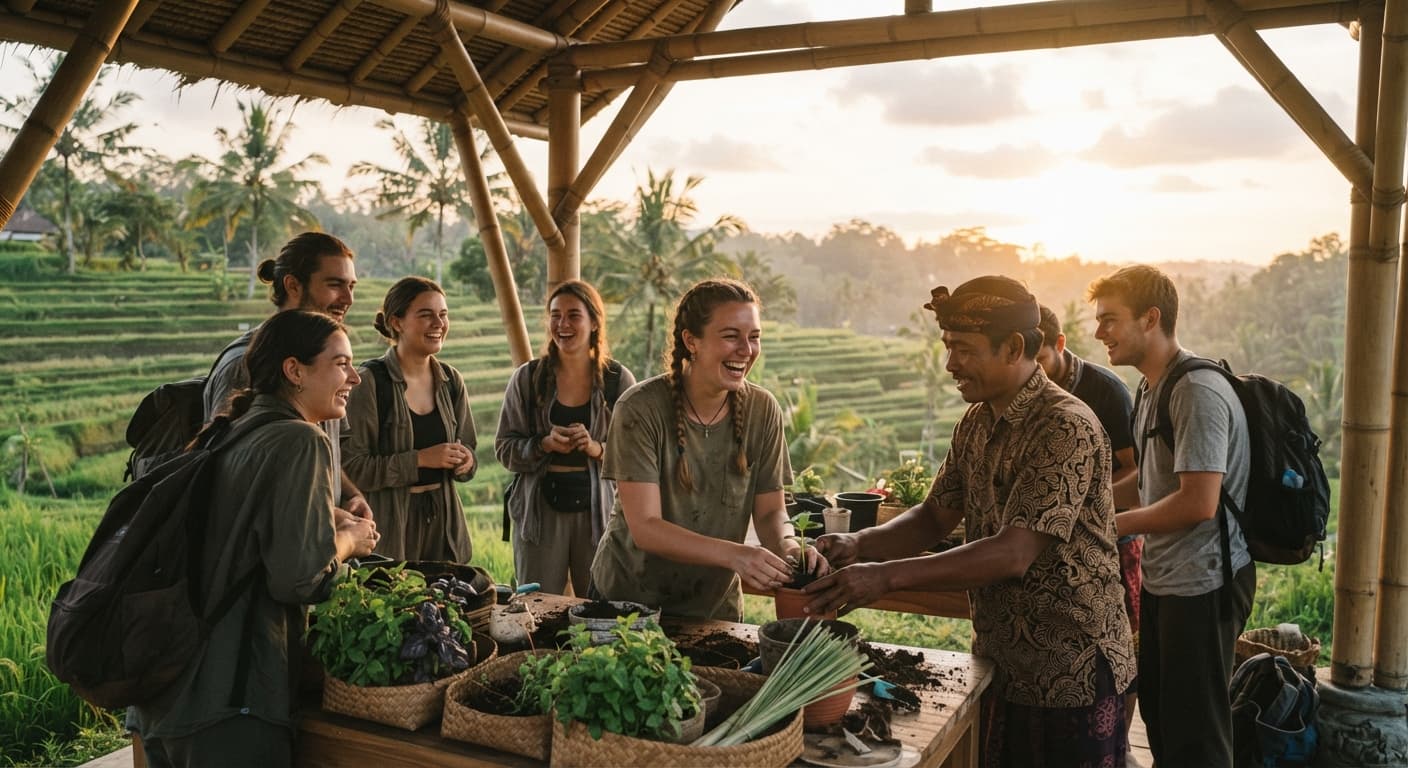
Uncovering Bali's Hidden Job Market: Opportunities in Eco-Tourism and Beyond
Bali's job landscape is evolving, with eco-tourism and sustainability initiatives creating new employment opportunities. As local businesses adapt to environmental challenges, training programs are emerging to equip workers with the necessary skills.
In Ubud, the Intersection of Art and Technology Sparks New Culture
As artists in Ubud embrace digital platforms, a cultural renaissance unfolds that blends traditional Balinese artistry with modern technology. This shift is redefining not only art consumption but also local community dynamics.
Comments (0)
No comments yet. Be the first!