Adventure Tourism Thrives in Bali's Lesser-Known Regions
Bali's adventure tourism is experiencing significant growth as travelers seek unique experiences off the beaten path. Regions like Munduk and Amed are becoming popular for eco-trekking and underwater exploration, reshaping the island's tourism landscape.

As Bali continues to attract millions of visitors each year, the island's adventure tourism sector is witnessing a notable transformation. Travelers are increasingly seeking authentic and adrenaline-pumping experiences beyond the traditional beach getaways, pushing lesser-known regions like Munduk and Amed into the spotlight.
In the northern highlands, Munduk has become a hub for eco-trekking, offering picturesque rice terraces, cascading waterfalls, and lush forests. Local guides are capitalizing on this trend by providing immersive experiences that showcase the region's natural beauty and cultural heritage. "We want visitors to connect not just with nature but with our way of life," said Made, a local trekking guide who emphasizes sustainable practices in his tours.
Simultaneously, on the east coast, Amed is establishing itself as a premier destination for underwater enthusiasts. Known for its vibrant coral reefs and rich marine biodiversity, the area is attracting divers and snorkelers eager to explore its underwater wonders. Dive operators in Amed are reporting a surge in bookings, especially among international tourists looking for a more tranquil and less commercialized experience compared to southern Bali.
According to the Bali Tourism Board, adventure tourism in these regions has seen a 30% increase over the past year, with visitors expressing a desire for more engaging and physically challenging activities. This shift aligns with global travel trends emphasizing experiential tourism over standard sightseeing.

Moreover, local businesses are adapting to meet the growing demand. In Munduk, new accommodations are emerging, ranging from eco-lodges to boutique hotels that cater specifically to adventure tourists. These establishments are designed to minimize environmental impact while providing comfort and access to nature.
Festivals celebrating adventure sports are also gaining traction. The annual Munduk Adventure Festival, for instance, showcases activities such as mountain biking, hiking, and bird watching, drawing participants from across Indonesia and beyond. The event not only promotes adventure tourism but also fosters community engagement and local pride.
In contrast to the commercialized areas of Kuta and Seminyak, Munduk and Amed offer a more authentic Balinese experience that appeals to a growing segment of travelers. This shift has sparked discussions about balancing tourism growth with environmental sustainability. Stakeholders are advocating for responsible tourism practices to ensure that the natural beauty and cultural integrity of these regions are preserved.

The emergence of adventure tourism also highlights the need for improved infrastructure. Roads leading to remote areas require upgrades to accommodate increased traffic, and local governments are encouraged to invest in sustainable transport solutions. Enhancing accessibility while safeguarding the environment is critical for sustaining growth in these less-traveled areas.
As Bali adapts to the evolving preferences of tourists, the island's tourism strategy is increasingly focused on diversifying offerings. This diversification not only helps manage visitor numbers in popular areas but also spreads economic benefits to rural communities. Local farmers, artisans, and guides in Munduk and Amed are seeing new opportunities as more visitors arrive.
In conclusion, Bali's adventure tourism sector is not just thriving; it is redefining the island's tourism narrative. By prioritizing eco-friendly practices and authentic experiences, Munduk and Amed are setting a precedent for sustainable tourism development that could serve as a model for other regions in Bali and beyond.



Read Also from Other Categories

Public Health Policy Overhaul: Bali's Bold Steps Toward Enhanced Services
Bali's provincial government is set to revamp its public health policies, aiming for a 30% increase in healthcare accessibility by 2025. This initiative, announced by Governor Wayan Koster, focuses on improving infrastructure and community health programs across the island.

Investment Landscape Shifts as Bali Attracts Tech-Focused Funds
Bali is witnessing a significant influx of investment in tech startups, reshaping its economic landscape. This trend highlights the island's growing reputation as a hub for innovation and digital solutions.

Bali Grapples with Increasing Risks of Infrastructure Failures Amid Heavy Rains
As Bali experiences a surge in heavy rainfall, infrastructure failures are becoming a pressing concern for both residents and authorities. Emergency services are mobilizing resources to address the challenges posed by deteriorating roads and flooding in key areas.
Residents Rally for Improved Sanitation in North Bali's Singaraja
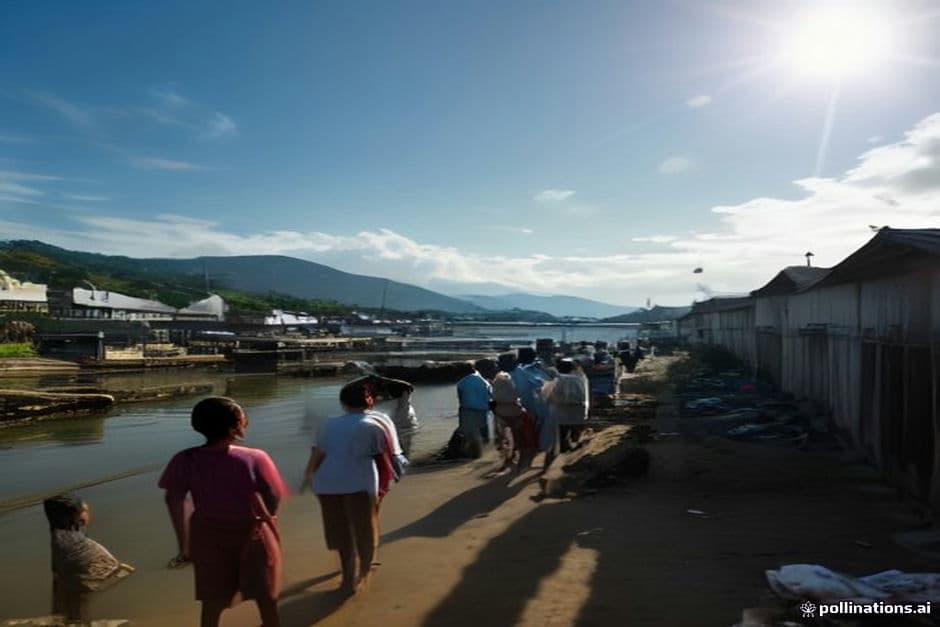
In Singaraja, local residents are banding together to address long-standing sanitation issues in their neighborhoods. This community-driven initiative aims to enhance public health and environmental conditions through collaborative efforts with local government agencies.

Emerging Career Paths: Bali's Focus on Digital Skills and Local Talent
Bali is witnessing a significant shift towards digital skills training to meet the demands of its evolving job market. Local initiatives are empowering residents, particularly youth, with the necessary tools to thrive in an increasingly competitive economy.

Cultural Clash: The Impact of Bali's Tourism Boom on Local Livelihoods
As Bali's tourism industry rebounds post-pandemic, local communities face challenges in preserving their cultural identity. This article explores the growing tension between cultural preservation and the rising demand for authentic experiences from visitors.
Comments (0)
No comments yet. Be the first!