Revitalizing Bali's Heritage: Local Government Initiatives to Preserve Temples
Bali's local government intensifies efforts to protect its cultural heritage through new initiatives aimed at revitalizing ancient temples. This strategic move not only safeguards the island's rich history but also aims to enhance community engagement and tourism.
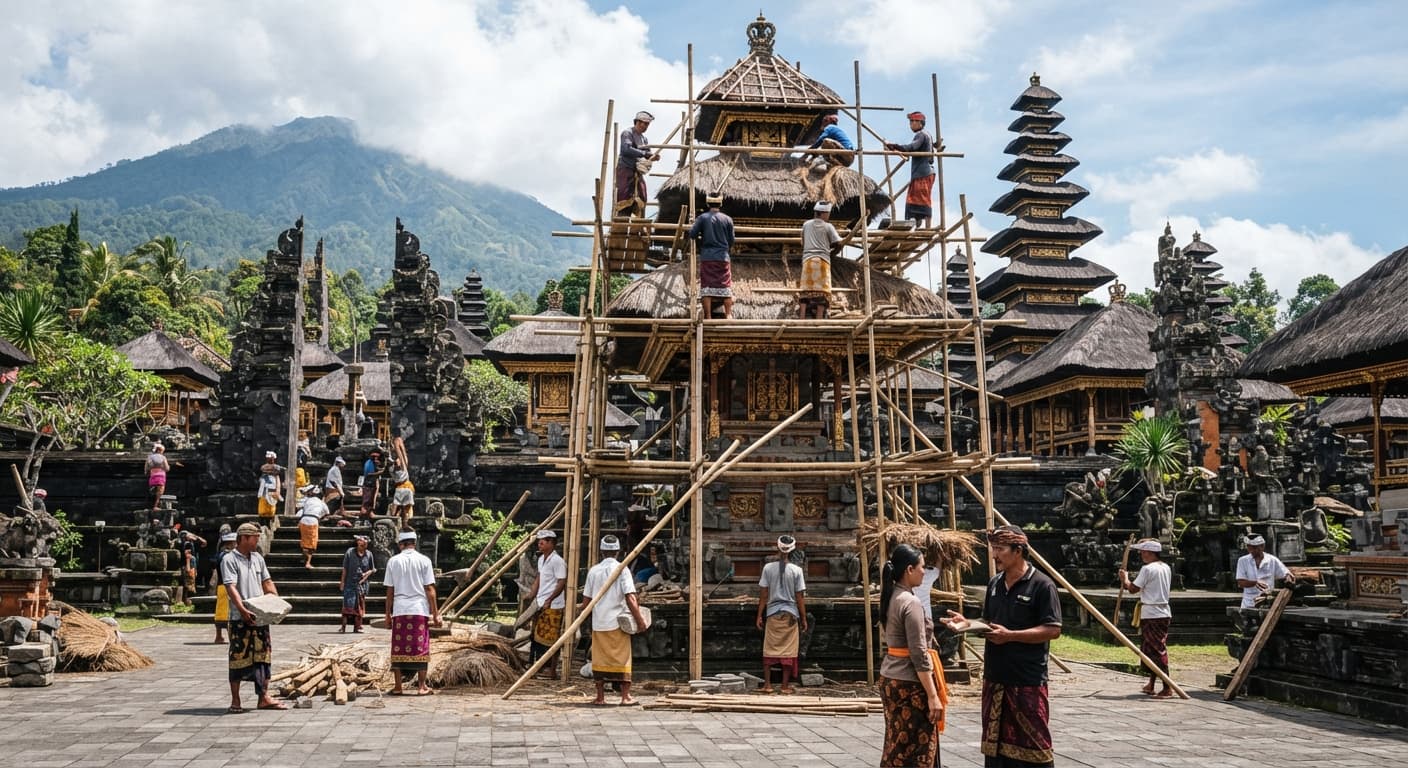
In a significant move to preserve Bali's cultural heritage, local government authorities have unveiled a series of initiatives aimed at revitalizing ancient temples across the island. The efforts, spearheaded by the Bali Cultural Office, aim to not only restore these historical sites but also to engage the community in their upkeep and promote cultural tourism.
The initiative, formally launched last week, focuses on the restoration of key temples that are central to Balinese culture and community identity. Among the temples earmarked for revitalization are Pura Besakih, the island's largest and holiest temple, and Pura Luhur Uluwatu, known for its stunning clifftop views. The restoration projects are expected to begin in early 2024, with an estimated budget of IDR 50 billion allocated for the first phase.
Governor Wayan Koster emphasized the importance of these temples in Balinese society, stating, "These sacred sites are not just historical monuments; they are living testaments to our culture and spirituality. By investing in their preservation, we are ensuring that future generations can connect with their heritage." The governor's remarks underline a growing recognition of the need to balance modernization with cultural preservation.
The revitalization plan includes not only structural repairs but also the enhancement of surrounding areas to create a more inviting atmosphere for both locals and tourists. This will involve the development of visitor centers, improved access roads, and educational programs about Balinese culture and traditions. Local artisans will be engaged in the restoration process, ensuring that traditional craftsmanship is maintained and passed down.
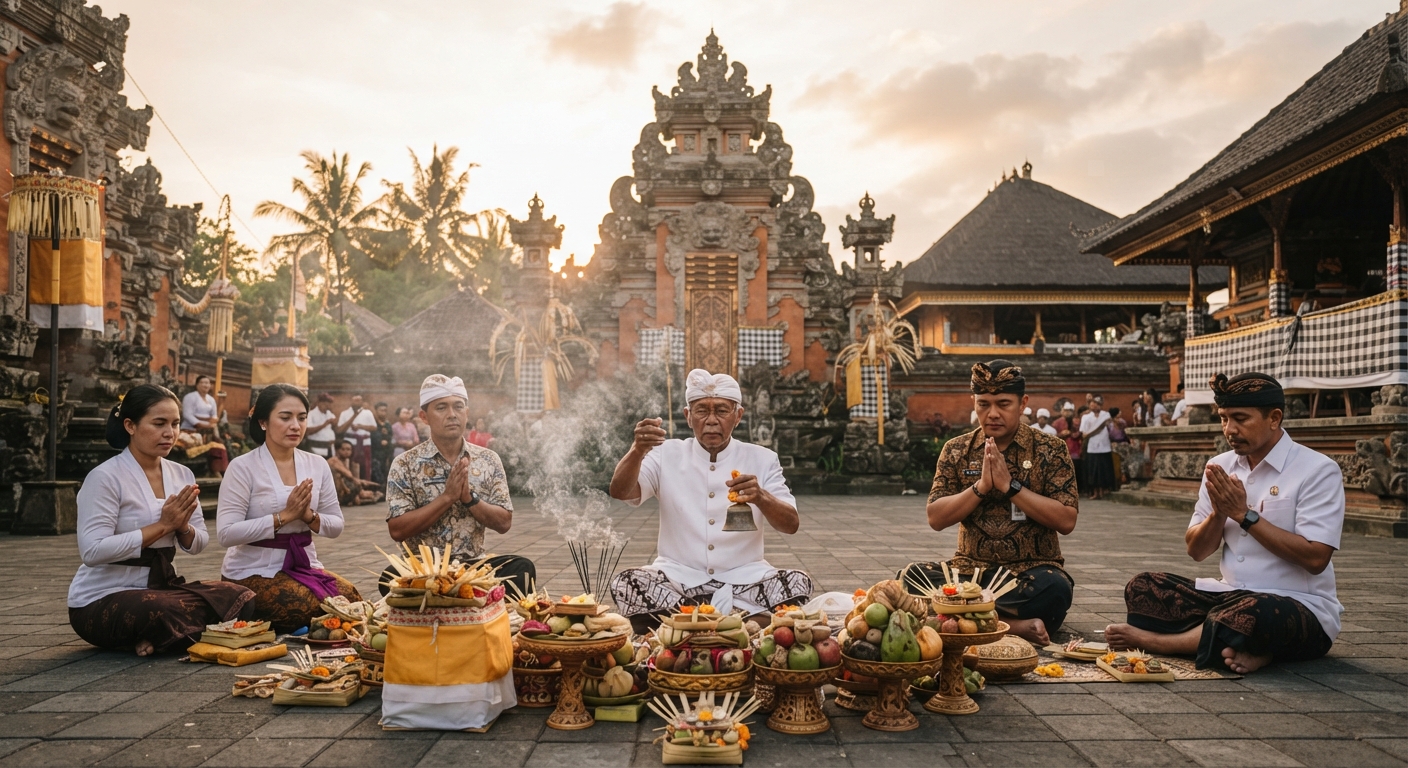
Community involvement is a cornerstone of the initiative, with local residents encouraged to participate in both the restoration activities and the management of the sites once they are completed. Workshops and training sessions will be organized to educate community members about the significance of these temples and the best practices for their maintenance.
In addition to restoring physical structures, the initiative aims to deepen cultural appreciation among younger generations. Schools in the vicinity of the temples will collaborate with the Cultural Office to integrate lessons about Balinese history and traditions into their curricula. This educational component is crucial for fostering a sense of pride and ownership in the island's cultural heritage.
Tourism stakeholders have expressed optimism about the potential impact of these initiatives. By enhancing the visitor experience at these temples, Bali aims to attract more cultural tourists who are interested in authentic experiences rather than just beaches and nightlife. The Bali Tourism Board has indicated that cultural tourism is expected to be a key growth area in the coming years, particularly as global travel patterns shift towards more sustainable and meaningful travel experiences.
The initiative has garnered support from various stakeholders, including local NGOs and cultural organizations, who have long advocated for the preservation of Bali's unique heritage. They see this as a critical step towards ensuring that Balinese culture remains vibrant and relevant in the face of rapid development and modernization.
As the first phase of the restoration projects gets underway, the local government plans to monitor the progress closely and engage with community feedback to ensure that the initiatives meet the needs and expectations of the people who live in the shadow of these historic sites. Stakeholders are hopeful that this approach will set a precedent for future cultural preservation efforts across the island.
In conclusion, Bali's new initiatives for temple revitalization represent a proactive step towards preserving the island's rich cultural heritage while simultaneously enhancing community engagement and tourism. As the projects unfold, they may well serve as a model for other regions facing similar challenges of balancing development with cultural preservation.
Read Also from Other Categories
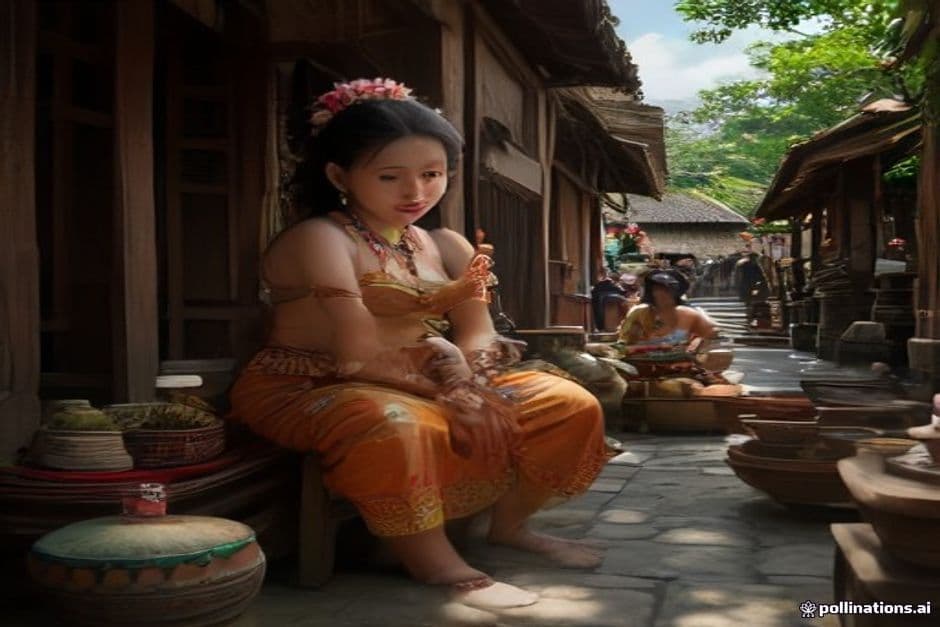
Cultural Tourism in Bali: A Shift Towards Experiential Journeys
Bali's tourism landscape is evolving as visitors seek deeper cultural connections. This trend is reshaping the offerings of local operators and hotels, fostering a more immersive travel experience.
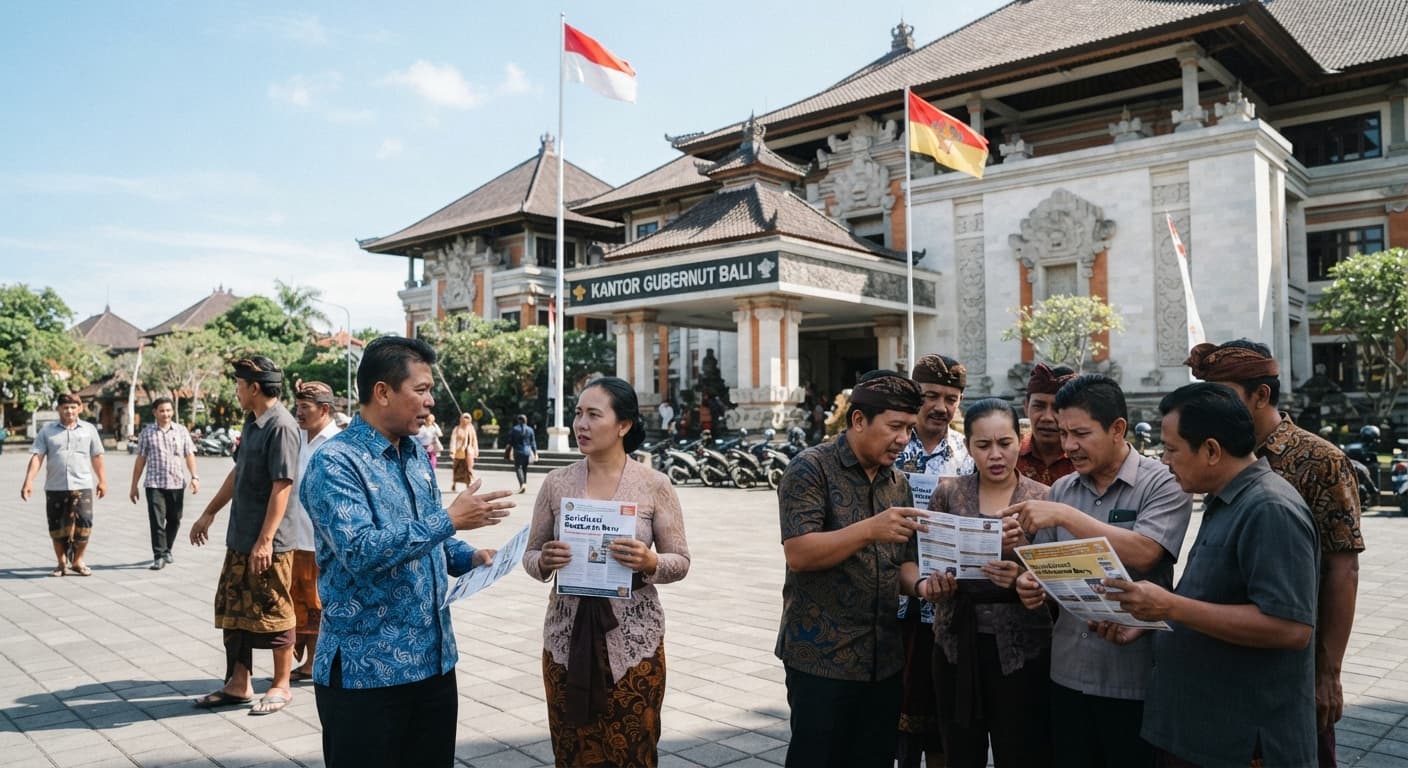
Bali's Public Services Face Scrutiny Amid New Regulatory Changes
Bali's provincial government is implementing new regulations aimed at improving public service efficiency and accountability. These changes have sparked both support and criticism from local citizens and officials.
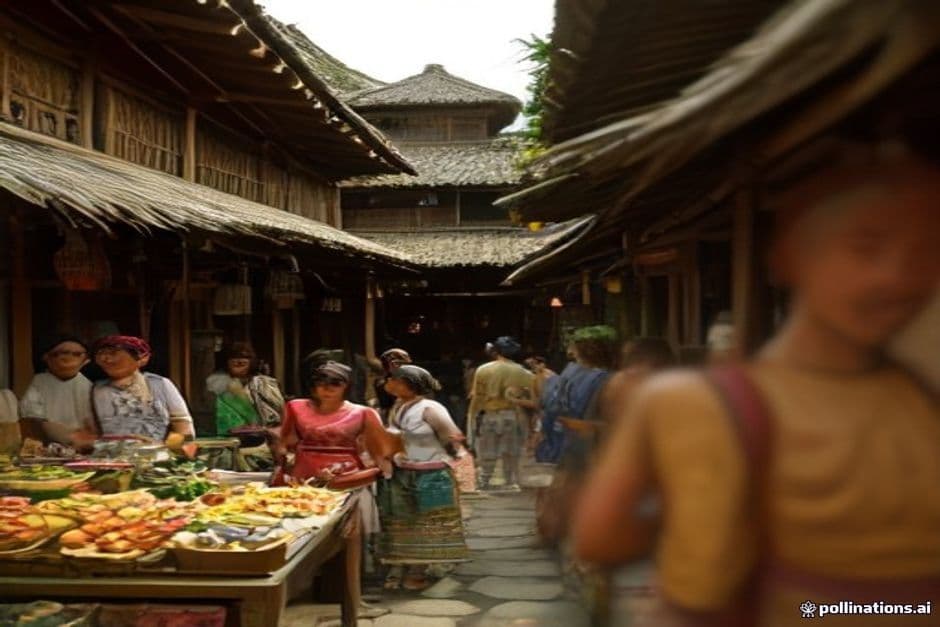
Investors Eye Bali's Eco-Tourism Ventures Amid Rising Global Consciousness
As eco-tourism gains traction worldwide, Bali emerges as a hotspot for investments in sustainable travel ventures. Local entrepreneurs and international investors alike are capitalizing on the island's natural beauty and cultural richness to promote environmental responsibility.
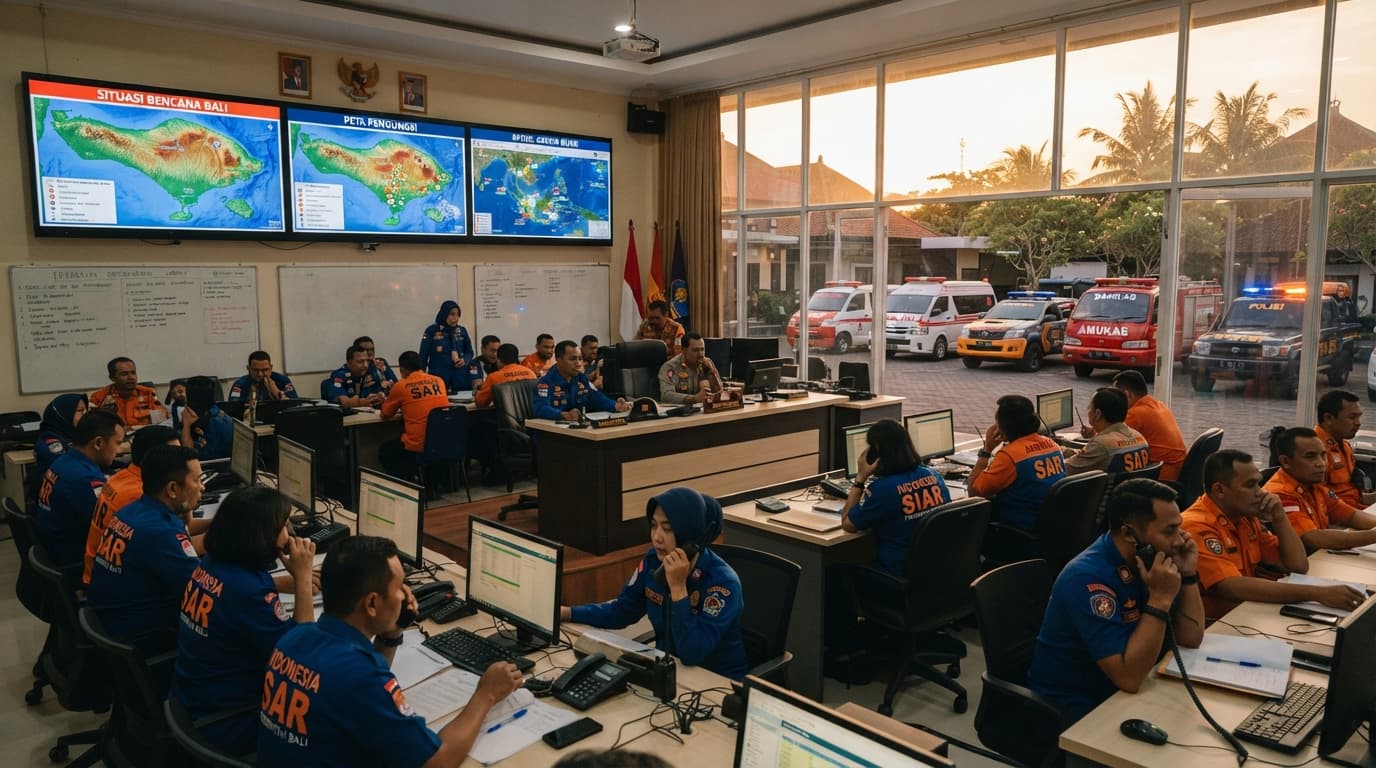
Surge in Emergency Calls Amid Increased Natural Disaster Risks in Bali
Bali's emergency services report a 30% rise in calls related to natural disasters this year. The increase highlights the urgent need for improved disaster preparedness and community awareness.
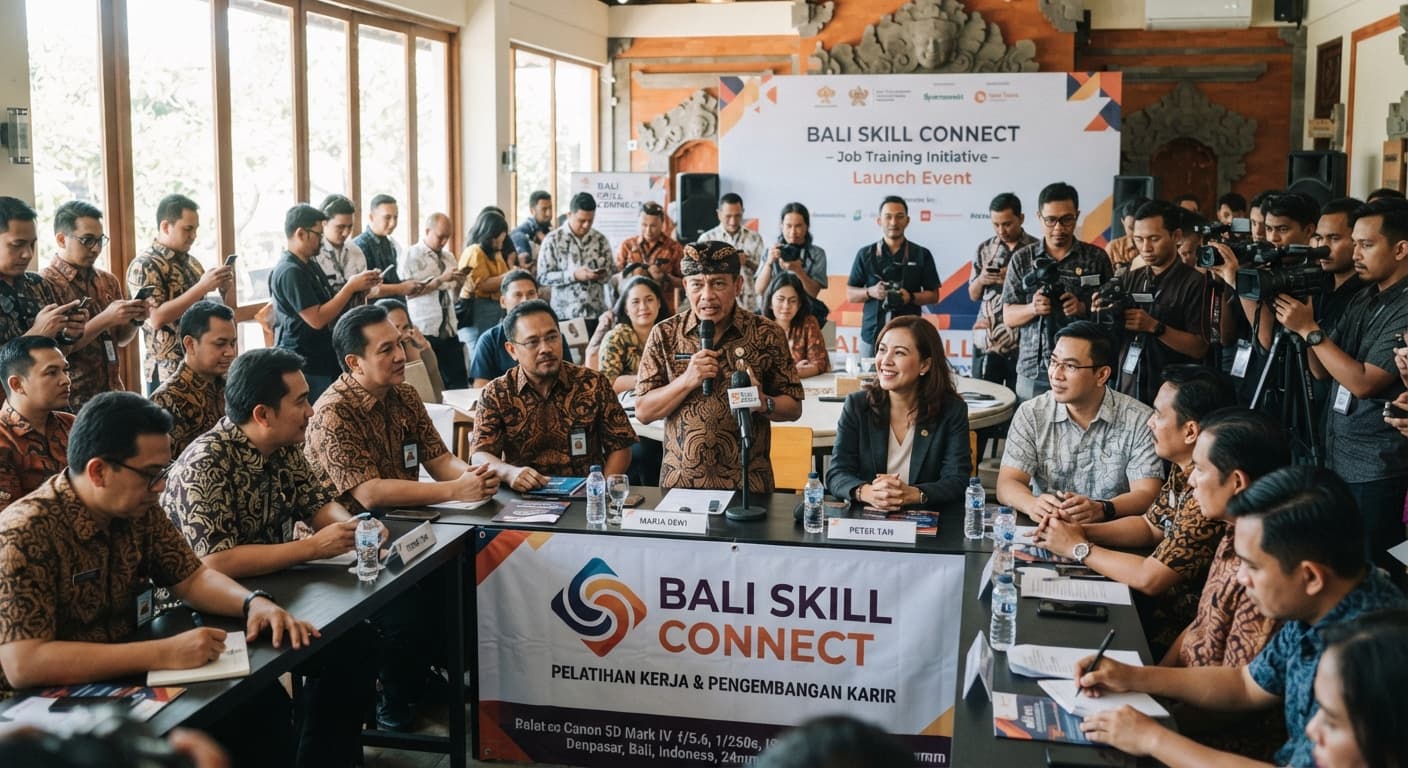
Local Businesses Collaborate to Enhance Job Training in Bali's Industries
A new initiative in Bali sees local businesses joining forces to provide comprehensive job training programs. This collaboration aims to address skill shortages and improve employment opportunities across various sectors.
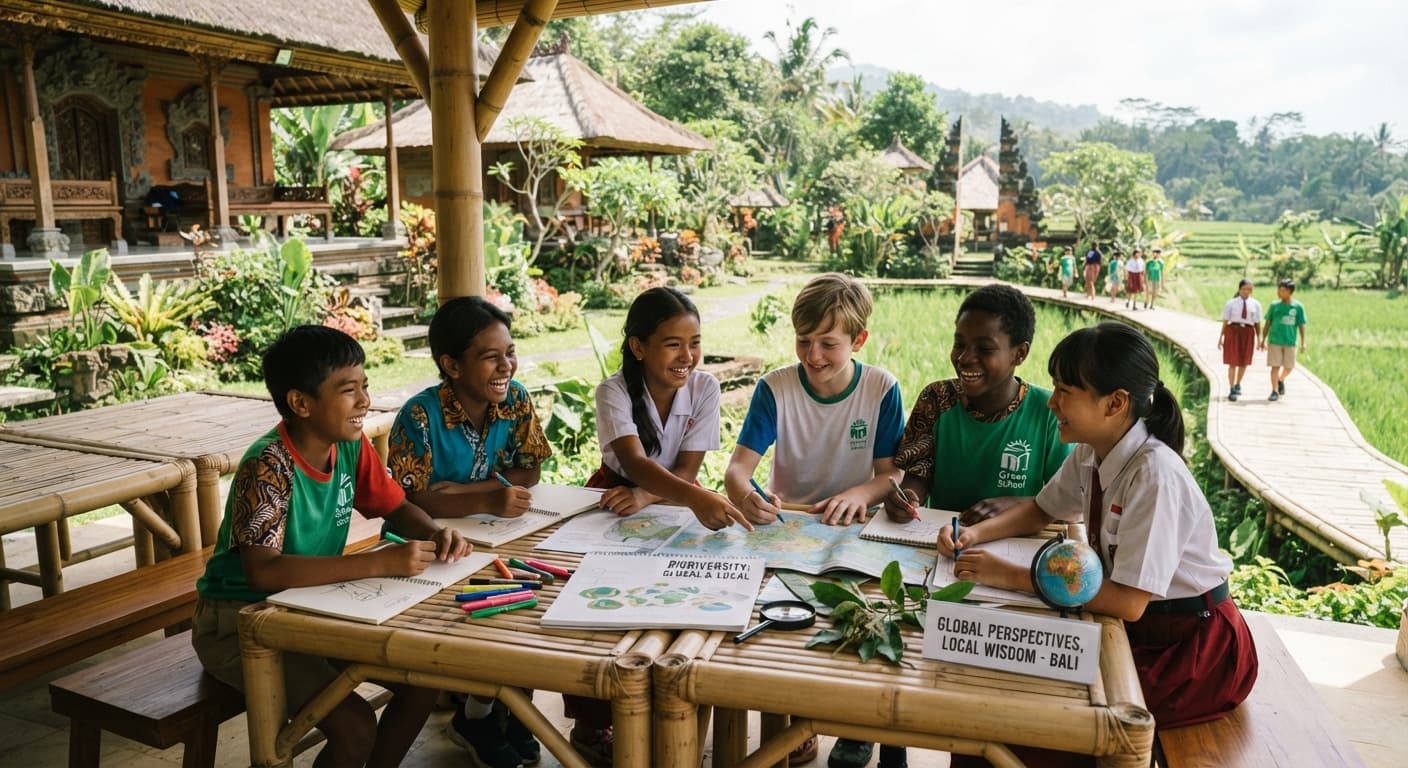
Balancing Act: Bali's Education System Faces Modern Challenges
Bali's education sector is grappling with the challenges of globalization and local cultural preservation. As international schools proliferate, the implications for traditional education are profound.
Comments (0)
No comments yet. Be the first!