Local Businesses Collaborate to Enhance Job Training in Bali's Industries
A new initiative in Bali sees local businesses joining forces to provide comprehensive job training programs. This collaboration aims to address skill shortages and improve employment opportunities across various sectors.
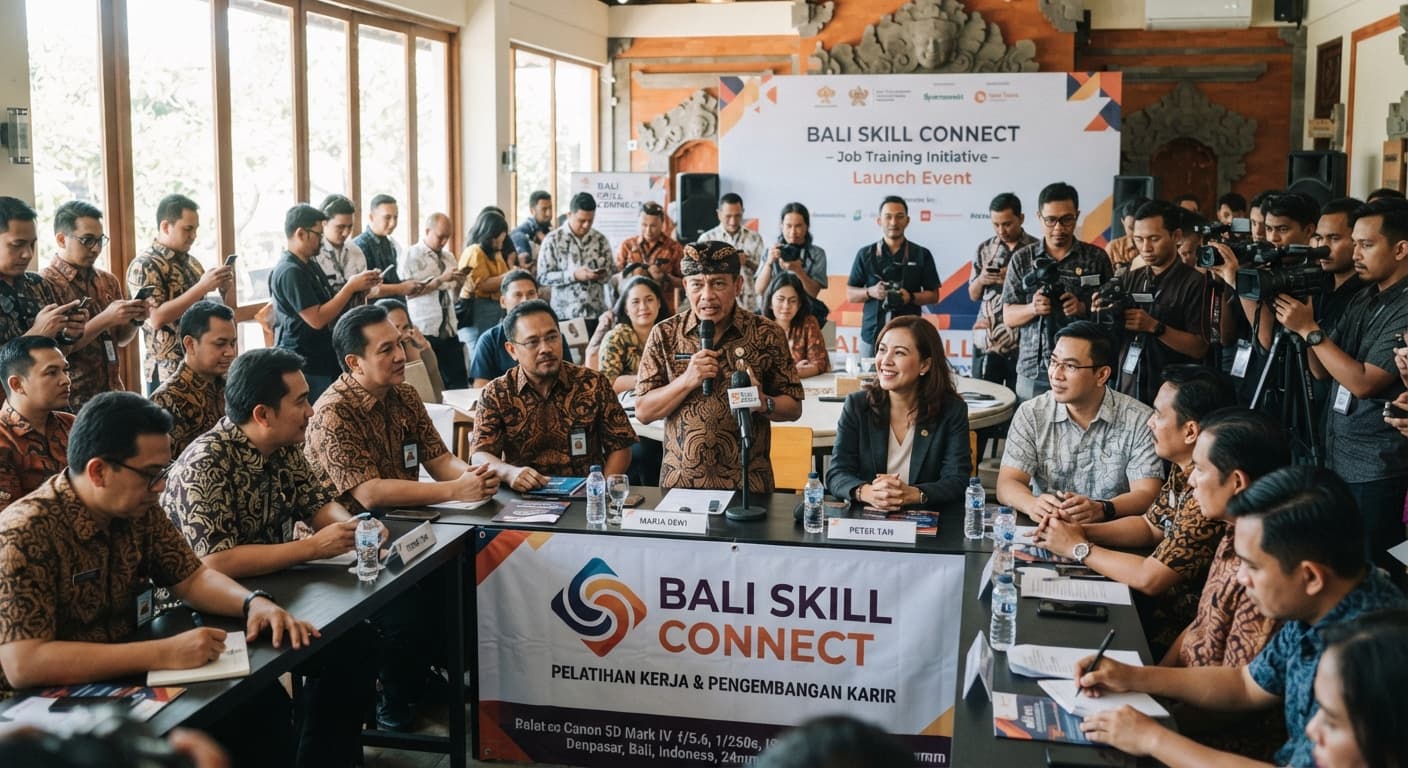
In an effort to combat high unemployment rates and address skill shortages, a coalition of local businesses in Bali has launched a comprehensive job training initiative. This program is designed to equip job seekers with essential skills relevant to the tourism, hospitality, and technology sectors, which are crucial for the island's economy.
The initiative, named "Bali Skill Connect," was unveiled on March 15, 2026, at a joint press conference held at the Bali Creative Hub in Denpasar. The event was attended by notable figures, including the Head of the Bali Employment Agency, I Made Suardika, and representatives from various local businesses. The program aims to bridge the gap between education and employment, especially for young people entering the job market.
"The collaboration among local businesses is a significant step towards creating a more skilled workforce in Bali," said Suardika. He emphasized that the initiative will provide tailored training programs that meet the specific needs of employers, thus enhancing the employability of participants.
The job training program will include workshops, internships, and mentorship opportunities, focusing on practical skills that are in high demand. Participants will have access to training in areas such as digital marketing, customer service, and hospitality management. Local businesses involved in the initiative include popular restaurants, hotels, and tech startups, all committed to supporting the local workforce.

One of the key features of Bali Skill Connect is its collaboration with educational institutions, including Udayana University and Bali State Polytechnic. These partnerships aim to align academic curricula with industry requirements, ensuring that graduates are well-prepared for the job market. The program will also offer scholarships to underprivileged students, helping them gain access to quality training.
The initiative comes at a critical time, as Bali faces challenges in its employment landscape. According to recent data from the Bali Statistics Office, the unemployment rate in the province stands at 6.5%, with young people aged 18 to 24 being the most affected demographic. By providing targeted training, Bali Skill Connect aims to reduce this figure significantly.
Local business owner and program participant, Ayu Widiastuti, who runs a boutique hotel in Seminyak, expressed her support for the initiative: "It's essential for us as business owners to invest in our community. By training our future employees, we ensure that they have the skills we need and can contribute to our success. It’s a win-win situation for everyone involved."

The Bali Skill Connect initiative is not just about job training; it also seeks to foster a sense of community among local businesses. Regular networking events will be organized to encourage collaboration and share best practices among participants, creating a robust support system for the local workforce.
As the program progresses, it will be evaluated for its impact on employment rates and participant satisfaction. The coalition of businesses involved is committed to adapting and expanding the initiative based on feedback and changing industry needs. Future plans include the introduction of online training modules to reach a broader audience, particularly those in remote areas.
Overall, Bali Skill Connect represents a proactive approach to tackling unemployment and skill gaps in Bali's job market. By harnessing the collective resources and expertise of local businesses, the initiative not only aims to improve job prospects for residents but also strengthens the island's economy as a whole.



Read Also from Other Categories

Cultural Tourism in Bali: A Shift Towards Experiential Journeys
Bali's tourism landscape is evolving as visitors seek deeper cultural connections. This trend is reshaping the offerings of local operators and hotels, fostering a more immersive travel experience.
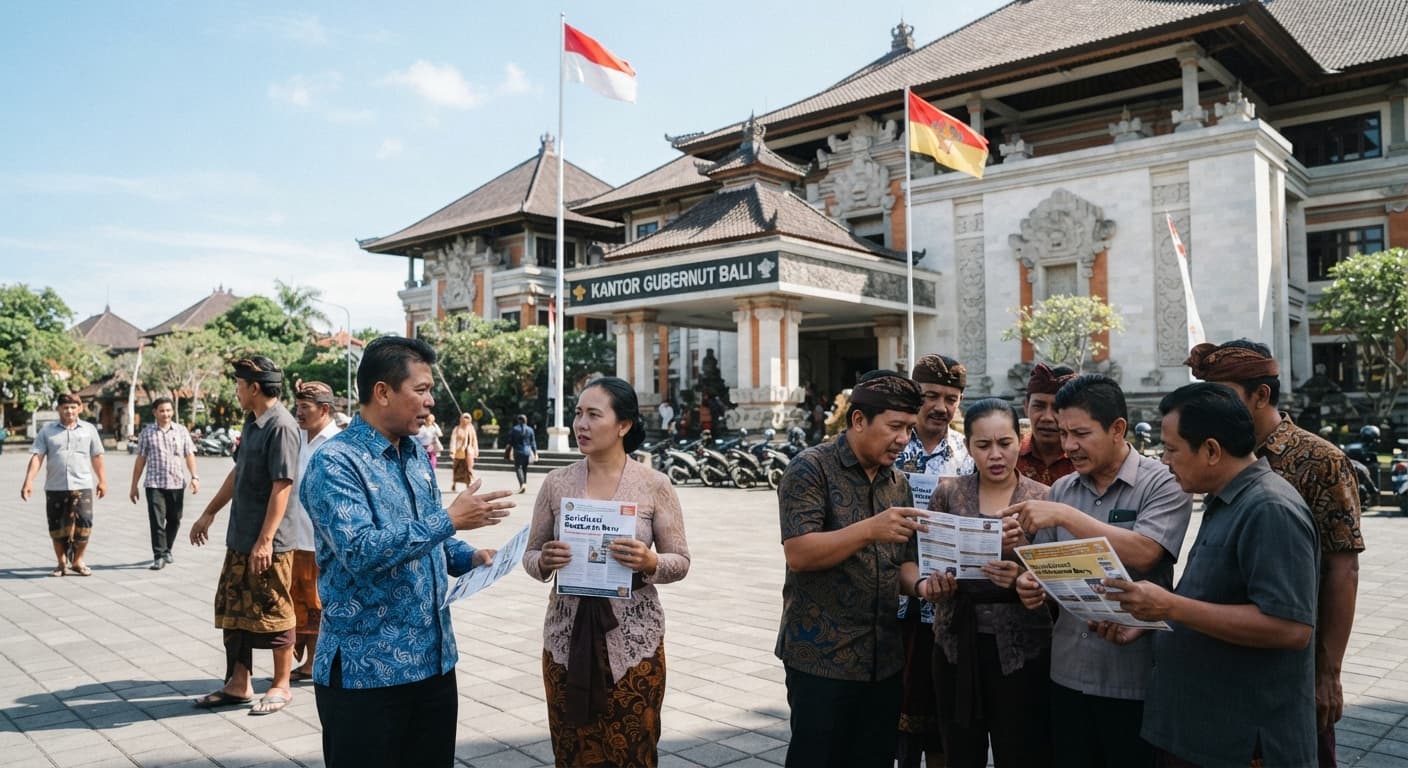
Bali's Public Services Face Scrutiny Amid New Regulatory Changes
Bali's provincial government is implementing new regulations aimed at improving public service efficiency and accountability. These changes have sparked both support and criticism from local citizens and officials.

Investors Eye Bali's Eco-Tourism Ventures Amid Rising Global Consciousness
As eco-tourism gains traction worldwide, Bali emerges as a hotspot for investments in sustainable travel ventures. Local entrepreneurs and international investors alike are capitalizing on the island's natural beauty and cultural richness to promote environmental responsibility.
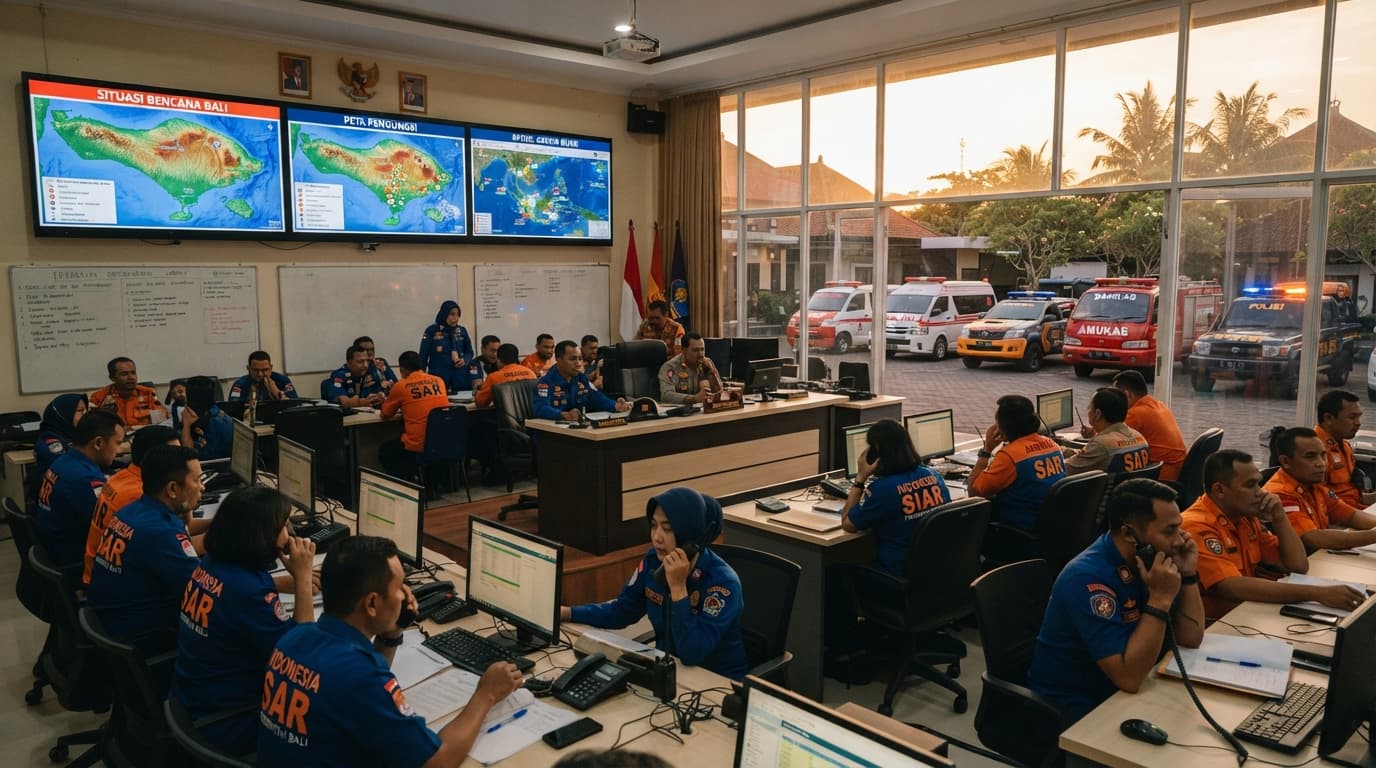
Surge in Emergency Calls Amid Increased Natural Disaster Risks in Bali
Bali's emergency services report a 30% rise in calls related to natural disasters this year. The increase highlights the urgent need for improved disaster preparedness and community awareness.

Community Recovery Efforts Strengthen Bali's Post-Pandemic Resilience
As Bali emerges from the shadows of the pandemic, local communities unite to implement recovery initiatives aimed at revitalizing the economy and preserving cultural heritage. Through grassroots efforts, residents are fostering a renewed sense of community and resilience.

Balancing Act: Bali's Education System Faces Modern Challenges
Bali's education sector is grappling with the challenges of globalization and local cultural preservation. As international schools proliferate, the implications for traditional education are profound.
Comments (0)
No comments yet. Be the first!