Event-Driven Tourism: Bali's Festivals Fuel Economic Revival
Bali's vibrant festivals are attracting millions of visitors, significantly boosting the local economy. This year, events like the Bali Arts Festival and the Ubud Food Festival are set to draw unprecedented crowds, showcasing the island's rich culture and culinary diversity.

Bali's tourism sector is experiencing a remarkable resurgence, with festival-driven tourism playing a crucial role in revitalizing the local economy. In 2025, Bali welcomed over 6.9 million international tourists, a record high that can be partly attributed to an increase in cultural and culinary festivals that have captivated both local and international audiences.
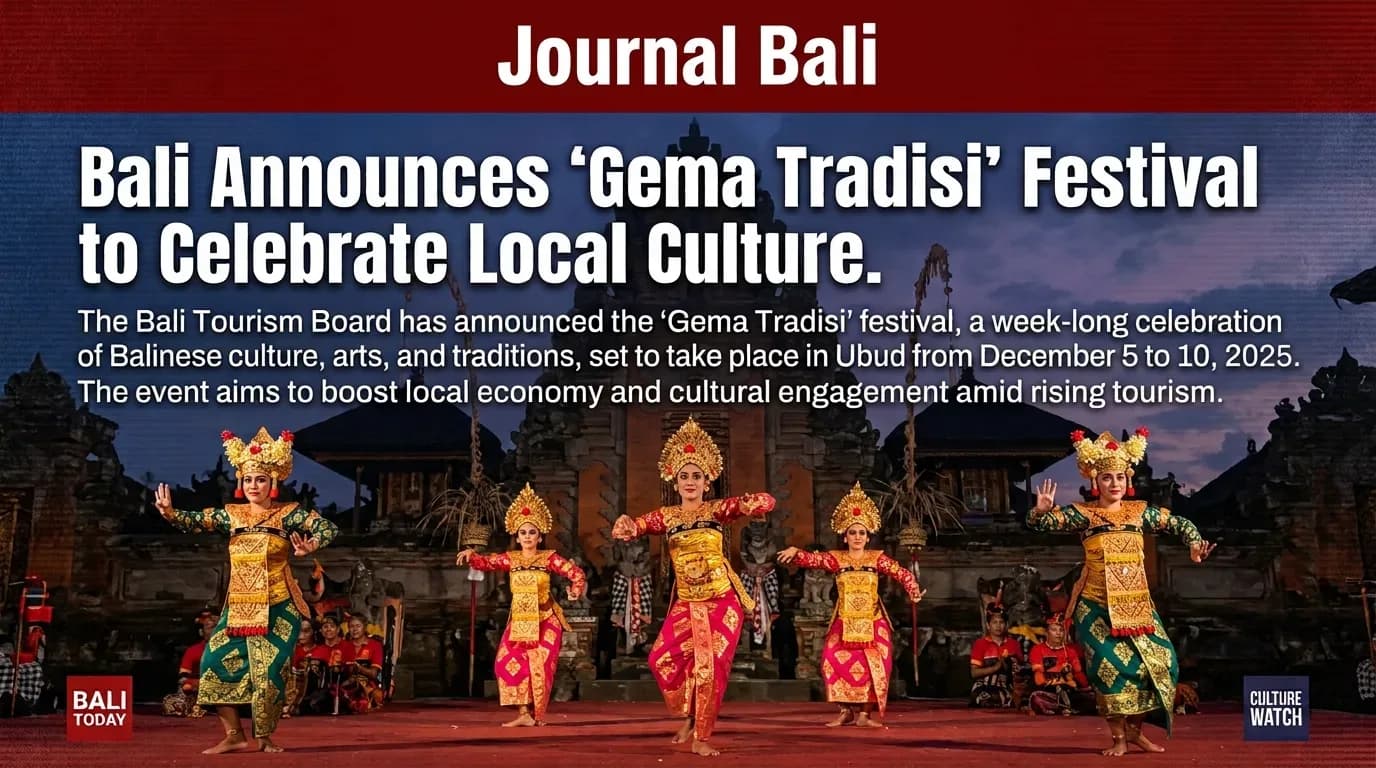
The Bali Arts Festival, running from June to July, has been a significant draw. According to the Bali Tourism Agency, the festival attracted an estimated 1 million visitors in 2025, contributing approximately IDR 1.5 trillion (around $100 million) to the local economy. This marks a 20% increase from the previous year, highlighting the growing importance of cultural events in Bali's tourism strategy.
In addition, the Ubud Food Festival, which showcases the island's culinary excellence, reported a 30% increase in attendance in 2025, welcoming over 150,000 food enthusiasts. The festival not only promotes local gastronomy but also supports local farmers and artisans, creating a ripple effect that benefits various sectors of the economy.
The impact of these festivals extends beyond immediate economic benefits. They have become a platform for cultural exchange, allowing visitors to engage with Balinese traditions and practices. This alignment with the global trend toward experiential travel has positioned Bali as a prime destination for those seeking authentic experiences.

As a result, hotels and accommodations are adapting to cater to the influx of festival-goers. The average hotel occupancy rate during festival periods reached 85%, compared to a standard rate of 70% in the off-peak season. Local hotels are offering special packages that include festival tickets and cultural experiences, further enhancing visitor engagement.
Moreover, the local government has recognized the potential of these events in driving sustainable tourism. Initiatives aimed at promoting community involvement and sustainability have been integrated into festival planning. For instance, the Bali Arts Festival emphasizes the importance of traditional crafts and local artists, ensuring that proceeds directly benefit the community.
However, the surge in tourism during festivals also presents challenges. Infrastructure strain, particularly in areas like Ubud and Seminyak, has led to increased traffic congestion and resource allocation concerns. The local government is currently exploring solutions, including improved public transport options and better traffic management strategies to ensure a seamless experience for visitors.

Looking ahead, Bali's tourism stakeholders are optimistic about the future. The Bali Tourism Board aims to leverage the success of existing festivals while introducing new events to attract diverse demographics. By 2026, they project a 10% increase in tourist arrivals, fueled by an expanding calendar of cultural and culinary festivals.
In conclusion, Bali's festivals are not just celebrations of culture but are pivotal in shaping the island's economic landscape. As the tourism sector continues to evolve, the integration of cultural events into the travel experience will remain a cornerstone of Bali's appeal, drawing visitors seeking a deeper connection with the island's rich heritage.

Read Also from Other Categories
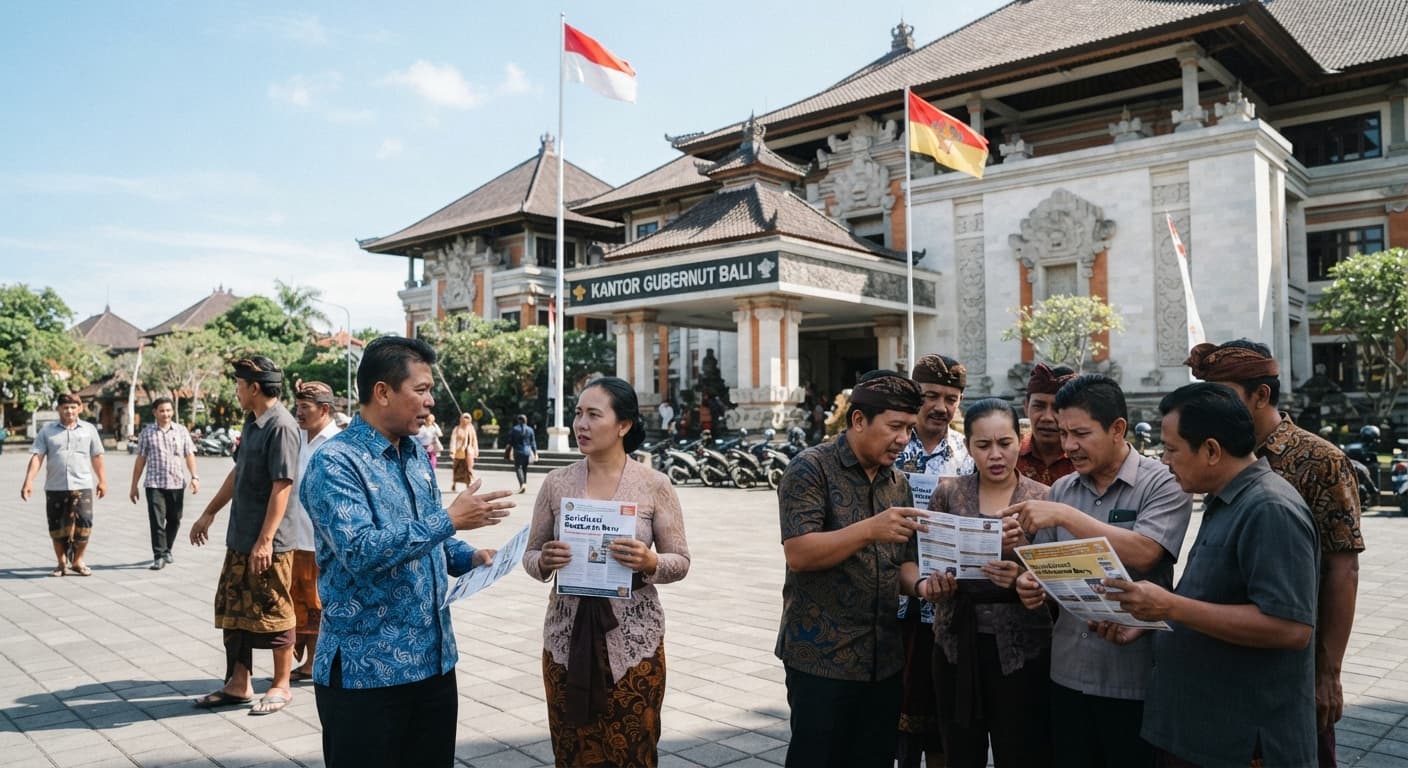
Bali's Public Services Face Scrutiny Amid New Regulatory Changes
Bali's provincial government is implementing new regulations aimed at improving public service efficiency and accountability. These changes have sparked both support and criticism from local citizens and officials.
Investors Eye Bali's Eco-Tourism Ventures Amid Rising Global Consciousness
As eco-tourism gains traction worldwide, Bali emerges as a hotspot for investments in sustainable travel ventures. Local entrepreneurs and international investors alike are capitalizing on the island's natural beauty and cultural richness to promote environmental responsibility.
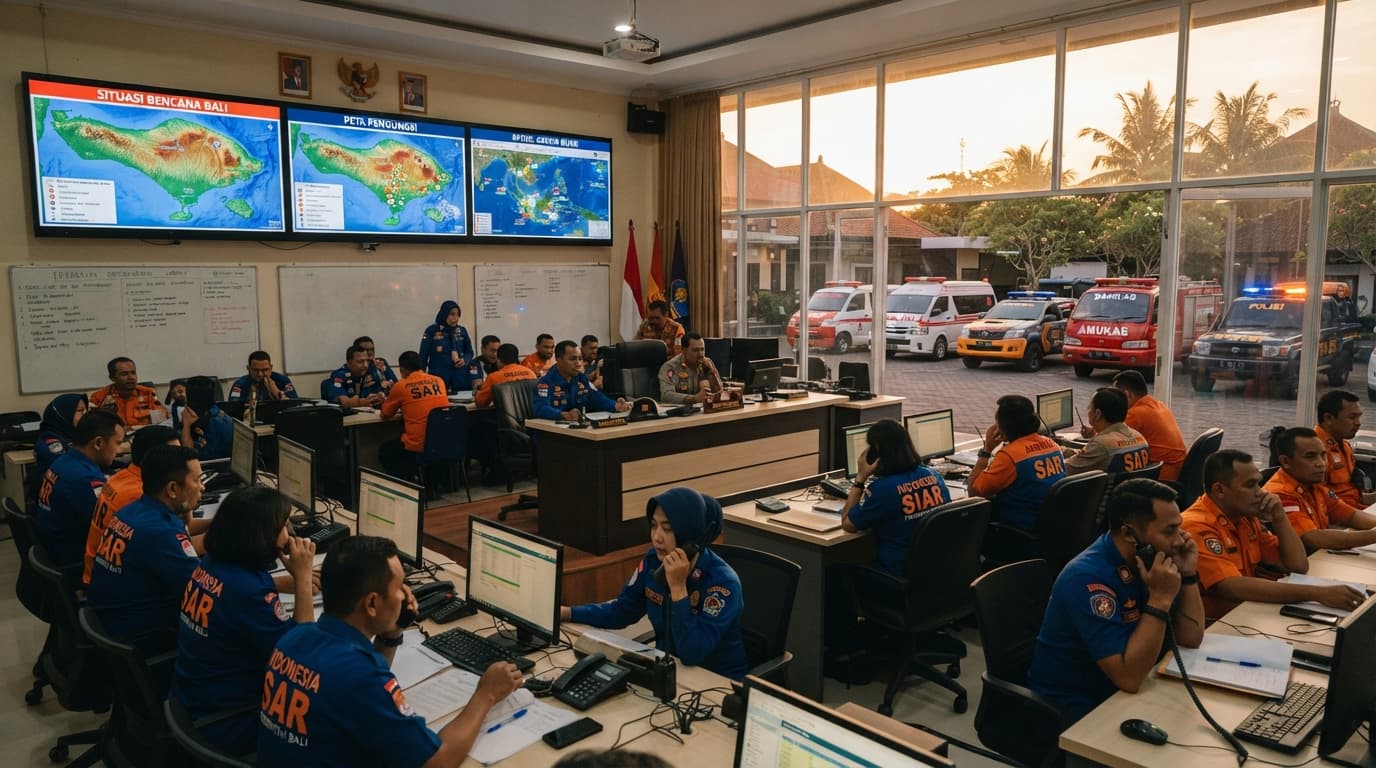
Surge in Emergency Calls Amid Increased Natural Disaster Risks in Bali
Bali's emergency services report a 30% rise in calls related to natural disasters this year. The increase highlights the urgent need for improved disaster preparedness and community awareness.
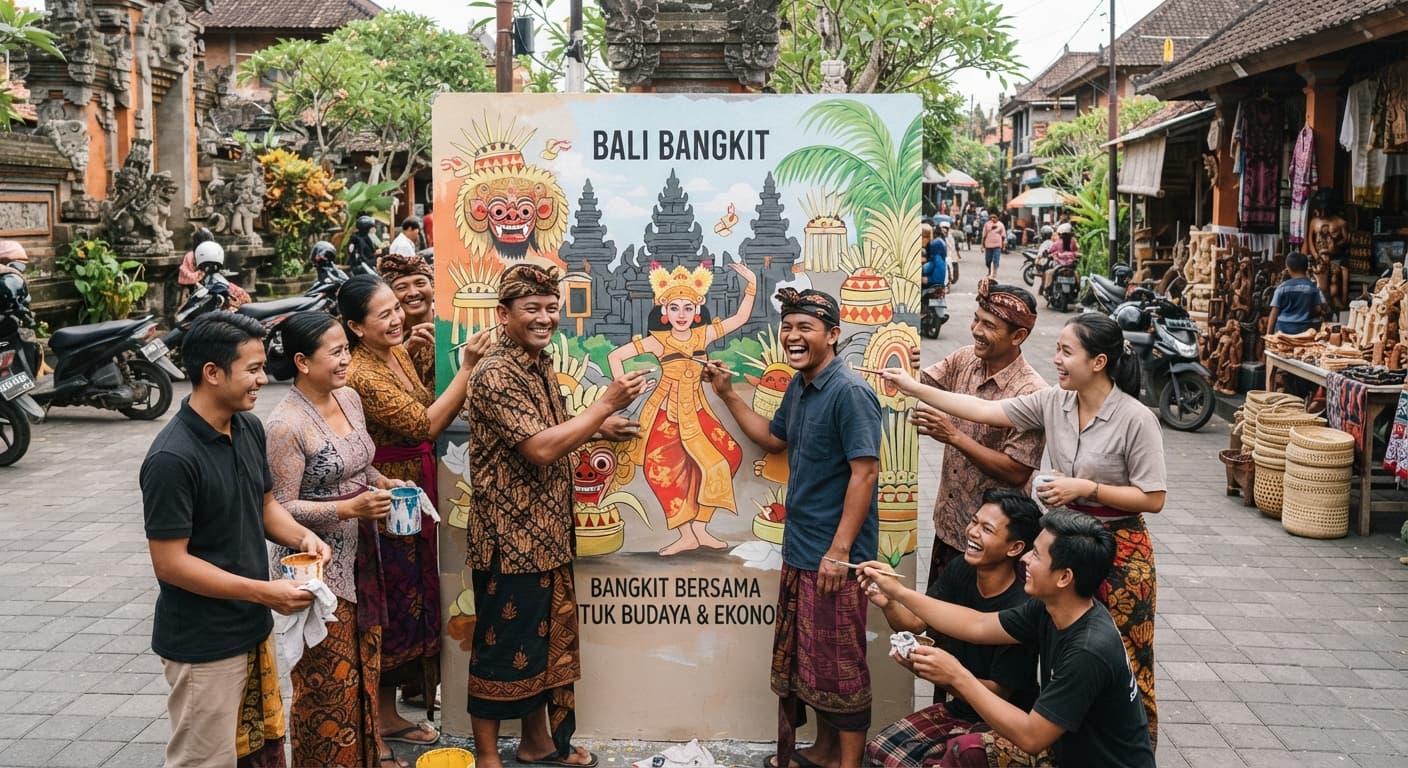
Community Recovery Efforts Strengthen Bali's Post-Pandemic Resilience
As Bali emerges from the shadows of the pandemic, local communities unite to implement recovery initiatives aimed at revitalizing the economy and preserving cultural heritage. Through grassroots efforts, residents are fostering a renewed sense of community and resilience.
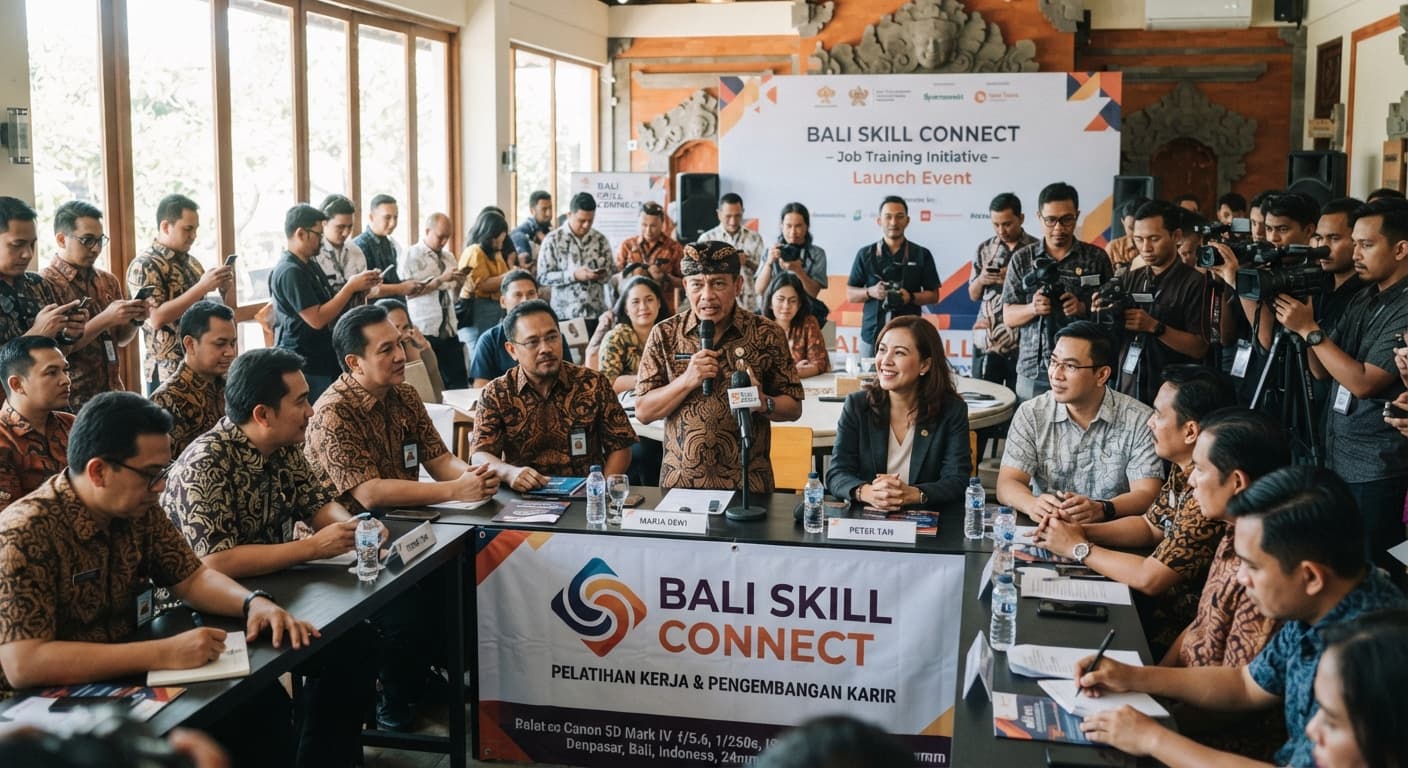
Local Businesses Collaborate to Enhance Job Training in Bali's Industries
A new initiative in Bali sees local businesses joining forces to provide comprehensive job training programs. This collaboration aims to address skill shortages and improve employment opportunities across various sectors.

Balancing Act: Bali's Education System Faces Modern Challenges
Bali's education sector is grappling with the challenges of globalization and local cultural preservation. As international schools proliferate, the implications for traditional education are profound.
Comments (0)
No comments yet. Be the first!